

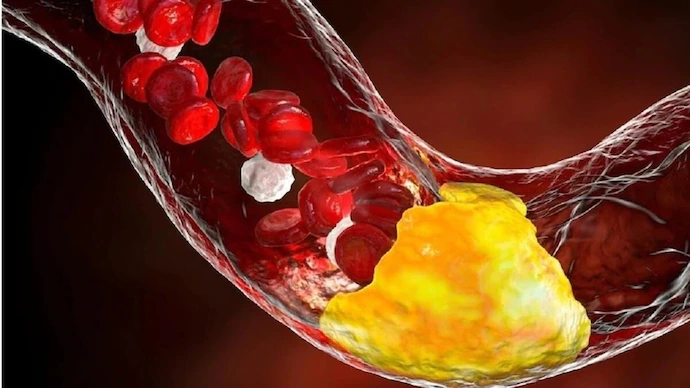
A major nationwide study has revealed that abnormal cholesterol levels are affecting a vast majority of Indian adults, with low levels of high-density lipoprotein (HDL), commonly known as “good” cholesterol, emerging as the country’s most significant lipid health challenge.
The research, conducted by the Indian Council of Medical Research (ICMR) and the Madras Diabetes Research Foundation (MDRF) under the INDIAB study series, found that 87.3% of Indian adults have dyslipidemia, a condition involving unhealthy levels of blood fats. The findings suggest that millions of people who appear otherwise healthy may still face an increased risk of heart disease.
Low HDL Emerges as the Biggest Concern
While high low-density lipoprotein (LDL), or “bad” cholesterol, has long been viewed as the primary cause of heart disease, the study paints a different picture for India.
Researchers found that 66.8% of Indian adults have low HDL cholesterol, making it the most common lipid abnormality in the country. HDL plays a vital role in removing excess cholesterol from the bloodstream and protecting blood vessels from plaque buildup.
The study noted that if low HDL is excluded from the overall calculation, the prevalence of dyslipidemia drops significantly to nearly one-third of the population. This highlights how strongly low HDL contributes to India’s overall cholesterol burden.
Millions Also Have High LDL and Total Cholesterol
The research estimates that nearly 21.3 crore people in India have high total cholesterol, while approximately 18.5 crore individuals have elevated LDL cholesterol.
However, experts say India’s unique cholesterol profile is characterised by a combination of low HDL and high triglyceride levels, rather than high LDL alone. This pattern has long been associated with an increased risk of coronary artery disease among South Asians.
Why Indians Face a Different Cholesterol Pattern
Researchers say the country’s distinctive lipid profile is linked to what is often described as the Asian Indian metabolic phenotype.
This combination of genetic factors and lifestyle habits makes many Indians more vulnerable to heart disease at younger ages. Diets rich in refined carbohydrates can increase triglyceride levels while simultaneously lowering HDL cholesterol, creating conditions that accelerate damage to blood vessels.
The study found that dyslipidemia was most common among adults aged 30 to 39 years, indicating that cardiovascular risk often develops much earlier than many people expect.
Women and Urban Residents Show Higher Rates
The survey also revealed notable differences across population groups.
Women recorded a higher prevalence of dyslipidemia, with 91.1% showing at least one abnormal lipid level, compared with 83.5% of men.
Urban areas reported a slightly higher prevalence than rural regions, although the gap has narrowed considerably. Researchers believe changing dietary habits, increased consumption of processed foods, and lower physical activity levels are contributing to rising cholesterol problems across both cities and villages.
Millions Remain Undetected
One of the study’s most important findings is that approximately 35.4 crore Indians with dyslipidemia do not have diabetes, hypertension, or obesity.
These individuals often appear healthy and may not qualify for routine cholesterol testing under current screening practices. As a result, many could remain unaware of their cardiovascular risk until they develop serious conditions such as a heart attack or stroke.
The findings suggest that relying only on traditional risk factors may leave a significant portion of the population without timely diagnosis or treatment.
Lifestyle Changes Can Improve Cholesterol Levels
Experts say many cholesterol abnormalities can be managed through healthier lifestyle choices.
Reducing the intake of refined carbohydrates and increasing protein consumption may help improve HDL levels while lowering triglycerides. Regular exercise also plays an important role in raising good cholesterol.
People with elevated LDL cholesterol may benefit from limiting saturated fats and choosing healthier cooking oils rich in unsaturated fats. Maintaining good blood sugar control is equally important, as uncontrolled diabetes can worsen lipid abnormalities.
When lifestyle changes alone are not enough, doctors may recommend cholesterol-lowering medicines such as statins to reduce long-term cardiovascular risk.
Why the Findings Matter
Cardiovascular disease remains the leading cause of death in India, and the latest findings highlight the need for broader cholesterol screening across the population.
The study suggests that heart disease prevention should not focus only on people with diabetes, obesity, or hypertension. Instead, experts believe routine lipid testing should become more accessible, especially because many Indians develop cholesterol-related risks at younger ages and lower body weights than populations in many other countries.
Early detection, healthier eating habits, regular physical activity, and timely treatment could help reduce the growing burden of heart disease in the years ahead.
Frequently Asked Questions (FAQs)
1. What is dyslipidemia?
Dyslipidemia is a condition in which blood fat levels, including cholesterol and triglycerides, are abnormal, increasing the risk of heart disease.
2. What did the ICMR study find?
The study found that 87.3% of Indian adults have dyslipidemia, with low HDL cholesterol being the most common lipid abnormality.
3. What is HDL cholesterol?
HDL, or high-density lipoprotein, is known as “good” cholesterol because it helps remove excess cholesterol from the bloodstream.
4. Why is low HDL dangerous?
Low HDL reduces the body’s ability to remove cholesterol from blood vessels, increasing the risk of heart disease and stroke.
5. How many Indians have low HDL cholesterol?
The study estimates that 66.8% of Indian adults have low HDL cholesterol.
6. Can healthy-looking people have abnormal cholesterol?
Yes. The study found that around 35.4 crore Indians with dyslipidemia do not have diabetes, hypertension, or obesity, making them easy to overlook during routine health screenings.
7. How can HDL cholesterol be improved?
Regular exercise, reducing refined carbohydrates, eating more protein, maintaining a healthy weight, and avoiding smoking can help raise HDL levels.
8. What foods help improve cholesterol?
A balanced diet that includes fruits, vegetables, whole grains, nuts, legumes, lean protein, and healthy oils while limiting refined carbohydrates and saturated fats can support healthier cholesterol levels.
9. Should everyone get a cholesterol test?
Health experts increasingly recommend broader cholesterol screening, especially for adults with a family history of heart disease or other cardiovascular risk factors, even if they appear healthy.
10. Why is this study important for India?
The findings show that abnormal cholesterol levels are widespread and often go undetected, highlighting the need for earlier screening and stronger prevention strategies to reduce the country’s growing burden of heart disease.
Leave a Reply