


- March 03, 2026
Illegal Exports to Russia: Delhi Man Sanjay Kaushik Jailed 30 Months in US Over Aviation Parts Conspiracy
Delhi businessman Sanjay Kaushik has been jailed in the US for illegally exporting restricted aviation components to Russia using false claims.
- January 19, 2026
- in International
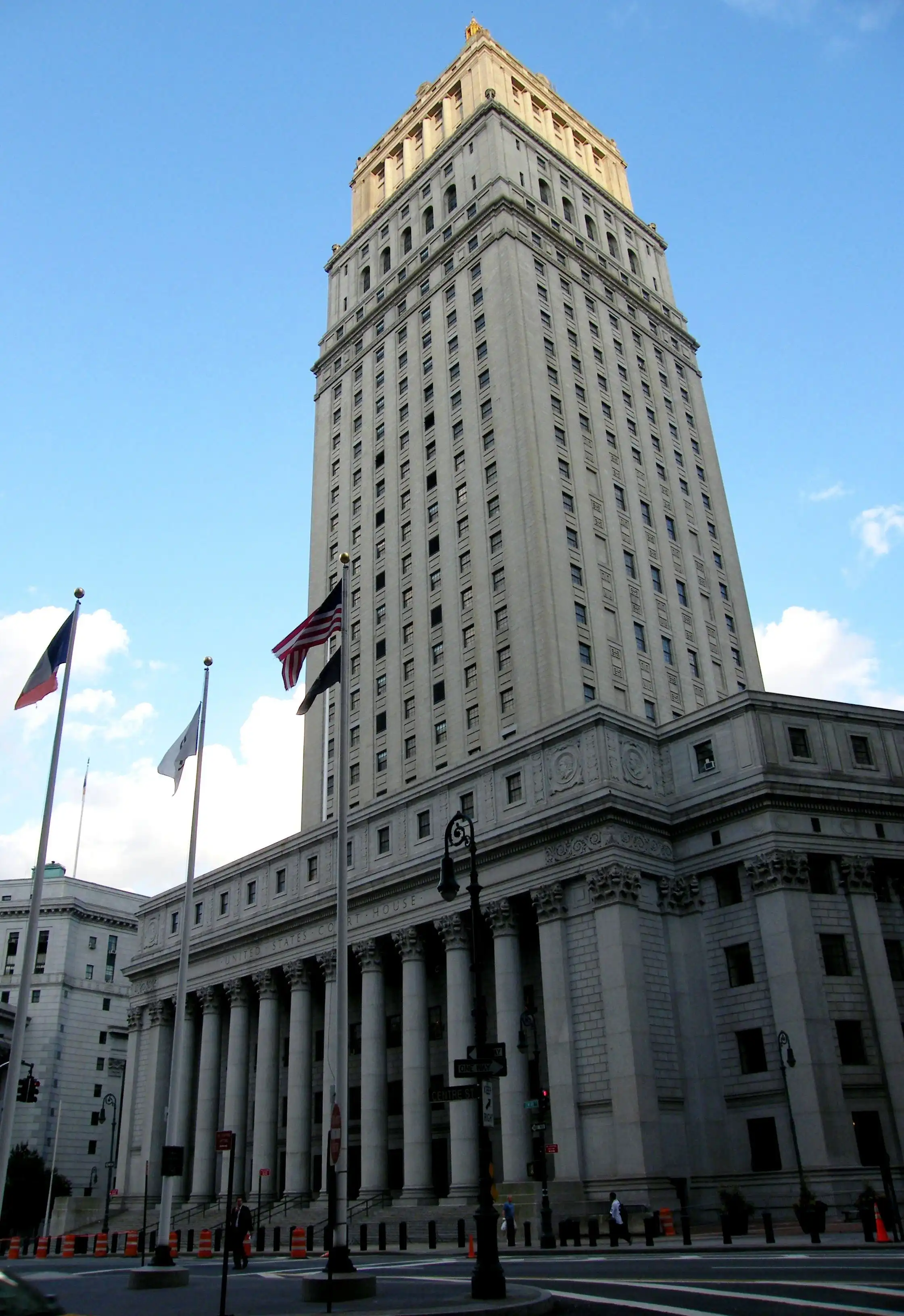
A New Delhi–based businessman has been sentenced to 30 months in a US federal prison after being convicted of conspiring to illegally export restricted aviation components to Russia, in violation of American export control laws.
The individual, Sanjay Kaushik, was found guilty of orchestrating a scheme to acquire sensitive aerospace technology from the United States under false pretences and divert it to Russian end users. Court records show that the components were purchased by claiming they would be supplied to Indian companies for civilian use, while they were ultimately routed to Russia.
US authorities said the case underscores heightened scrutiny of export controls, particularly involving technology with potential military applications. The investigation revealed that Kaushik and his associates procured regulated equipment that requires special clearance for export to certain countries, including Russia.
One transaction cited by investigators involved the purchase of an Attitude and Heading Reference System (AHRS) from a US supplier. Such systems provide critical navigation and flight control data for aircraft and are subject to strict licensing requirements. To secure the purchase, false declarations were allegedly submitted stating that Kaushik’s India-based firm was the final user and that the equipment would be deployed in a civilian helicopter.
Officials said the misrepresentation enabled the shipment of controlled technology without the necessary authorisation. Kaushik was arrested in 2024 and remained in custody during the proceedings. In late 2025, he entered a guilty plea to charges linked to unlawful exports, leading to his sentencing earlier this month. In addition to the prison term, the court imposed 36 months of supervised release following completion of the sentence. Authorities reiterated that violations of export control laws—especially those intersecting with international sanctions and national security—will attract strict penalties.
The case comes amid intensified enforcement of trade restrictions linked to Russia, as Western governments seek to prevent sanctioned entities from accessing sensitive technology through indirect supply routes.
you may also like

- March 02, 2026
Trump Says Iran Operations May Last 4–5 Weeks

- March 02, 2026
How Switzerland Became the World’s Most Nuclear-Ready Nation

- March 02, 2026
Middle East War Escalates; Oil, Air Travel Hit

- March 02, 2026