

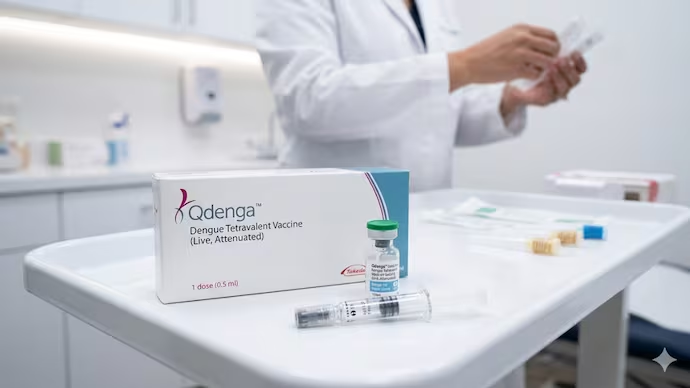
India has approved QDENGA (TAK-003) as the country’s first dengue vaccine, marking a major milestone in the fight against one of the nation’s most widespread mosquito-borne diseases.
The vaccine offers protection against all four dengue virus serotypes and, unlike some earlier dengue vaccines, does not require a blood test to determine whether a person has previously been infected before vaccination.
Health experts say the approval is a significant breakthrough, but the vaccine is intended only for eligible groups and should complement—not replace—existing mosquito prevention measures.
Who Is Eligible for the Dengue Vaccine?
QDENGA has been approved for people between 4 and 60 years of age.
Eligible individuals include:
- Children aged 4 years and above
- Teenagers
- Adults up to 60 years
- People living in dengue-prone regions
The vaccine is expected to benefit millions of Indians who face recurring dengue outbreaks, particularly during the monsoon season.
No Blood Test Required Before Vaccination
One of QDENGA’s biggest advantages is that recipients do not need to undergo testing for previous dengue infection before receiving the vaccine.
Earlier dengue vaccines in some countries required prior infection status to be confirmed because of varying safety considerations. QDENGA simplifies the vaccination process by removing that requirement.
How Many Doses Are Needed?
The vaccination schedule consists of two doses:
- First dose: On the scheduled vaccination date
- Second dose: Three months after the first dose
Doctors recommend completing both doses to achieve optimal protection against dengue.
Does QDENGA Protect Against All Types of Dengue?
Yes.
Dengue is caused by four different virus serotypes, and infection with one type does not provide lifelong protection against the others.
QDENGA has been developed to provide protection against all four dengue virus serotypes, helping reduce the risk of severe dengue infection.
Who Should Avoid the Vaccine?
Although approved for widespread use, QDENGA is not suitable for everyone.
People who should avoid or consult a doctor before vaccination include:
- Individuals with a severe allergy to any component of the vaccine
- Pregnant women
- Breastfeeding mothers
- People with severely weakened immune systems
- Those taking immunosuppressive medications
Healthcare providers will determine suitability based on an individual’s medical history and current health condition.
When Will the Vaccine Be Available in India?
While regulatory approval has been granted, the vaccine will not be available nationwide immediately.
Its rollout will depend on:
- Commercial launch timelines
- Distribution through hospitals and vaccination centres
- Recommendations issued by national health authorities
Availability is expected to expand gradually over the coming months, with access likely to vary across states and cities during the initial phase.
Mosquito Protection Is Still Essential
Doctors emphasise that vaccination should be viewed as an additional layer of protection rather than a substitute for mosquito control.
People should continue to:
- Eliminate stagnant water around homes
- Use mosquito repellents
- Wear full-sleeved clothing
- Install window screens where possible
- Seek medical care promptly if symptoms such as high fever, severe headache, pain behind the eyes, joint pain or bleeding develop
These precautions remain critical in preventing dengue transmission.
A New Chapter in India’s Fight Against Dengue
The approval of QDENGA represents an important advance in India’s public health strategy against dengue. By offering protection against all four virus strains without requiring prior testing, the vaccine could make prevention more accessible for eligible children and adults.
Experts, however, stress that vaccination should work alongside mosquito control, public awareness and early diagnosis to effectively reduce the country’s dengue burden.
FAQ
What is QDENGA?
QDENGA (TAK-003) is India’s first approved dengue vaccine. It is designed to protect against all four dengue virus serotypes.
Who can receive the dengue vaccine in India?
The vaccine is approved for individuals aged 4 to 60 years, subject to medical eligibility.
How many doses of QDENGA are required?
QDENGA is administered in two doses, with the second dose given three months after the first.
Is a blood test required before getting the dengue vaccine?
No. Unlike some earlier dengue vaccines, QDENGA does not require prior blood testing to determine previous dengue infection.
When will the dengue vaccine become available?
The vaccine is expected to be introduced in phases over the coming months, depending on commercial rollout, distribution and public health recommendations.
Can vaccinated people stop taking mosquito precautions?
No. Vaccination is an additional protective measure. People should continue using mosquito control practices such as repellents, eliminating stagnant water and seeking early medical care if symptoms develop.
Leave a Reply