

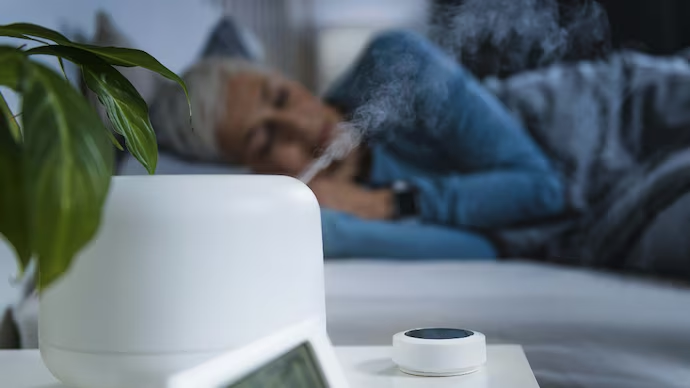
Getting a good night’s sleep is becoming increasingly difficult for many Indians, and the struggle is creating a fast-growing market for sleep-related healthcare products and services. From specialised sleep clinics and medical devices to supplements, smart gadgets, and luxury mattresses, more people are spending significant amounts of money in search of better rest.
Health experts, however, say that while medical treatment is essential for diagnosed sleep disorders, many expensive products offer limited benefits compared to simple lifestyle changes that support healthy sleep.
India Faces a Growing Sleep Problem
Sleep deprivation has emerged as a major public health challenge in India. A large number of people report sleeping for less than six uninterrupted hours each night, with stress, demanding work schedules, obesity, anxiety, environmental noise, and unhealthy daily routines among the leading reasons.
Experts also point to rising night-time temperatures as an additional factor affecting sleep quality. Warmer nights can make it harder to fall asleep and stay asleep, adding to an already widespread sleep deficit.
Poor sleep is no longer viewed as a minor inconvenience. Long-term sleep deprivation has been linked to several health conditions, including obesity, diabetes, high blood pressure, heart disease, weakened immunity, depression, and reduced cognitive performance.
The Business of Better Sleep Is Expanding
As awareness about sleep disorders grows, so does demand for professional treatment and sleep-enhancing products.
Hospitals in major Indian cities have expanded sleep medicine services, making diagnostic sleep studies and specialist consultations more accessible. Doctors are increasingly recommending evidence-based treatments such as Cognitive Behavioural Therapy for Insomnia (CBT-I), Continuous Positive Airway Pressure (CPAP) therapy for obstructive sleep apnea, melatonin in appropriate cases, and newer prescription medications where necessary.
The country’s sleep-aid industry has also grown rapidly, supported by increasing health awareness, rising obesity rates, and an ageing population.
Consumers Are Spending More on Sleep Products
Many people are investing in products designed to improve sleep quality.
CPAP machines, commonly prescribed for obstructive sleep apnea, can cost anywhere from ₹35,000 to more than ₹1 lakh, depending on the model and features. Additional accessories and replacement masks further increase long-term costs.
The market has also seen growing demand for:
- Melatonin supplements
- Magnesium glycinate
- Herbal sleep teas
- Weighted blankets
- Smart mattresses
- Sleep tracking devices
- Wearable health monitors
- Smart pillows
While these products continue to gain popularity, experts caution that not all of them have strong scientific evidence supporting their effectiveness.
Doctors Say Sleep Is Now Viewed as Essential Healthcare
Medical professionals say attitudes toward sleep have changed significantly in recent years.
Sleep is increasingly recognised as a critical pillar of overall health alongside nutrition and exercise. Better awareness has encouraged more people to seek professional help rather than simply accepting poor sleep as part of a busy lifestyle.
Experts note that quality sleep directly influences mental health, workplace productivity, physical fitness, emotional well-being, and long-term disease prevention.
They also warn that untreated chronic sleep deprivation can impair brain function, increase inflammation, weaken the immune system, and raise the risk of memory problems over time.
Not Every Sleep Solution Delivers Results
Despite the growing number of sleep-related products entering the market, doctors recommend focusing on treatments supported by medical evidence.
Among the most effective options are:
- Cognitive Behavioural Therapy for Insomnia (CBT-I)
- CPAP therapy for obstructive sleep apnea
- Medical evaluation for underlying sleep disorders
- Weight management where appropriate
- Professional guidance from sleep specialists
Wearable devices may help users monitor sleep patterns, but they should not replace proper diagnosis or treatment. Likewise, premium mattresses, smart gadgets, and many supplements may improve comfort for some users but cannot address underlying medical conditions.
Healthy Habits Still Offer the Biggest Benefits
Specialists agree that many people can improve sleep quality through consistent daily habits before turning to expensive solutions.
Simple practices include:
- Following a regular sleep schedule
- Exercising consistently
- Eating balanced meals
- Avoiding heavy dinners close to bedtime
- Reducing caffeine intake during the evening
- Limiting screen time before sleeping
- Keeping the bedroom cool, dark, and quiet
- Creating a relaxing bedtime routine
These habits often produce lasting improvements and complement medical treatment when required.
The Rising Cost of Losing Sleep
Modern lifestyles have transformed sleep from something many people once took for granted into a valuable health priority. Years spent sacrificing rest for work, studies, and constant digital connectivity have left many adults searching for ways to recover healthy sleep.
While the sleep economy continues to expand with new technologies and wellness products, health experts emphasize that lasting improvement depends on identifying the root cause of sleep problems rather than relying solely on expensive gadgets or supplements.
Conclusion
India’s growing sleep crisis has created strong demand for medical treatments, therapies, and consumer products aimed at improving sleep quality. Although advances in sleep medicine are helping more people receive proper diagnosis and care, experts stress that healthy lifestyle habits remain the foundation of good sleep. For those experiencing persistent sleep problems, seeking professional medical advice is likely to be far more effective than chasing the latest wellness trend.
Frequently Asked Questions (FAQs)
1. Why is India experiencing a sleep crisis?
Stress, irregular work schedules, obesity, anxiety, excessive screen time, environmental noise, and rising night-time temperatures are contributing to poor sleep across the country.
2. What health problems can poor sleep cause?
Chronic sleep deprivation is linked to obesity, diabetes, heart disease, high blood pressure, depression, weakened immunity, and cognitive decline.
3. What is CBT-I?
Cognitive Behavioural Therapy for Insomnia (CBT-I) is an evidence-based treatment that helps people manage chronic insomnia without relying solely on medication.
4. What is a CPAP machine used for?
A CPAP machine is commonly prescribed to treat obstructive sleep apnea by helping keep the airway open during sleep.
5. Are sleep supplements effective?
Some supplements, such as melatonin, may help certain individuals when used under medical supervision, but they are not suitable for everyone.
6. Do expensive sleep gadgets really improve sleep?
Some devices can help monitor sleep patterns, but many premium products have limited scientific evidence and should not replace medical treatment.
7. How can I improve my sleep naturally?
Maintaining a regular sleep schedule, exercising, limiting caffeine, reducing screen time before bed, and creating a comfortable sleep environment can significantly improve sleep quality.
8. When should someone consult a doctor for sleep problems?
Anyone experiencing persistent insomnia, loud snoring, excessive daytime sleepiness, or poor-quality sleep over an extended period should seek medical advice.
9. How is climate change affecting sleep?
Higher night-time temperatures can make it more difficult to fall asleep and stay asleep, contributing to reduced sleep quality.
10. Why is the sleep industry growing in India?
Greater awareness of sleep disorders, improved access to specialists, rising health concerns, and increasing demand for wellness solutions are driving rapid growth in India’s sleep economy.
Leave a Reply