


- March 03, 2026
Iran at a Crossroads: Unrest, Economic Crisis and the Case for Reforms and Global Re-engagement
Iran faces renewed unrest amid economic collapse and geopolitical pressure, highlighting the urgent need for reforms and global re-engagement.
- January 07, 2026
- in International
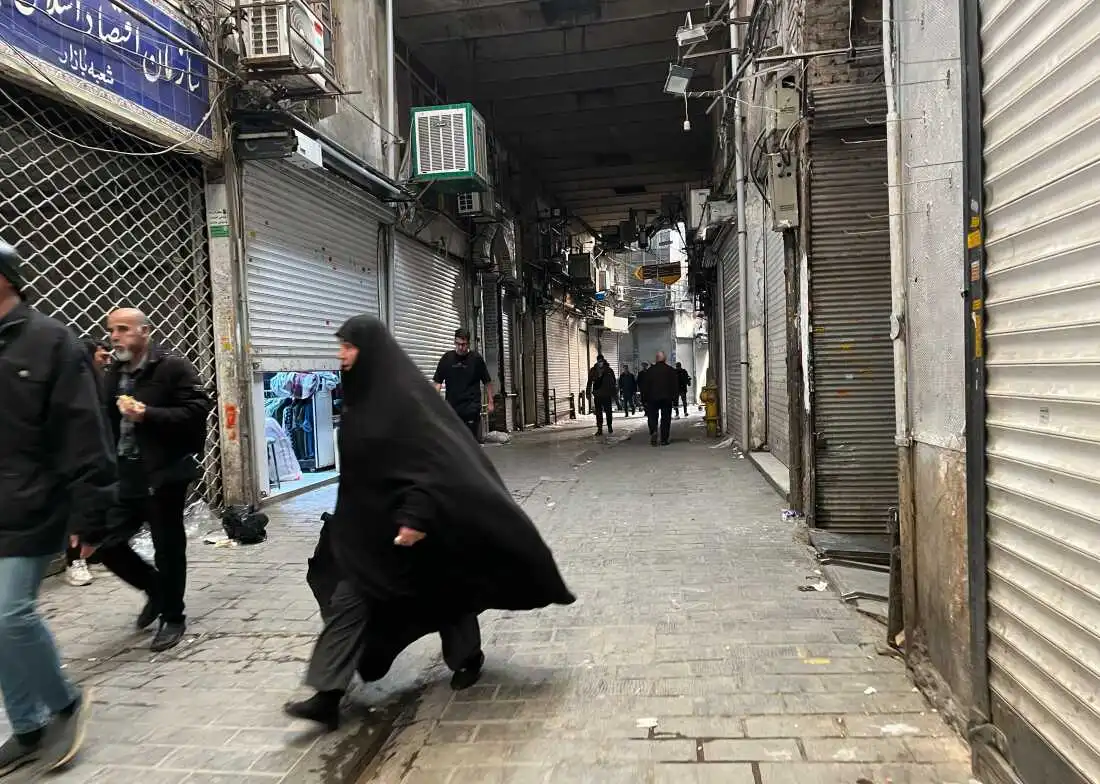
Iran is once again witnessing widespread unrest, underlining the deep economic and political stresses confronting the country. What began in late December as a protest by shopkeepers in Tehran against the sharp fall of the Iranian rial has expanded into the most extensive nationwide demonstrations since the 2022–23 upheaval that followed the custodial death of Mahsa Amini. While the government has promised to address traders’ grievances, it has simultaneously warned of a tough crackdown, a response that has already resulted in multiple deaths and heightened tensions.
The protests come at a particularly fragile moment for Iran, barely months after a brief but intense war with Israel exposed the country’s strategic vulnerabilities. Complicating matters further are claims of foreign involvement, including assertions by Mossad that its operatives were active on the ground, and warnings from Donald Trump that the United States could respond militarily if protesters were killed. Such rhetoric has reinforced the regime’s siege mentality and hardened its security-first approach.
Economically, the Islamic Republic is under unprecedented strain. Food inflation has surged to alarming levels, the rial has lost a significant portion of its value since the mid-year conflict, oil exports have declined, and daily power outages have become routine. President Masoud Pezeshkian has publicly acknowledged the severity of the crisis, conceding that his administration lacks the capacity to deliver quick fixes. While there has been some easing of social restrictions, particularly in everyday public life, the government’s ability to manoeuvre on economic policy and national security remains sharply constrained.
External pressure, especially Washington’s policy of sanctions and threats, has compounded internal distress. Rather than weakening hardline elements, sustained coercion has often deepened public suffering and pushed the state towards greater repression. If the goal is long-term stability, engagement that empowers pragmatic leadership in Tehran may prove more effective than isolation and intimidation.
Yet responsibility does not rest with external actors alone. Iran’s leadership has long defaulted to blaming foreign conspiracies while neglecting domestic failings. Years of shrinking economic opportunity, corruption, and the erosion of political and personal freedoms have built a reservoir of public anger. In an environment of economic hardship, appeals to religion or nationalism may no longer be sufficient to secure legitimacy.
Iran stands at a crossroads. Continued repression risks entrenching a cycle of unrest and instability. Meaningful reforms, serious efforts to tackle corruption, and a willingness to re-engage with the global community offer a more sustainable path forward. Without such changes, the current turmoil may only be a prelude to deeper and more destabilising crises ahead.
you may also like

- March 02, 2026
Trump Says Iran Operations May Last 4–5 Weeks
- March 02, 2026
How Switzerland Became the World’s Most Nuclear-Ready Nation
- March 02, 2026
Middle East War Escalates; Oil, Air Travel Hit
- March 02, 2026