


- March 03, 2026
‘Heads Bowed in Shame’: Pakistan PM Shehbaz Sharif Admits Pain of Seeking Foreign Loans
Pakistan PM Shehbaz Sharif admits shame in seeking foreign loans, highlighting economic crisis and heavy dependence on IMF and allies.
- January 31, 2026
- in International
The Tea on Today’s Political Admission
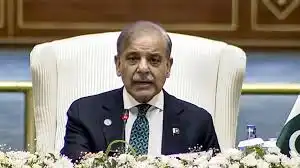
Pakistan Prime Minister Shehbaz Sharif made a rare and candid admission about the country’s deepening financial distress, openly acknowledging the humiliation and emotional burden of repeatedly seeking foreign loans to keep the economy afloat. Speaking at a ceremony in Islamabad honouring business leaders and exporters, Sharif described the experience of travelling across countries to request financial assistance as one that comes at the cost of national self-respect.
‘Begging for Money’ and the Cost to Dignity
Sharif said that leaders who go abroad seeking loans are forced to keep their “heads bowed,” highlighting the unequal dynamics between borrowers and lenders. He admitted that while friendly nations did extend support during Pakistan’s difficult phase, the process itself involved painful compromises. According to him, the act of requesting financial help often leaves little room to refuse conditions attached to the aid, even when those demands feel unreasonable or unjustified.
Role of the Military Leadership
The prime minister revealed that he personally travelled with Pakistan’s top military leadership, including Field Marshal Asim Munir, to meet foreign leaders and negotiate loans worth billions of dollars. He described these visits as necessary but deeply uncomfortable, underlining that the country’s leadership felt ashamed having to plead for financial support to stabilise the economy.
Economic Crisis Since 2022
Reflecting on the situation when his party assumed power in 2022, Sharif said Pakistan’s economy was on fragile footing, with ordinary citizens bearing the brunt of inflation, unemployment, and rising living costs. He suggested that the severity of the crisis left the government with few alternatives other than external borrowing, despite the long-term implications for sovereignty and fiscal independence.
Pakistan’s Dependence on External Support
Pakistan continues to rely heavily on financial assistance from international institutions and allied nations to manage its foreign exchange reserves and mounting debt. Talks with the International Monetary Fund remain central to Islamabad’s economic roadmap, particularly after the government implemented strict fiscal measures aimed at stabilisation. Alongside IMF programmes, Pakistan has depended on loan rollovers, deposits, and energy support from countries such as China, Saudi Arabia, the United Arab Emirates, and Qatar.
Billions in Lifelines
China has rolled over billions of dollars in deposits and remains a major economic partner through long-term infrastructure projects. Saudi Arabia has extended significant deposits and energy facilities, while the UAE has continued loan rollovers. Qatar has committed investments and energy supplies. These financial lifelines have helped avert immediate default but have also reinforced Pakistan’s dependence on external backing.
A Stark Political Message
Sharif’s remarks stand out for their honesty, offering a glimpse into the emotional and political toll of governing a cash-strapped nation. His comments underline the limits of sovereignty when economic stability depends on foreign assistance and highlight the urgency of structural reforms aimed at reducing reliance on external debt.
Nation With Tea Take
When leaders admit shame instead of strength, it signals more than an economic crisis. It reflects a nation struggling between survival and self-respect, caught in the costliest loan cycle of all.
you may also like

- March 02, 2026
Trump Says Iran Operations May Last 4–5 Weeks
- March 02, 2026
How Switzerland Became the World’s Most Nuclear-Ready Nation

- March 02, 2026
Middle East War Escalates; Oil, Air Travel Hit

- March 02, 2026