


- March 03, 2026
Oil Nears $80: Will Petrol, Diesel Prices Rise in India?
Brent crude nears $80 amid Middle East tensions. Here’s what it means for petrol and diesel prices in India and the government’s response.
- March 02, 2026
- in National
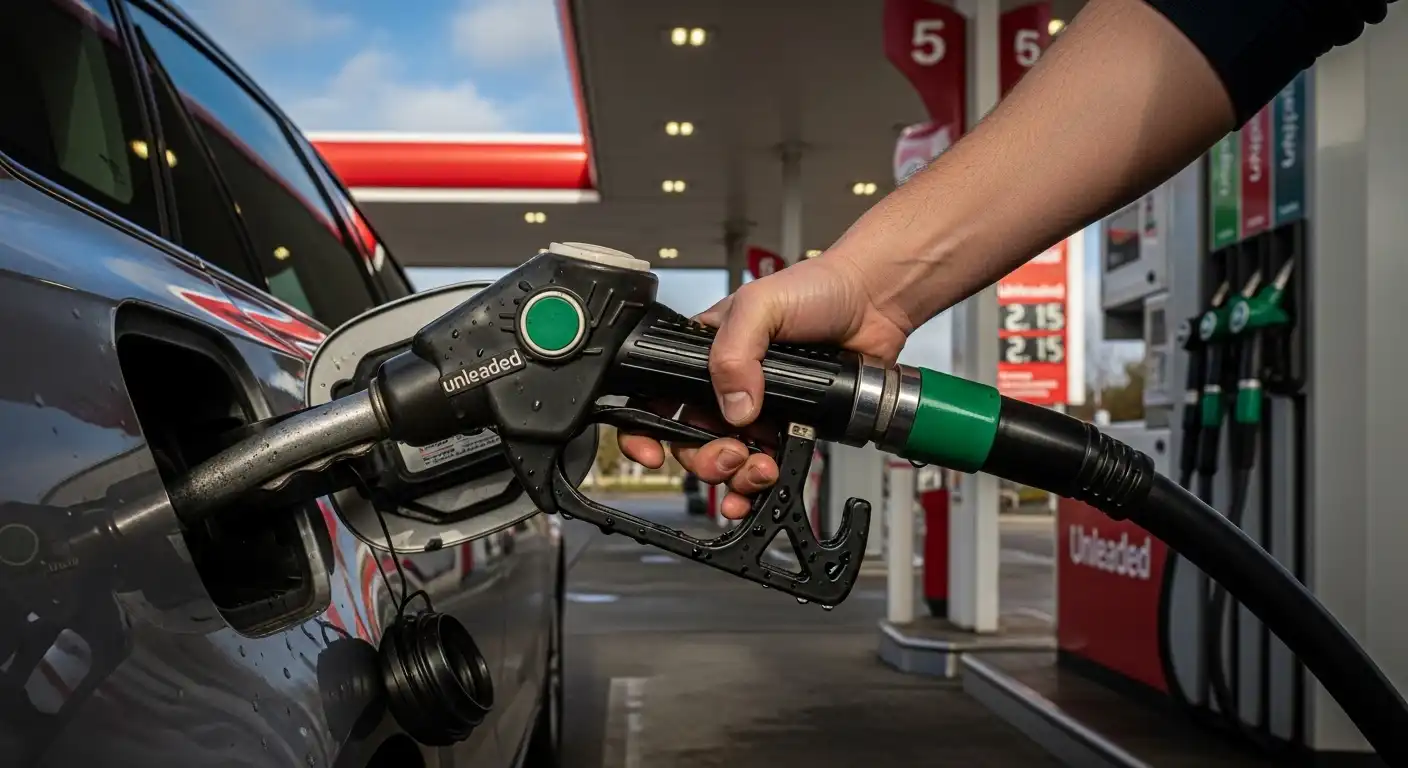
Global oil prices have surged sharply following escalating tensions in the Middle East, raising concerns about fuel costs in India.
Brent crude, the international benchmark, moved close to $80 per barrel, while US crude futures climbed significantly from last week’s levels. The spike follows geopolitical developments involving Iran, Israel and the United States.
For India, which imports nearly 88% of its crude oil needs, higher global prices typically increase the import bill and add inflationary pressure.
Will Petrol and Diesel Prices Increase?
Despite the recent jump in crude oil prices, retail petrol and diesel rates in India are not expected to be revised immediately, according to reports citing official sources.
Under the current pricing approach, the government allows state-run oil marketing companies to adjust margins over time rather than passing every global fluctuation directly to consumers.
Pump prices have remained unchanged since April 2022. During periods of elevated crude prices, public sector companies such as Indian Oil Corporation, Bharat Petroleum Corporation Limited, and Hindustan Petroleum Corporation Limited absorbed losses. When crude prices softened, margins improved.
This calibrated strategy has helped maintain stable retail fuel prices even during global volatility.
Officials have indicated that unless crude witnesses an exceptionally sharp and sustained surge, consumers are likely to be shielded from immediate hikes.
Importance of the Strait of Hormuz
A key risk factor remains the Strait of Hormuz, a critical passage through which a significant share of global crude oil and liquefied natural gas shipments flow.
Much of India’s oil imports transit through this narrow waterway. Any prolonged disruption could affect supply chains, increase freight costs, and push up insurance premiums.
Reports suggest that if shipping through the region faces interruptions, cargoes may need to be rerouted via longer routes such as around the Cape of Good Hope, increasing transportation time and costs.
Government Reviews Oil Security
Amid the evolving situation, Petroleum Minister Hardeep Singh Puri reviewed the availability of crude oil, LPG and petroleum products with senior ministry officials and executives from public sector oil companies.
Officials have stated that oil marketing companies currently have sufficient buffers to manage short-term price spikes.
Historical data shows that in mid-2022, crude prices touched significantly higher levels. While profitability was affected during high-price periods, companies later reported improved financial performance when prices stabilised.
Political and Economic Considerations
Retail fuel prices have remained stable for nearly four years. With key assembly elections approaching in states such as West Bengal, Tamil Nadu and Assam, policymakers are reportedly cautious about decisions that may affect household budgets.
At the same time, prolonged high crude prices could impact inflation and fiscal calculations if global tensions persist.
What Consumers Should Expect
For now, there is no official announcement of a petrol or diesel price hike.
Industry sources suggest that unless crude moves sharply beyond current levels for an extended period, retail fuel prices are likely to remain stable in the near term.
However, much will depend on how the geopolitical situation unfolds and whether global oil supply routes remain uninterrupted.
you may also like

- March 02, 2026
India Rejects Report Linking Officials to Nijjar Killing
- March 02, 2026
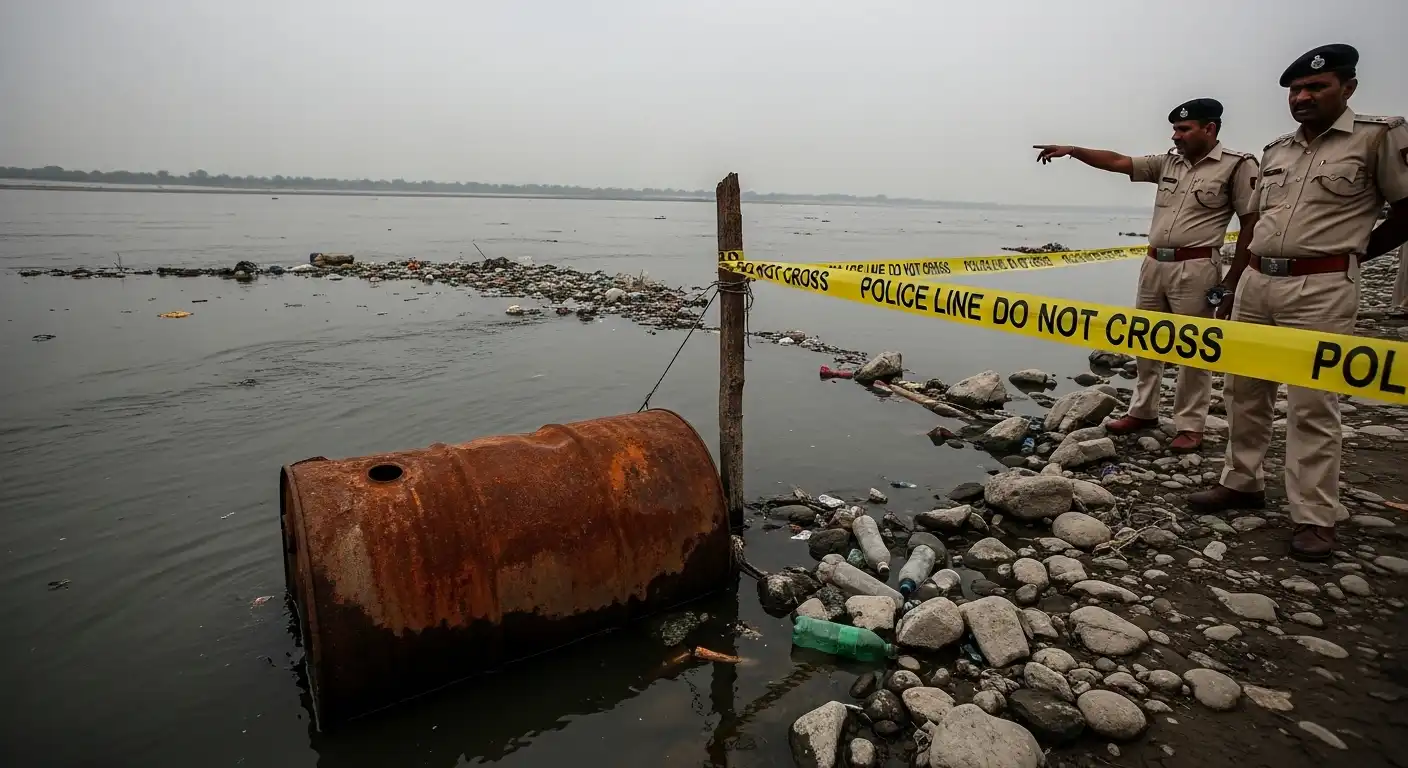
Delhi Man Allegedly Killed, Body Dumped in Yamuna

- March 02, 2026
India Rushes Relief Flights Amid West Asia Crisis

- March 02, 2026