


- March 03, 2026
One statement, many questions—Malaysia’s LGBT debate resurfaces on the global stage.
Malaysia minister faces criticism after linking stress and social factors to LGBT behaviour, reigniting debate over policy and stigma.
- January 30, 2026
- in International
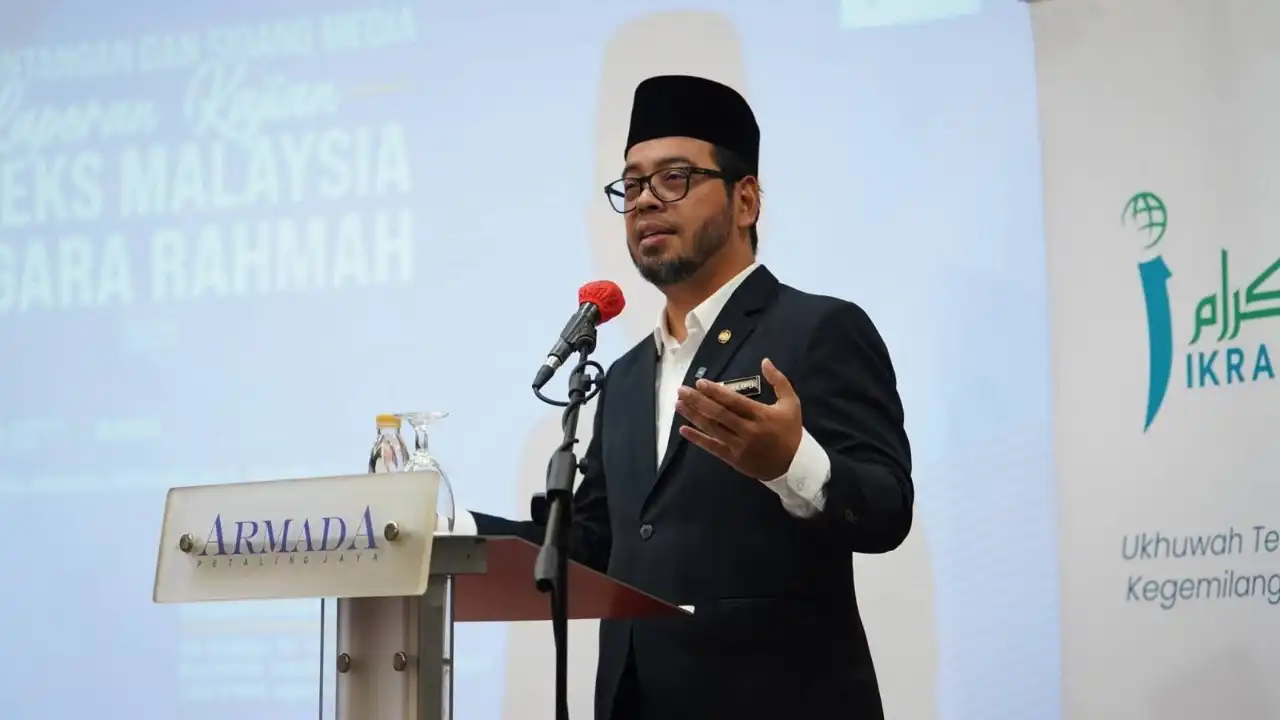
Comments linking stress and social factors to LGBT behaviour draw criticism
A senior minister in Malaysia has found himself at the centre of a growing controversy after remarks linking stress, social conditions and personal circumstances to what he described as LGBT-related behaviour. The comments have ignited widespread criticism, reopening debates around stigma, data gaps and the government’s stance on LGBTQ+ issues.
Zulkifli Hasan, who serves as Minister in the Prime Minister’s Department for Religious Affairs, made the remarks in a written reply to Parliament. He cited a 2017 academic study, suggesting that factors such as work-related stress, social influence and past experiences could play a role in an individual’s involvement in LGBT behaviour.
Parliamentary reply and data gaps
The response came after a lawmaker sought updated statistics on LGBT-related trends in the country, including age-wise and ethnic breakdowns. While outlining possible influencing factors, the minister acknowledged a key limitation: Malaysia does not maintain comprehensive official data on the size of the LGBT population.
This admission has added another layer to the debate, with critics questioning how policy positions are being shaped in the absence of reliable nationwide data.
Online criticism and calls for context
Following the remarks, social media platforms saw swift backlash. Many users and activists challenged the framing of LGBT identity as a product of stress or social pressure, arguing that such narratives risk reinforcing stereotypes and stigma.
In response, the minister urged the public to read his parliamentary reply in full, stating that excerpts circulating online had been taken out of context. He called for “tabayyun,” a term meaning verification, before drawing conclusions based on partial reporting.
Government stance reiterated
Despite the backlash, the minister reaffirmed the government’s position, stating that the Prime Minister’s Department (Religious Affairs) rejects the normalisation of LGBT identities, citing religious, moral and social values. Supporters of the remarks argue that the position aligns with Malaysia’s conservative social framework, while critics warn it could deepen marginalisation.
Why the debate matters
The episode has once again placed Malaysia’s approach to LGBT-related issues under the spotlight—particularly the tension between official policy positions, academic references, and the lived experiences of LGBTQ+ communities. With limited official data and heightened public scrutiny, the discussion highlights broader questions around representation, research, and responsibility in policymaking.
you may also like


- March 02, 2026
Trump Says Iran Operations May Last 4–5 Weeks

- March 02, 2026
How Switzerland Became the World’s Most Nuclear-Ready Nation

- March 02, 2026
Middle East War Escalates; Oil, Air Travel Hit

- March 02, 2026