



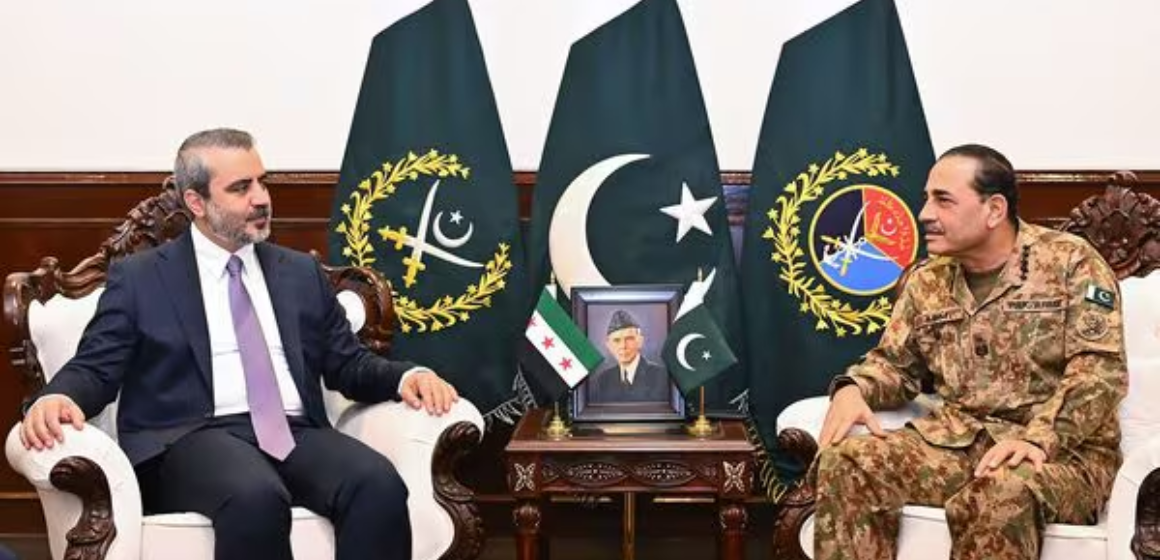
Pakistan’s foreign policy is facing renewed scrutiny as Army Chief Asim Munir visits Iran amid continuing tensions between Tehran, Washington and Israel.
Iran has reportedly expressed deep distrust of the United States and called for changes in Washington’s approach. Tehran has also indicated that verbal assurances alone are not enough to rebuild confidence.
Against this backdrop, Pakistan has sought to maintain close ties with Iran while presenting itself as a potential channel between Tehran and Washington. Islamabad has repeatedly highlighted its security cooperation and longstanding bilateral relationship with Iran.
Munir’s visit comes after several Pakistani officials travelled to Iran in recent months, including Prime Minister Shehbaz Sharif and Interior Minister Mohsin Naqvi. Despite these diplomatic efforts, Pakistan has so far failed to make significant progress towards facilitating direct peace talks or resolving the major differences between Iran and the US.
Analysts say Pakistan’s strategic position allows it to engage with multiple sides of the West Asian crisis. At the same time, questions have emerged over whether Islamabad is using its diplomatic role to secure economic and financial advantages from Western countries.
The approach has drawn comparisons with Pakistan’s handling of the Afghan crisis, when Islamabad attempted to balance relations with competing international interests while leveraging its regional position.
As tensions continue, Pakistan faces the challenge of maintaining its relationship with Iran without damaging ties with the United States and other Western partners.
The repeated diplomatic visits have raised questions about Islamabad’s broader foreign policy strategy and whether Pakistan can translate its role as a potential intermediary into tangible diplomatic results.
Leave a Reply