


- March 07, 2026
Payal Jangid: From Child Bride Escape to Activist
Payal Jangid from Rajasthan stopped her child marriage at 15 and later became a global voice advocating against child marriage and for girls’ education.
- March 07, 2026
- in Lifestyle
Advertisement

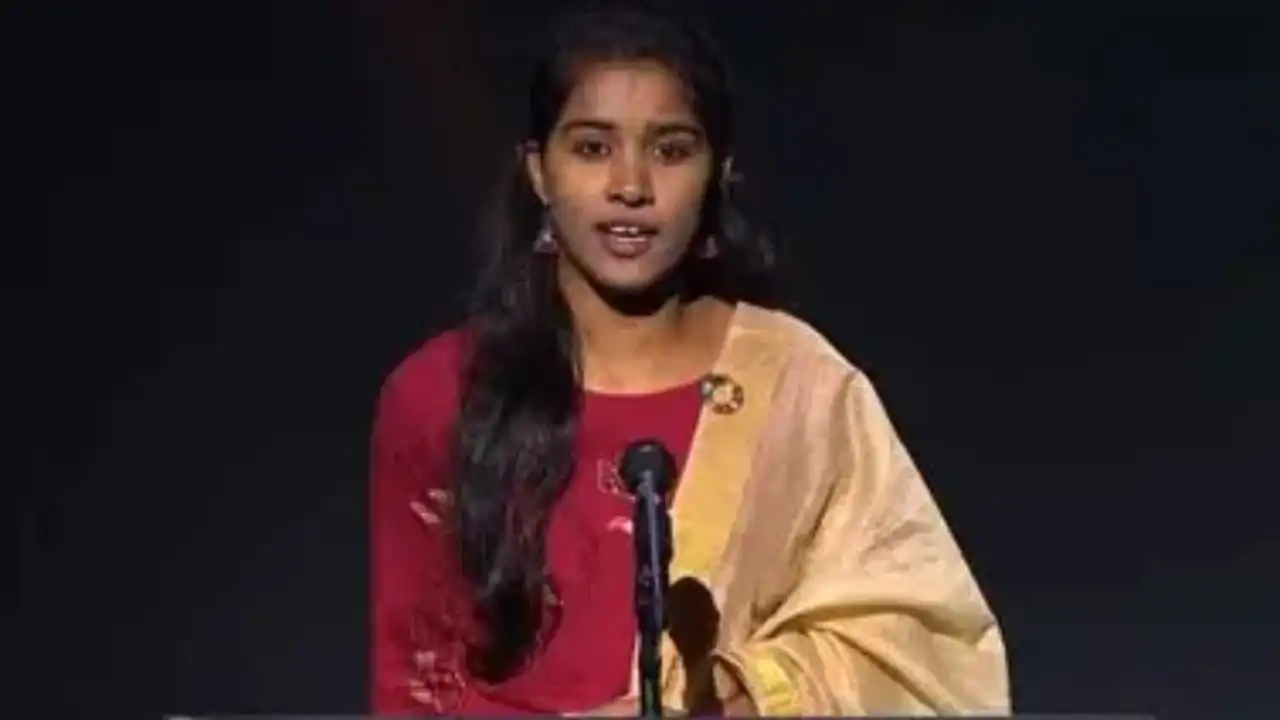
In a small village in Rajasthan, where child marriage was once widely accepted as tradition, Payal Jangid chose a different path. As a teenager, she reportedly stopped her own arranged child marriage and later became a prominent advocate for girls’ rights.
Her story has drawn attention as an example of how personal resistance can lead to wider social change.
Growing Up in a Community With Deep Traditions
Payal Jangid was born in Hinsla village in Alwar district, located in the Indian state of Rajasthan. In many parts of the region, child marriage had historically been practised despite laws prohibiting it.
Community ceremonies such as Akha Teej often saw several marriages taking place at the same time, including those involving minors.
Like many children in her village, Payal grew up witnessing girls being married at a young age. However, during her childhood, awareness programmes by child rights organisations had also started reaching communities in the region.
Refusing an Arranged Child Marriage
According to reports, when Payal was around 15 years old, her family arranged her marriage following local customs. In many cases, social pressure makes it difficult for girls to challenge such decisions.
However, Payal reportedly spoke out against the arrangement and convinced her family to cancel the marriage. Her decision was supported by awareness initiatives run by organisations working to prevent child marriage.
This moment marked a turning point in her life. Instead of leaving school for marriage, she continued her education and began advocating for other girls facing similar situations.
Becoming an Advocate for Girls’ Rights
After preventing her own marriage, Payal became active in local Bal Panchayats, community groups formed to allow children to discuss issues affecting their lives.
Through these councils, she started raising awareness about the risks associated with child marriage, including its impact on health, education and personal independence.
Along with other young members of the councils, Payal reportedly helped alert authorities and community leaders when cases of underage marriages were being planned. Over time, these efforts helped stop several such marriages in nearby villages.
International Recognition
Payal’s work gradually gained recognition beyond her community. In 2019, she received the International Children’s Peace Prize, an award given annually to a young person working to improve children’s rights.
The honour highlighted her role in encouraging girls to remain in school and in supporting child-led movements against early marriage.
Child Marriage Still a Challenge
Despite legal restrictions, child marriage continues to be a concern in some parts of India. The Prohibition of Child Marriage Act, 2006 sets the minimum legal age of marriage at 18 for women and 21 for men.
Experts say that social customs, poverty and limited access to education often contribute to early marriages in certain communities.
Activists working in this field believe that community dialogue and awareness campaigns can gradually help change long-standing attitudes.
Education as a Tool for Change
For Payal Jangid, continuing her education became an important step in challenging traditional expectations.
By sharing her experience with students and community members, she encourages young girls to prioritise schooling and make informed decisions about their futures.
Her journey—from preventing her own child marriage to speaking on international platforms—has become a symbol of how young voices can influence social change.
Advertisement
you may also like


- March 06, 2026
Oncologist Debunks 4 Common Cancer Myths

- March 06, 2026
Waist Fat May Raise Heart and Liver Disease Risk

- March 06, 2026
Do Hair Extensions Increase Cancer Risk?

- March 06, 2026