


- March 03, 2026
Putin Holds Calls With Netanyahu, Iran President as Anti-Khamenei Protests Intensify
Putin spoke to Israel’s PM and Iran’s president amid massive anti-Khamenei protests, offering Russia’s help to de-escalate tensions.
- January 16, 2026
- in International
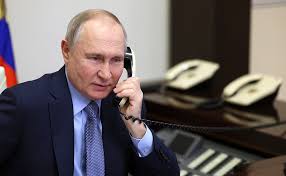
Russian President Vladimir Putin held back-to-back phone conversations with Israeli Prime Minister Benjamin Netanyahu and Iranian President Masoud Pezeshkian as widespread protests continue to grip Iran, raising concerns of further regional instability.
According to a statement issued by the Kremlin, Putin discussed the evolving Middle East situation with Netanyahu and expressed Russia’s willingness to assist in mediation efforts related to Iran. The Russian leader emphasised the need to intensify political and diplomatic initiatives to ensure stability and security across the region.
Shortly after the call with Israel’s prime minister, Putin also spoke with Iran’s newly elected president, Masoud Pezeshkian. Kremlin spokesperson Dmitry Peskov said Moscow would continue engaging with regional stakeholders to help de-escalate tensions amid the ongoing crisis.
Protests deepen pressure on Tehran
The diplomatic outreach comes against the backdrop of large-scale protests in Iran directed at the government led by Supreme Leader Ayatollah Ali Khamenei. The demonstrations began on December 28 over soaring inflation and a sharp decline in the national currency but have since expanded into nationwide unrest.
Reports suggest protests have erupted in more than 280 locations across the country. While Iranian authorities initially acknowledged the economic grievances, official rhetoric has hardened in recent days. Senior judicial and political figures have issued stern warnings, vowing strict action against those accused of supporting what they describe as foreign-backed unrest.
Crackdown and international concern
Human rights groups have alleged that security forces have carried out a violent crackdown following a near-total communications blackout. According to estimates cited by international rights monitors, more than 3,400 people may have been killed since the unrest began, though these figures have not been independently verified.
Despite signs that the protests may be losing momentum under pressure from authorities, international concern remains high. The possibility of external involvement continues to cast a shadow over the region, particularly after remarks by Donald Trump, who signalled a potential easing of tensions by suggesting that the violence appeared to be subsiding.
As diplomatic channels remain active, Russia’s outreach to both Israel and Iran highlights Moscow’s attempt to position itself as a key mediator at a time when the Middle East faces one of its most volatile moments in recent years.
you may also like

- March 02, 2026
Trump Says Iran Operations May Last 4–5 Weeks
- March 02, 2026
How Switzerland Became the World’s Most Nuclear-Ready Nation
- March 02, 2026
Middle East War Escalates; Oil, Air Travel Hit
- March 02, 2026