


- March 03, 2026
Rubio Repeats ‘No Russian Oil’ Claim; India Stresses Autonomy
At Munich Security Conference, Marco Rubio repeats claim on India halting Russian oil buys; S Jaishankar reiterates strategic autonomy.
- February 15, 2026
- in National
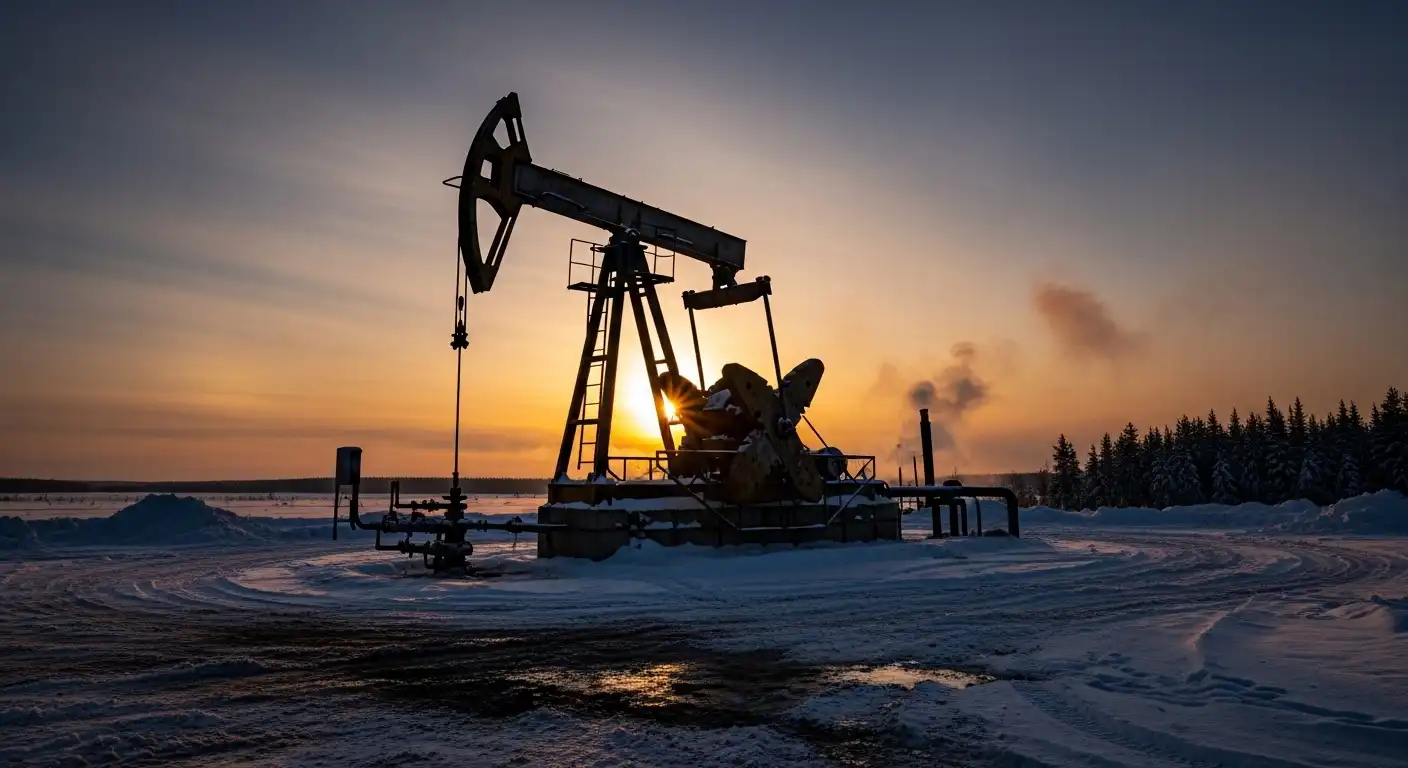
The issue of India’s purchase of Russian oil resurfaced at the Munich Security Conference, as US Secretary of State Marco Rubio reiterated that India had committed to stop buying additional Russian oil under the framework of a new trade understanding.
Speaking in Germany, Rubio said that in discussions with India, the US had received a commitment regarding Russian crude. He used the word “additional,” suggesting that future purchases may be affected, though no detailed clarification was provided.
India has not officially confirmed or denied the specific claim that it agreed to halt such purchases.
Jaishankar Emphasises Strategic Autonomy
In a separate session at the conference, External Affairs Minister S Jaishankar did not directly address Rubio’s statement. Instead, he underlined that India’s energy decisions are driven by market factors.
Jaishankar said oil companies in India, like those elsewhere, consider availability, pricing and risk before making purchase decisions. He added that India remains committed to “strategic autonomy,” a principle he described as central to the country’s foreign policy approach.
He also stated that India retains the right to make decisions that may not always align with Western positions.
Trade Deal and Tariff Developments
Earlier this month, US President Donald Trump announced a framework for a bilateral trade deal with India. Prime Minister Narendra Modi later confirmed the understanding.
Under a recent executive order, the US removed a 25% tariff that had been imposed as a penalty linked to India’s purchase of Russian oil during the Ukraine conflict. However, the order includes a monitoring mechanism.
It authorises the US commerce secretary to track India’s oil imports. If it is found that India has resumed importing Russian oil, the previously lifted tariff could reportedly be reinstated.
The trade framework also mentions that the remaining reciprocal tariff would be reduced from 25% to 18% once a formal Bilateral Trade Agreement (BTA) is concluded.
Energy Purchases and Diversification
The joint statement outlining the trade framework states that India will purchase $500 billion worth of energy and other goods from the US over five years.
Commerce Minister Piyush Goyal has said that diversifying energy sources, including increasing imports from the US, aligns with India’s strategic interests. He clarified that the trade deal does not specify which country India must buy oil from.
Some analysts have pointed out that replacing discounted Russian crude with market-priced alternatives could increase India’s energy costs.
Political Reactions
The matter has triggered political debate in India. Opposition leaders have demanded a detailed discussion in Parliament.
Meanwhile, former foreign secretary Nirupama Menon Rao has described the situation as a test of India’s strategic autonomy, while noting that the US continues to engage with India due to its importance as a global partner.
Russia has reportedly stated that it has not received official communication from India regarding any decision to stop oil purchases.
As negotiations continue, both governments appear to be working through the finer details of the proposed trade agreement. Further clarity may emerge once a formal Bilateral Trade Agreement is finalised.
you may also like


- March 03, 2026
Gulf Tensions Rise; Evacuation Flights Reach India

- March 03, 2026
Chhattisgarh Private Schools Announce RTE Protest
- March 02, 2026
India Rejects Report Linking Officials to Nijjar Killing
- March 02, 2026