


- March 03, 2026
Tarique Rahman Signals Policy Reset: ‘Bangladesh’s Interests Will Shape India Ties’ After BNP Landslide
PM-elect Tarique Rahman says Bangladesh’s interests will guide India ties after BNP’s sweeping election victory.
- February 14, 2026
- in International
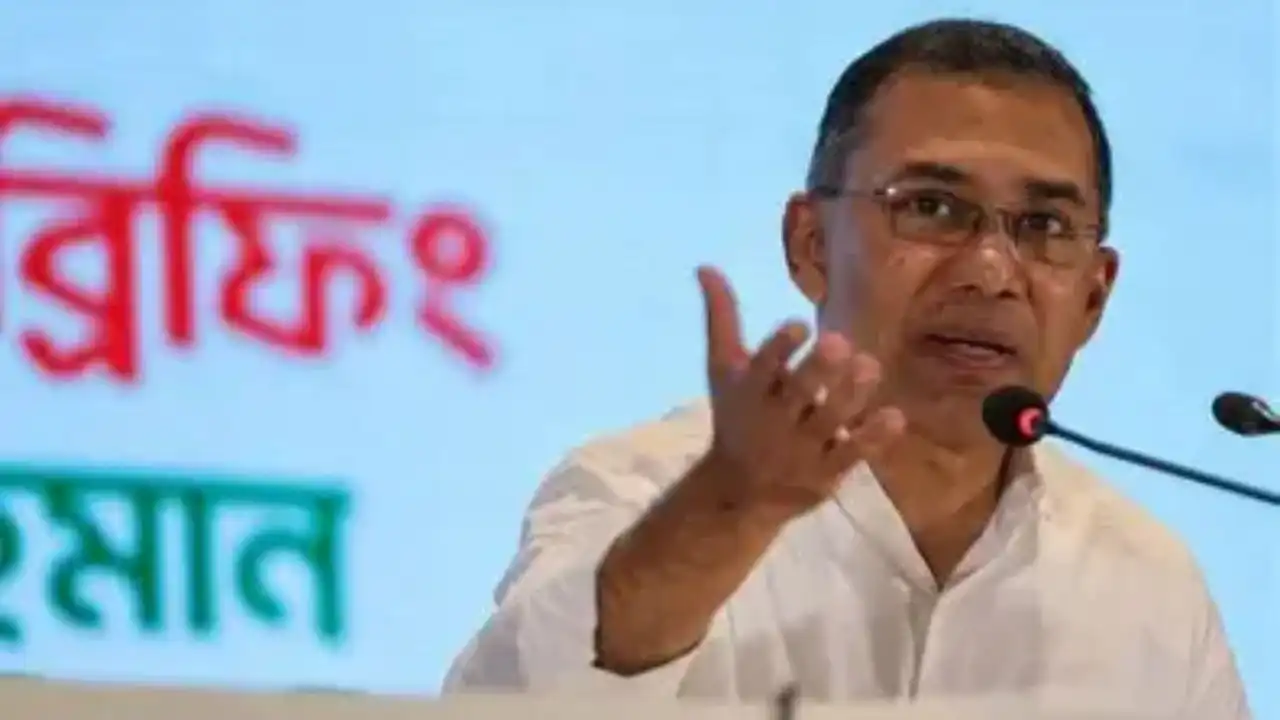
Bangladesh’s Prime Minister-elect Tarique Rahman on Saturday said the country’s foreign policy would be guided strictly by “the interests of Bangladesh and its people,” including its ties with India.
Speaking at his first press conference in Dhaka after his party’s sweeping electoral victory, Rahman responded to questions about relations with New Delhi by emphasising a people-centric approach to diplomacy.
“The interests of Bangladesh and its people will determine our foreign policy,” he said.
BNP’s Return After Two Decades
Rahman’s party, the Bangladesh Nationalist Party (BNP), secured a decisive two-thirds majority in the February 12 national elections, marking its return to power after nearly 20 years.
The result comes after a turbulent political period that included the 2024 ouster of former Prime Minister Sheikh Hasina, who later moved to India. Her exile and recent tensions over attacks on minorities have kept India-Bangladesh relations under close regional scrutiny.
India Ties: A Strategic Balancing Act
While Rahman highlighted domestic priorities — including economic revival, governance reforms, and law and order — India remains a key diplomatic focus for the incoming administration.
Senior BNP leader Humayun Kabir earlier indicated that India would be among the countries Rahman is likely to visit soon, as the new government seeks to build stronger “people-to-people” ties.
At the same time, BNP leaders have criticised what they describe as a “country-centric” foreign policy under the previous administration, signalling a potential recalibration in Dhaka’s diplomatic posture.
Fresh Push for Sheikh Hasina’s Extradition
Shortly after the election results, BNP Standing Committee member Salahuddin Ahmed reiterated the party’s demand for the extradition of Sheikh Hasina from India to face trial in Bangladesh.
He said the matter would be formally pursued through diplomatic channels between the two governments.
What Lies Ahead
With a strong parliamentary mandate, Rahman’s administration now faces the twin challenge of stabilising the domestic economy while managing delicate regional relationships.
His remarks suggest that while India remains a crucial partner, future engagement will be framed within what he described as Bangladesh’s sovereign national interest.
As South Asia watches closely, the new leadership in Dhaka is expected to chart a course that balances continuity with recalibration in one of the region’s most consequential bilateral relationships.
you may also like


- March 02, 2026
Trump Says Iran Operations May Last 4–5 Weeks

- March 02, 2026
How Switzerland Became the World’s Most Nuclear-Ready Nation

- March 02, 2026
Middle East War Escalates; Oil, Air Travel Hit

- March 02, 2026