


- March 03, 2026
US Exits WHO, Leaves $260 Million Unpaid as Experts Warn of Global Health Fallout
The US has completed its exit from the WHO, ending funding and leaving $260 million unpaid as experts warn of serious global health consequences.
- January 23, 2026
- in International
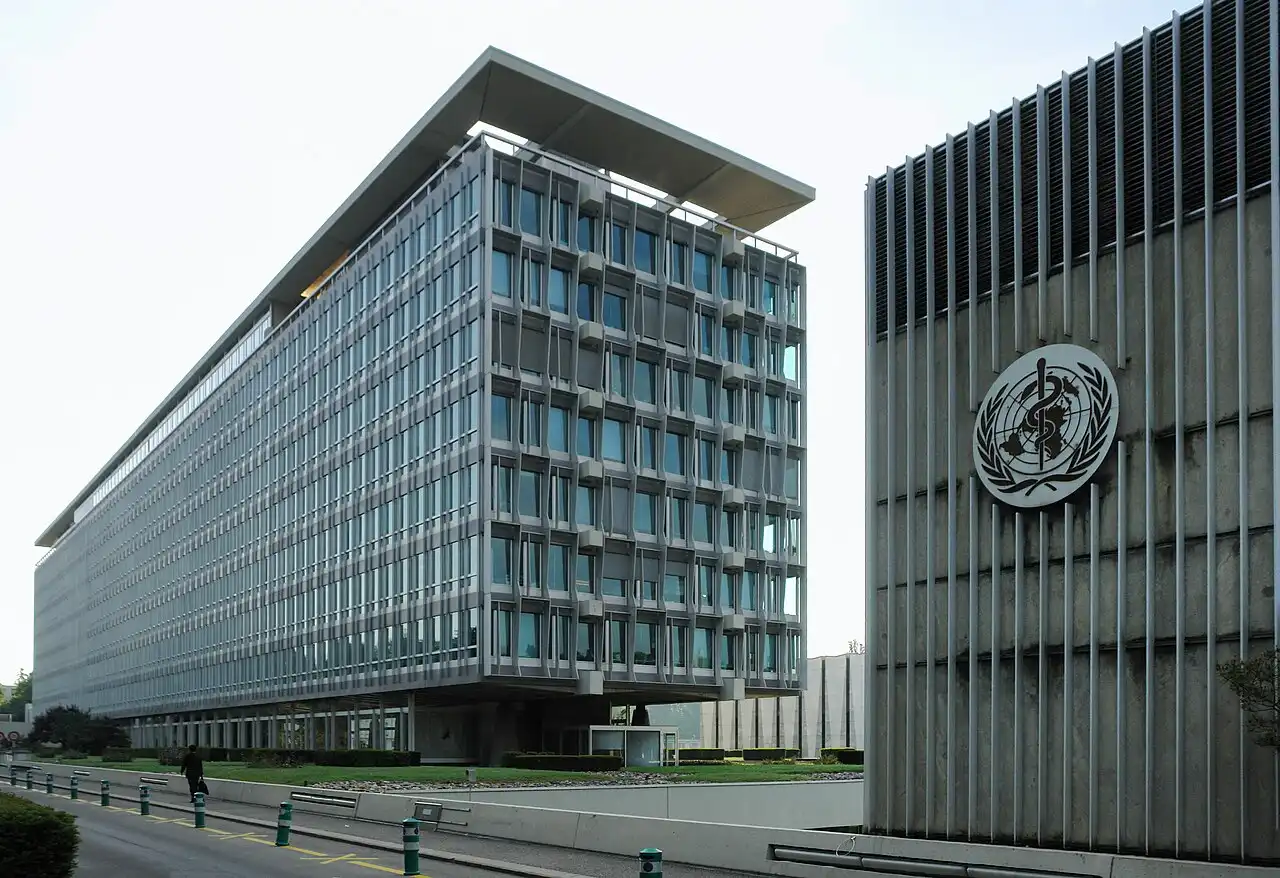
The United States has formally completed its withdrawal from the World Health Organization (WHO), ending decades of participation in the United Nations’ premier global health body and leaving behind unpaid dues estimated at nearly $260 million. The exit comes one year after US President Donald Trump signed an executive order initiating the withdrawal at the start of his second term.
The move brings all US engagement with the WHO to a halt, including participation in leadership bodies, technical committees, and scientific working groups. The US Department of Health and Human Services confirmed that all funding to the WHO has been terminated and American personnel have been recalled from the organisation’s headquarters in Geneva and its offices worldwide.
Why the US Pulled Out
The withdrawal follows long-standing criticism by the Trump administration, which accused the WHO of mishandling the Covid-19 pandemic, failing to implement structural reforms, and lacking independence from political influence. The administration has repeatedly argued that the organisation did not act swiftly or transparently during the early stages of the global health crisis.
Despite a 1948 Congressional resolution requiring one year’s notice and payment of outstanding dues before withdrawal, senior administration officials maintained that there is no legal obligation to clear pending payments prior to exiting the agency. As a result, US contributions for 2024 and 2025 remain unpaid.
Dispute Over the Debt Amount
According to WHO estimates, the US owed approximately $260 million as of January 2025. However, other reports citing WHO officials have placed the outstanding amount at over $130 million, reflecting differences in accounting methods and assessed versus voluntary contributions.
WHO Loses Its Biggest Donor
The US exit represents a major financial blow to the WHO, as Washington was its single largest contributor. Between 2022 and 2023, the US provided nearly $1.3 billion to the organisation, supporting programs ranging from disease surveillance and vaccine distribution to maternal health and emergency response systems.
Global health experts have warned that the sudden loss of funding and technical cooperation could severely disrupt ongoing initiatives, including polio eradication efforts, infectious disease monitoring, and rapid-response mechanisms for future outbreaks.
Strong Reactions From Health Experts
Legal and public health scholars described the decision as deeply damaging. Lawrence Gostin, a leading global health law expert, characterised the withdrawal as a “messy divorce” and warned that it would weaken the world’s ability to respond to emerging health threats. He cautioned that the move could also limit access for US scientists and pharmaceutical companies to critical global data needed for vaccine and drug development.
Medical professionals echoed these concerns. Leaders from prominent health bodies called the decision “shortsighted” and “scientifically reckless,” arguing that disengaging from WHO committees deprives the US of access to global influenza and disease surveillance data that directly informs domestic public health preparedness.
Global Health Implications
The WHO plays a central role in coordinating responses to pandemics, setting international health standards, distributing vaccines and treatments, and providing technical assistance to low- and middle-income countries. With nearly every nation in the world as a member, experts fear that the absence of the US—both financially and scientifically—could weaken collective global health governance at a time of rising cross-border health risks.
you may also like

- March 02, 2026
Trump Says Iran Operations May Last 4–5 Weeks
- March 02, 2026
How Switzerland Became the World’s Most Nuclear-Ready Nation

- March 02, 2026
Middle East War Escalates; Oil, Air Travel Hit
- March 02, 2026