


- March 02, 2026
Why Knee Pain Rises After 45 in Women
Orthopaedic surgeon Dr Akhilesh Rathi explains 5 reasons women develop knee pain after 45 and shares simple prevention tips.
- February 18, 2026
- in Lifestyle
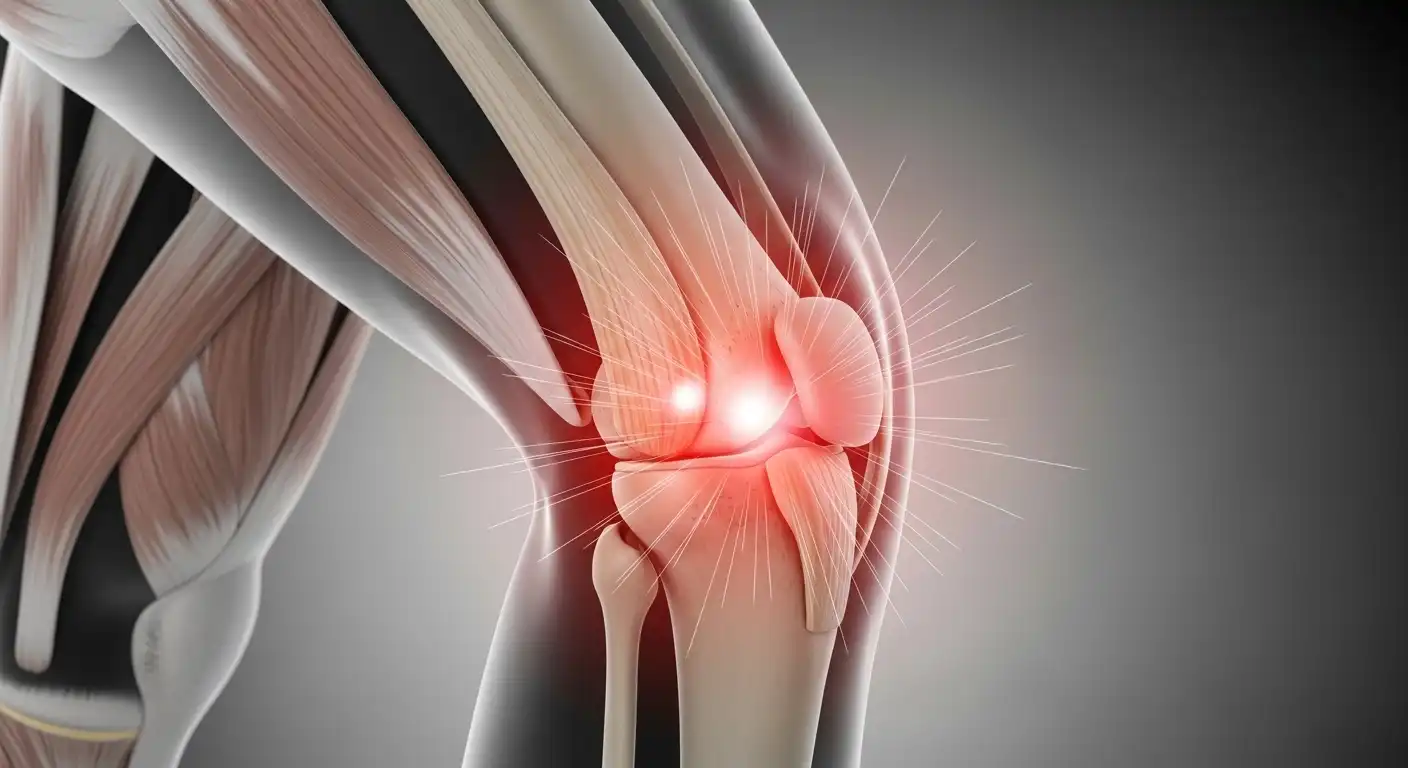
Knee pain is one of the most common complaints among women over the age of 45. While many assume it is a natural part of ageing, doctors say several biological and lifestyle factors contribute to the discomfort.
Dr Akhilesh Rathi, Director of Robotics, Joint Replacement, Orthopaedics and Sports Injury at Sri Balaji Action Medical Institute in New Delhi, explains that midlife hormonal changes play a major role in joint health.
According to him, the years around perimenopause and menopause mark a turning point for bones and cartilage.
1. Decline in Oestrogen
After menopause, oestrogen levels drop significantly. While commonly linked to reproductive health, oestrogen also helps protect bones and joint cartilage.
Dr Rathi explains that lower oestrogen levels can lead to thinning of cartilage in the knee. This reduces cushioning in the joint, causing stiffness and pain. He notes that osteoarthritis affects women more frequently than men and often begins in the late 40s or early 50s.
2. Early Osteoarthritis
Many women above 45 begin developing early signs of osteoarthritis, a condition where joint cartilage gradually wears down.
Symptoms may include pain while climbing stairs, crackling sounds in the knees, morning stiffness and difficulty sitting cross-legged. Since the knee is a weight-bearing joint, even minor degeneration can cause noticeable discomfort.
Dr Rathi says that early symptoms are often ignored or mistaken for general weakness.
3. Calcium and Vitamin D Deficiency
Low levels of calcium and vitamin D are common among Indian women, partly due to indoor lifestyles and dietary gaps.
Calcium is essential for bone strength, while vitamin D helps the body absorb calcium. Deficiency in either can weaken the bone beneath the cartilage, increasing the risk of knee pain and fatigue during walking.
4. Weight Gain After 40
Metabolism naturally slows with age, and many women experience weight gain after 40.
Dr Rathi explains that the knee joint bears nearly three to four times a person’s body weight during activities like walking or climbing stairs. Even a small weight increase can add significant stress to the knees, accelerating cartilage wear.
5. Repetitive Strain
Daily activities such as frequent stair climbing, squatting, and sitting on the floor can put repeated pressure on the knees. Over decades, this cumulative strain may contribute to joint damage.
The effects often become more noticeable after 45, when cartilage resilience declines.
How to Prevent Knee Pain
Dr Rathi advises early intervention to prevent worsening joint damage. He suggests:
-
Walking for 30 minutes daily
-
Strengthening quadriceps muscles
-
Maintaining a healthy weight
-
Getting adequate sunlight for vitamin D
-
Consulting an orthopaedic specialist at the first sign of persistent pain
He emphasises that knee pain in midlife should not be dismissed as “normal ageing.” Early diagnosis and lifestyle adjustments can delay progression and reduce the need for advanced treatments later.
Note: This article is for informational purposes only and does not replace professional medical advice. Readers should consult a qualified healthcare provider for diagnosis and treatment.
you may also like


- March 02, 2026
iPhone 17e Launched in India at Rs 64,900

- March 02, 2026
Tea & Biscuits on Empty Stomach? Expert Warns

- March 02, 2026
