


- March 09, 2026
5 Weight Loss Mistakes That May Slow Metabolism
Nutritionist Tanveer Kaur Thiara explains five common weight loss mistakes that may slow metabolism, including skipping meals and relying on processed diet foods.
- March 08, 2026
- in Lifestyle
Advertisement

Many people trying to lose weight often follow strict diets or quick-fix solutions that promise fast results. However, experts say some common weight-loss habits can actually slow down metabolism and make long-term weight management more difficult.
According to nutritionist Tanveer Kaur Thiara, sustainable weight loss is less about extreme dieting and more about balanced nutrition and consistent lifestyle habits.
Speaking about common mistakes people make, Thiara highlighted several habits that can unintentionally disrupt the body’s natural metabolic processes.
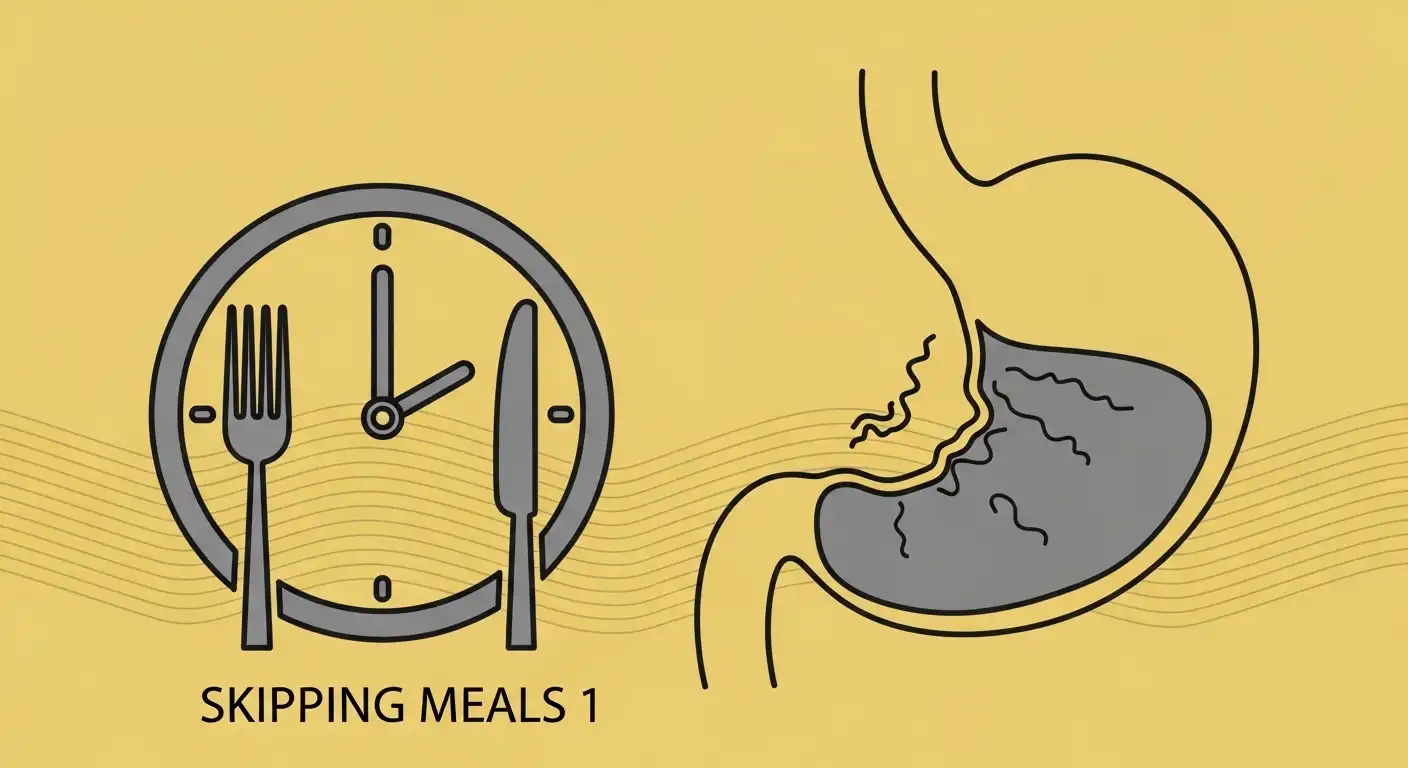
1. Skipping Meals to Reduce Calories
Skipping meals, especially breakfast or dinner, is a common strategy for reducing calorie intake. However, experts say long gaps without food can cause the body to shift into energy-conservation mode.
When this happens, metabolism may slow down, making the body more likely to store fat instead of burning calories efficiently.
Nutritionists generally recommend eating balanced meals at regular intervals to maintain stable energy levels and support metabolism.
2. Not Eating Enough Protein
Protein plays an important role in maintaining muscle mass and supporting metabolic health. However, many diets often lack sufficient protein.
Adequate protein intake can help increase the feeling of fullness and reduce unnecessary snacking. It also requires more energy to digest, which can slightly increase calorie burning during digestion.
Common sources include lentils, eggs, dairy products, tofu, paneer, nuts and lean meats.
3. Following Very Low-Calorie Diets
Crash dieting may lead to quick weight loss initially, but extremely low calorie intake can slow metabolism over time.
Experts say the body may adapt by conserving energy when it receives very little fuel. This can also lead to muscle loss, which further reduces the body’s ability to burn calories efficiently.
Gradual calorie reduction combined with balanced nutrition is often considered a healthier approach.
4. Ignoring Strength Training
Diet alone is often not enough for effective weight management. Physical activity, especially strength training, helps maintain muscle mass and supports metabolism.
Muscle tissue burns more calories than fat tissue, even when the body is at rest. Activities like resistance training, yoga, or regular walking can help maintain overall metabolic health.
5. Relying on Packaged “Diet” Foods
Many products marketed as “low-fat,” “diet,” or “healthy” are ultra-processed and may contain added sugars, refined ingredients or artificial additives.
Experts recommend focusing on whole foods instead, including vegetables, fruits, whole grains, pulses, nuts and home-cooked meals.
Focus on Sustainable Habits
According to Thiara, weight loss should not be seen as simply eating less food. Instead, maintaining a balanced diet, eating regularly, consuming adequate protein and staying physically active are key to long-term health.
Experts also advise that gradual and consistent lifestyle changes often produce more sustainable results than strict diets.
Note: This article is for informational purposes only and should not replace professional medical advice.
Advertisement
you may also like


- March 09, 2026
ENT doctor shares 60/60 rule for safe earphone use

- March 09, 2026
Why feet swell during pregnancy, doctor explains

- March 09, 2026
Ghee myths explained: Doctor on safe daily intake

- March 08, 2026