


- March 09, 2026
Why feet swell during pregnancy, doctor explains
A US doctor explains why swollen feet are common during pregnancy and shares simple tips to manage the discomfort safely.
- March 09, 2026
- in Lifestyle
Advertisement

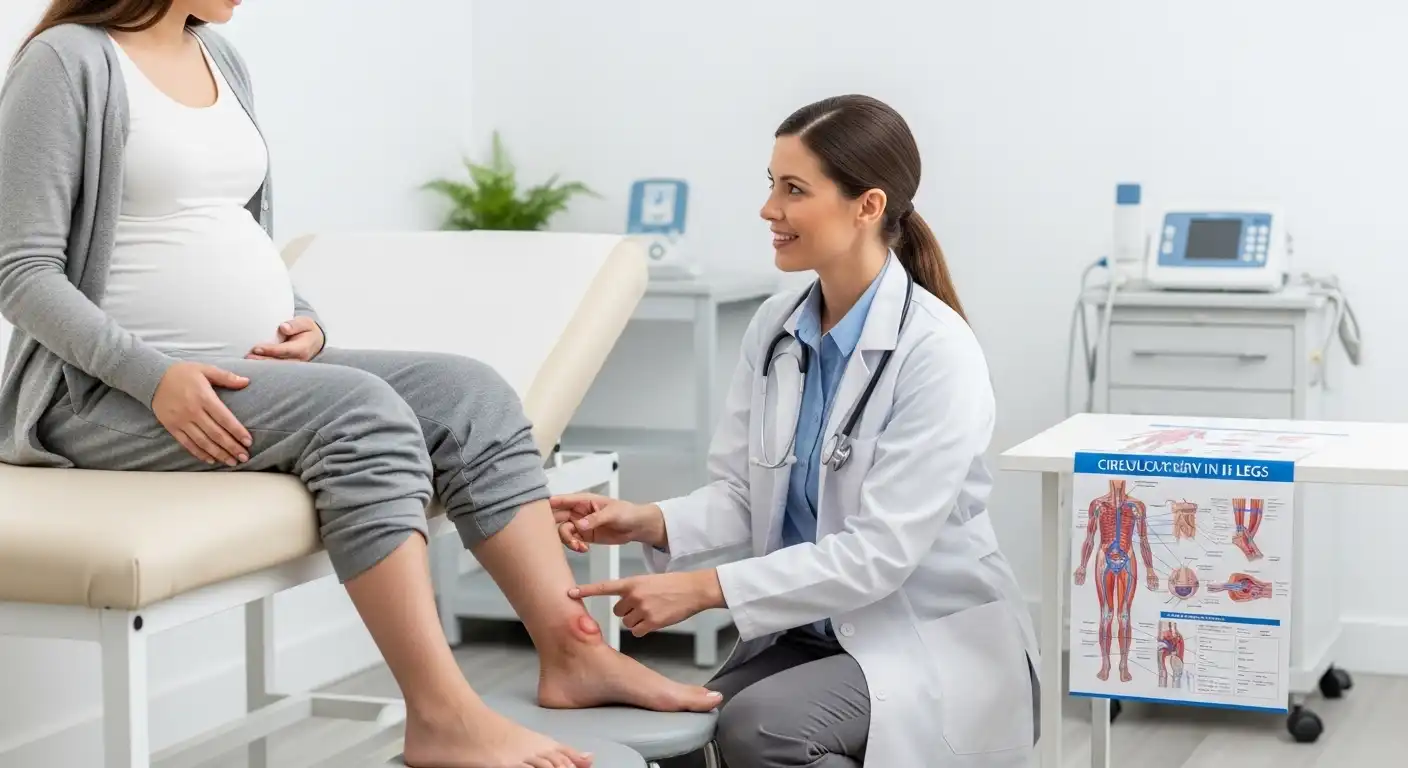
Swollen feet are a common experience during pregnancy, as the body goes through several physical and hormonal changes to support the developing baby. While this symptom is widely reported by expecting mothers, doctors say there are ways to manage the discomfort through simple lifestyle adjustments.
Why swelling happens during pregnancy
According to Dr. Kunal Sood, a Maryland-based anaesthesiologist and interventional pain medicine specialist, swelling in the feet often occurs due to fluid buildup in the lower body.
In an Instagram video shared on March 8, the doctor explained that the body naturally retains more blood and fluids during pregnancy. At the same time, hormonal changes cause blood vessels to relax, which can slow the return of blood from the legs.
As the uterus grows, it can also put pressure on blood vessels, making circulation from the lower limbs slower. This process allows fluid to collect in the feet and ankles, particularly later in the day.
Common but manageable symptom
Dr. Sood noted that while swelling during pregnancy is common, it does not always have to be endured without relief. Simple steps may help reduce the discomfort and make daily activities easier.
He added that swelling is usually more noticeable as pregnancy progresses and may increase after long periods of standing or sitting.
Tips to reduce swelling
The physician shared several practical measures that may help ease swelling in the feet during pregnancy:
-
Elevate the legs when resting to improve blood flow
-
Wear compression socks, preferably earlier in the day
-
Take gentle walks and move the ankles regularly to support circulation
-
Stay well hydrated
-
Limit excessive salt and processed foods
-
Choose comfortable, supportive footwear
These measures may not completely eliminate swelling, but they can help reduce discomfort and improve circulation.
When to seek medical advice
While mild swelling is common during pregnancy, experts generally advise consulting a healthcare professional if swelling becomes sudden, severe, or is accompanied by other symptoms.
Medical professionals can assess whether the swelling is part of normal pregnancy changes or requires further attention.
Note: The information referenced in this report is based on a social media post by the doctor and is meant for informational purposes. It should not replace professional medical advice. Pregnant individuals should consult their healthcare provider for personalised guidance.
Advertisement
you may also like


- March 09, 2026
ENT doctor shares 60/60 rule for safe earphone use

- March 09, 2026
Ghee myths explained: Doctor on safe daily intake

- March 08, 2026
Poor Posture, Overtraining May Cause Chronic Back Pain

- March 08, 2026