


- March 09, 2026
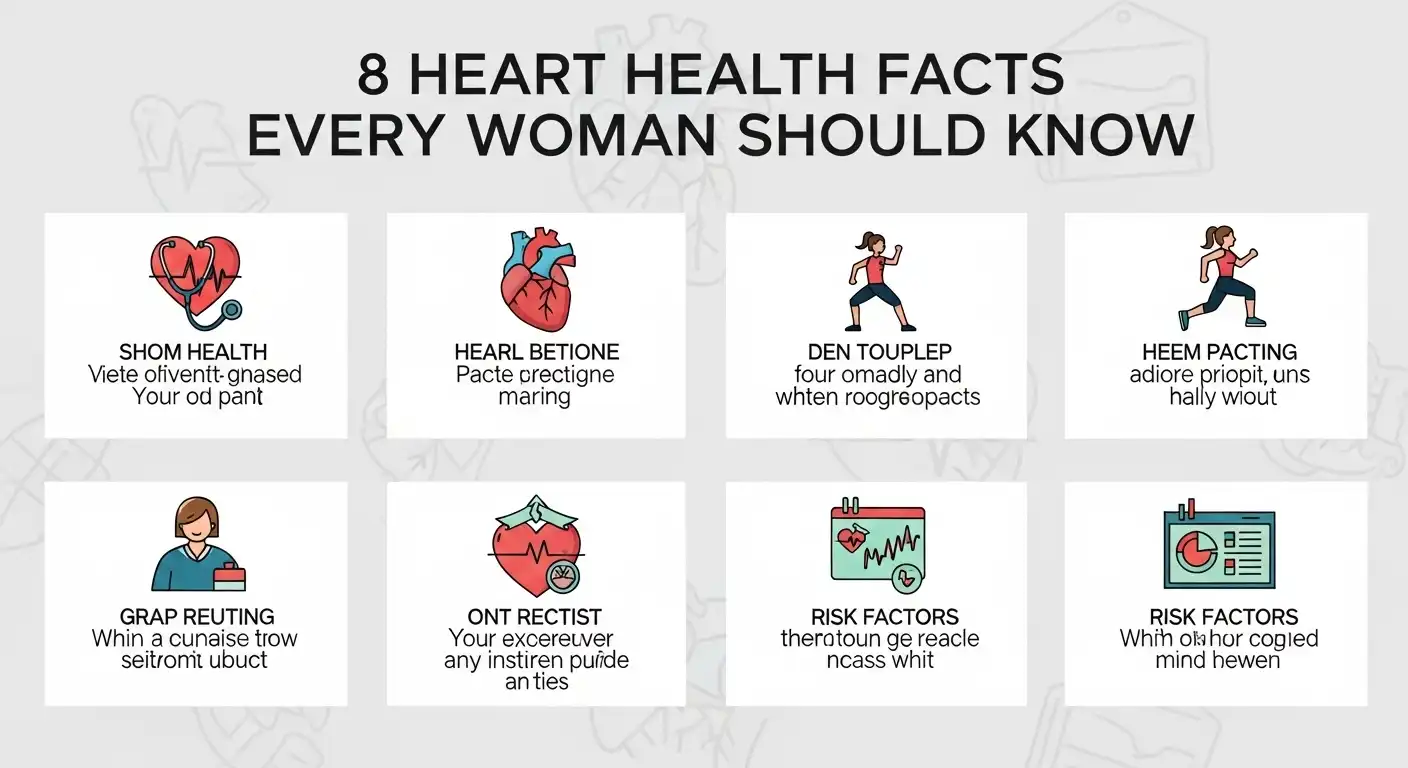
8 Heart Health Facts Every Woman Should Know
Cardiologist Dr Dmitry Yaranov shares eight key facts about women’s heart health, explaining why symptoms and risks often differ from men.
- March 08, 2026
- in Lifestyle
Advertisement

Heart disease remains one of the most serious health threats for women worldwide, yet it is often under-recognised. According to Dr Dmitry Yaranov, awareness about women’s cardiovascular health is still limited despite its major impact.
In a recent social media discussion shared on Instagram, Dr Yaranov outlined several key facts about heart health in women. He highlighted that the condition often presents differently compared with men, which can lead to delayed diagnosis or treatment.
Heart Disease Is the Leading Cause of Death
Dr Yaranov explained that heart disease remains the leading cause of death among women globally. However, it is still widely perceived as a condition that mainly affects men.
This misconception can prevent many women from recognising symptoms early or seeking timely medical care.
Symptoms of Heart Attack May Differ
The cardiologist noted that heart attack symptoms in women often differ from the commonly recognised signs.
Instead of severe chest pain, women may experience symptoms such as nausea, unusual fatigue, dizziness, jaw pain, or shortness of breath. Because these signs can appear less dramatic, they may sometimes be overlooked.
Heart Attacks Can Be More Dangerous
According to Dr Yaranov, heart attacks can sometimes have more severe consequences for women. Delayed recognition of symptoms may result in later treatment, which can increase the risk of complications.
Studies have shown that women may face a higher risk of death within the first year after a heart attack compared with men.
Differences in How Heart Disease Develops
Heart disease can also develop differently in women. Dr Yaranov explained that plaque buildup inside arteries may occur in patterns that are harder to detect through traditional diagnostic methods.
This difference can sometimes make early detection more challenging.
Emotional Health Plays a Role
Mental and emotional health can significantly affect cardiovascular well-being. Conditions such as stress, anxiety, and depression may have a stronger influence on heart health in women than many people realise.
Experts say managing emotional health is an important part of preventing heart disease.
Risk Increases After Menopause
The risk of cardiovascular disease tends to rise after Menopause, mainly due to hormonal changes.
A decline in oestrogen levels may contribute to changes in blood pressure, cholesterol levels, and blood vessel health.
Women May Receive Less Aggressive Treatment
Dr Yaranov also pointed out that research suggests women are sometimes less likely to receive certain medical procedures, medications, or emergency interventions compared with men.
This difference in treatment can affect health outcomes if heart disease is not addressed promptly.
Most Heart Disease Is Preventable
Despite these challenges, experts emphasise that many cases of heart disease can be prevented.
Healthy lifestyle habits such as balanced nutrition, regular physical activity, controlling blood pressure and cholesterol, and routine medical check-ups can significantly reduce cardiovascular risk.
Dr Yaranov encouraged women to stay aware of their heart health and seek medical advice when experiencing unusual symptoms.
Note: This article is for informational purposes only and should not replace professional medical advice.
Advertisement
you may also like


- March 09, 2026
ENT doctor shares 60/60 rule for safe earphone use

- March 09, 2026
Why feet swell during pregnancy, doctor explains

- March 09, 2026
Ghee myths explained: Doctor on safe daily intake
- March 08, 2026