


- March 03, 2026
62-Year-Old Woman in China Becomes Pregnant via IVF, Calls Unborn Baby Return of Late Son
A 62-year-old woman in China conceives through IVF after losing her only son, sparking global debate on late-age pregnancy.
- January 08, 2026
- in International
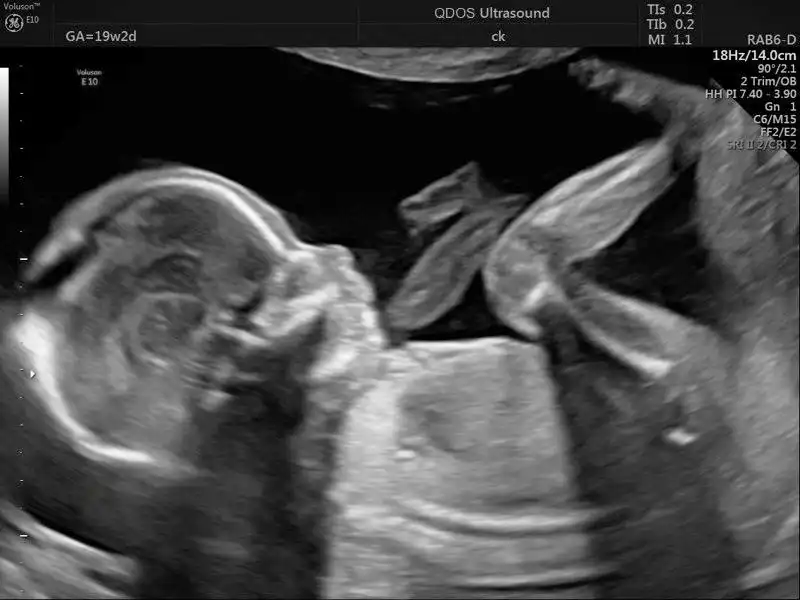
A 62-year-old woman from northeastern China has drawn widespread attention after becoming pregnant through in vitro fertilisation (IVF) months after the death of her only child. The expectant mother has described the unborn baby as the “return” of her deceased son, a statement that has ignited emotional and ethical discussions online.
The woman, a resident of Songyuan city in Jilin province, is currently six months pregnant. Her pregnancy journey has been shared on social media through videos posted by her younger sister, who documents the day-to-day experiences of the elderly expectant mother. In the clips, the woman appears calm and optimistic as she speaks about feeling foetal movements and adapting to pregnancy at an advanced age.
According to accounts shared online, the woman lost her son in early 2025. While details surrounding his death remain undisclosed, she later opted for IVF, marking only the second pregnancy of her life. In one video, she shared that the baby becomes more active when she eats sweet food, leading her to believe the child may be a boy — a belief she associates emotionally with her late son.
Medical experts have raised serious concerns over pregnancies at such an advanced age. Doctors have warned that elderly pregnancies carry significantly higher risks, including complications that often require caesarean delivery and intensive medical supervision. Due to these risks, the woman undergoes frequent prenatal check-ups and travels long distances to major hospitals for specialised care.
Public reaction to the pregnancy has been sharply divided. Critics have questioned the long-term implications for the child, including the physical ability of elderly parents to provide care. Others, however, have expressed empathy, describing the pregnancy as a deeply personal response to grief and loss.
Addressing the criticism, the woman’s sister said that the emotional pain of losing an only child is often misunderstood. Supporters online echoed this sentiment, describing the pregnancy as a source of hope and emotional strength for the family.
The case has once again brought attention to the ethical, medical and emotional dimensions of late-age pregnancies, particularly as assisted reproductive technologies become increasingly accessible worldwide.
you may also like


- March 02, 2026
Trump Says Iran Operations May Last 4–5 Weeks

- March 02, 2026
How Switzerland Became the World’s Most Nuclear-Ready Nation

- March 02, 2026
Middle East War Escalates; Oil, Air Travel Hit

- March 02, 2026