Indian Degrees in BRICS: New Framework Could Boost STEM Student Mobility
BRICS countries are advancing talks on mutual recognition of qualifications, a move that could make it easier for Indian STEM students to study, research and work across member nations.

Indian engineering, science and technology qualifications could become easier to recognise across BRICS countries if ongoing discussions on a Mutual Recognition of Qualifications framework eventually result in a formal agreement. The proposal could improve academic mobility and create more opportunities for students and researchers across the grouping.
India, which is hosting the BRICS Summit in New Delhi on September 12 and 13, 2026, has been advocating stronger cooperation in education, research and academic mobility. The grouping currently consists of 11 countries: Brazil, Russia, India, China, South Africa, Egypt, Ethiopia, Indonesia, Iran, Saudi Arabia and the UAE.
At the 13th BRICS Education Ministers' Meeting held in Bhubaneswar in August, member countries agreed to hold further Working Group meetings to advance discussions on an agreement covering mutual recognition of qualifications. The proposed framework is intended to facilitate greater academic mobility and cooperation between BRICS nations.
Mutual recognition could be particularly relevant to STEM education. If participating countries establish ways to compare academic qualifications, credits and standards, students could potentially find it easier to move between universities for higher education, research projects and exchange programmes.
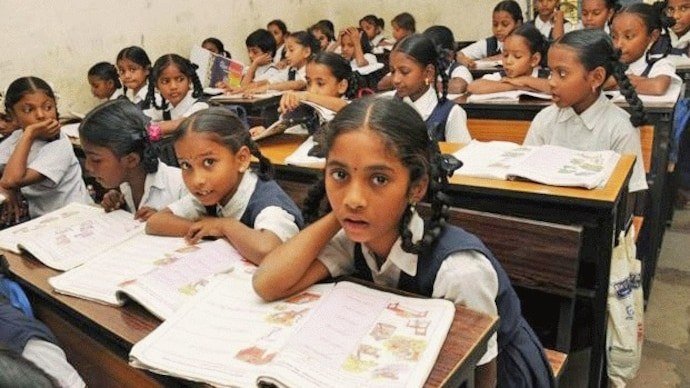
Current data on Indian students studying in BRICS countries shows a highly uneven distribution. Russia was the largest BRICS destination for Indian university and tertiary students, with around 27,000 students reported in January 2025. China had 5,330, followed by Iran with 2,930 and Egypt with 1,500.
South Africa had 536 Indian university students, while Saudi Arabia had 830. The UAE recorded a much larger overall number of Indian students, but most were school students. Of the 253,832 Indian students reported there, only 6,507 were enrolled in universities or other tertiary institutions.
The number of Indian higher-education students in some other BRICS countries was considerably smaller. Indonesia had 17 Indian university students and Brazil had seven, while no Indian university students were reported in Ethiopia in the January 2025 data.
The differences in student numbers highlight the potential importance of a practical qualification-recognition system. A stronger BRICS education corridor could initially focus on areas such as engineering, computer science, artificial intelligence, biotechnology, medicine, climate technology and advanced manufacturing.
Such cooperation could eventually support easier credit transfers, clearer degree equivalence, joint academic programmes, scholarships and research exchanges. It could also make it easier for students and researchers to move between institutions with greater clarity about how their qualifications will be assessed.
However, mutual recognition of academic qualifications would not automatically allow an Indian graduate to practise a regulated profession in another BRICS country. Professional licensing requirements, discipline-specific standards and national quality-assurance rules would continue to apply.
For Indian students, the significance of the initiative will ultimately depend on whether BRICS countries can move beyond broad declarations and establish a practical framework. If implemented effectively, mutual recognition could make Indian STEM qualifications more portable across emerging education, research and technology centres within the grouping.