Delhi Student Housing Crisis: 20-Member Panel Gets 60 Days for Fix
Delhi has formed a 20-member high-powered committee to address the shortage of safe, affordable and regulated accommodation for students across the capital.
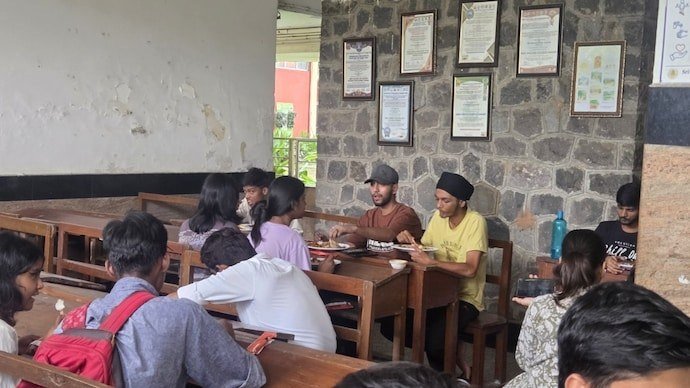
Delhi has constituted a 20-member High-Powered Committee to address the shortage of safe, affordable and regulated accommodation for students in the national capital. The committee has been given 60 days to submit its findings and recommendations.
The panel will be chaired by the Delhi Education Minister and includes senior officials such as the Chief Secretary, Delhi Police Commissioner and heads of the New Delhi Municipal Council, Municipal Corporation of Delhi and Delhi Development Authority. Officials responsible for Home, Revenue, Health, Urban Development, Law and Public Works have also been included.
Several university leaders are part of the committee, including the vice-chancellors of Delhi University, Guru Gobind Singh Indraprastha University, Dr B R Ambedkar University Delhi, Netaji Subhas University of Technology and Delhi Technological University. The Principal Secretary for Education will serve as the Member Secretary.
One of the committee's key tasks will be to assess the gap between the number of students seeking accommodation and the hostel capacity available at educational institutions. It will examine how universities and government agencies can increase housing options for students.
The panel will also explore whether vacant or under-used Delhi Development Authority housing and other government properties can be converted into student accommodation. Government land that could be used for new hostels will also be identified, alongside measures encouraging universities and institutions to develop regulated and affordable housing.
The proposed roadmap is expected to include both immediate measures and longer-term plans for constructing additional accommodation. The objective is to expand the availability of housing while improving standards for students living in hostels and paying-guest facilities.
A centralised database of student accommodation is another proposal being considered. It could cover institutional hostels as well as registered paying-guest facilities, giving authorities a clearer picture of the available housing network across Delhi.
The committee also plans to develop a mechanism through which students can report problems such as unsafe conditions, overcrowding, fire hazards and other violations. A digital complaint dashboard could allow authorities to receive complaints, monitor their status and coordinate responses between departments.
Fire safety and emergency preparedness are expected to form an important part of the recommendations. The committee will consider standard evacuation procedures for hostels and paying-guest facilities along with regular fire and disaster-management drills.
Such drills could involve students, hostel wardens and paying-guest operators, making emergency preparedness a routine part of accommodation management. The participation of police, fire, health, civic and urban development officials is intended to bring multiple agencies together to address housing and safety concerns.
The committee now has 60 days to convert these proposals into a broader roadmap for safer, more affordable and regulated student accommodation across Delhi.