Nepal Floods: Warming Himalayas May Have Triggered Mountain Collapse
A new study suggests Himalayan warming may have weakened glaciers and permafrost, contributing to the rock-and-ice collapse behind Nepal’s deadly August disaster.
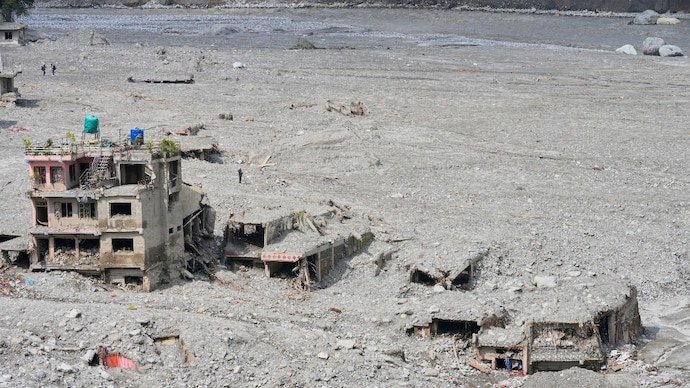
A new scientific analysis has linked human-caused warming to the conditions that may have destabilised a Himalayan slope before a massive rock-and-ice collapse triggered the deadly Nepal-Tibet disaster on August 26. The event killed more than 1,300 people, while thousands were reported missing.
Researchers found that roughly 2 sq km of rock wall and glacier ice broke away at an altitude of about 5,150 metres and plunged nearly 1,400 metres into the valley. The collapse generated seismic waves that initially resembled an earthquake before the source was identified as a massive avalanche. The debris then transformed into a powerful flood that travelled rapidly through the Trishuli River corridor.
The analysis found that warming may have contributed to long-term instability by shrinking glaciers and thawing permafrost. Researchers estimated that the altitude of permanently frozen ground has been rising by around 100 metres per decade. The Langtang Lirung glacier has also retreated by roughly 500 metres since the 1990s, exposing previously ice-covered rock.
July and August 2026 were also among the warmest such months recorded locally.
The findings come as Nepal seeks international support for climate-related losses, including a $20 million request from the UN Loss and Damage Fund. Scientists warn that continued Himalayan warming could increase risks from landslides, rockfalls and glacial lake floods.