NSE IPO: Top Shareholders Cut Stake Sale, Expect Better Valuation After Listing
Major NSE shareholders have reduced the number of shares they plan to sell in the IPO, betting that the exchange could command a higher valuation in the secondary market after listing.
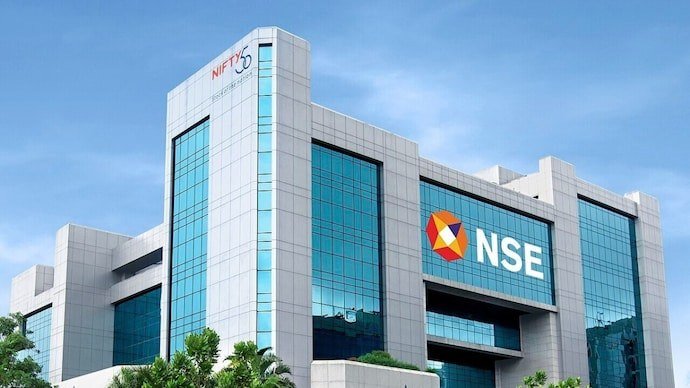
Several major shareholders of the National Stock Exchange have reduced the number of shares they plan to sell through the exchange's upcoming initial public offering, reflecting expectations that the stock could command a higher valuation after listing.
The NSE IPO is expected to carry a price band of Rs 1,700 to Rs 1,785 per share and will be entirely an offer for sale by existing shareholders. The exchange itself will not issue fresh shares as part of the offering. At the upper end of the price band, the issue would value NSE at around Rs 22,600 crore.
The overall size of the offering has been reduced to around 5.2% of NSE's total equity capital from the earlier plan of 6%. The number of shares being offered has also been cut to approximately 12.6 crore from 14.9 crore.
National Insurance Company of India, General Insurance Corporation, Stock Holding Corporation, MS Strategic Mauritius, a Morgan Stanley fund and Singapore-based Mahogany Ltd are among the shareholders that have reduced their proposed stake sales. Bank of Baroda and Indian Bank have also lowered their planned offerings through disclosures to the stock exchanges.
The lower-than-expected IPO price band is understood to be a key reason behind the decision. Some shareholders appear to believe they could receive a better valuation by selling their shares in the secondary market after the exchange is listed rather than selling a larger portion through the IPO.
Unlisted NSE shares have recently been changing hands at around Rs 2,000 to Rs 2,100 apiece in the informal market. This is above the expected IPO price range and has strengthened the incentive for some existing shareholders to retain more of their holdings and potentially benefit from a higher post-listing price.
NSE's expected valuation has also been affected by changes in market regulations and trading activity. More than 60% of the exchange's revenue comes from transaction charges linked to options trading, making derivatives volumes particularly important to its business.
Tighter rules governing retail participation in the options market, higher taxes on derivatives trading and restrictions on bank funding have affected trading activity. The introduction of a closing auction session has also been cited as a factor weighing on market volumes.
NSE's options turnover declined by more than 12% year-on-year in August. The fall in derivatives activity has raised concerns about the exchange's revenue growth and valuation, particularly because of its significant dependence on options-related transaction charges.
Despite these concerns, the planned IPO would rank among India's largest public offerings. At the upper end of the proposed price band, the NSE issue would be valued at around Rs 22,600 crore, placing it behind the expected Reliance Jio IPO and Hyundai Motor India's $3.3-billion offering in 2024.
Because the NSE issue is an offer for sale, the money raised will go to existing shareholders selling their stakes rather than to NSE as fresh capital. The reduction in the number of shares offered indicates that some shareholders are willing to wait for the public listing in the expectation that the exchange could attract a higher market valuation.