


- March 02, 2026
Budget 2026: Vedanta Calls for Policy Incentives to Unlock Low-Grade Iron Ore Beneficiation
Vedanta urges Budget 2026 support for low-grade iron ore beneficiation to boost steel supply, jobs, and mining-led growth.
- January 25, 2026
- in Business
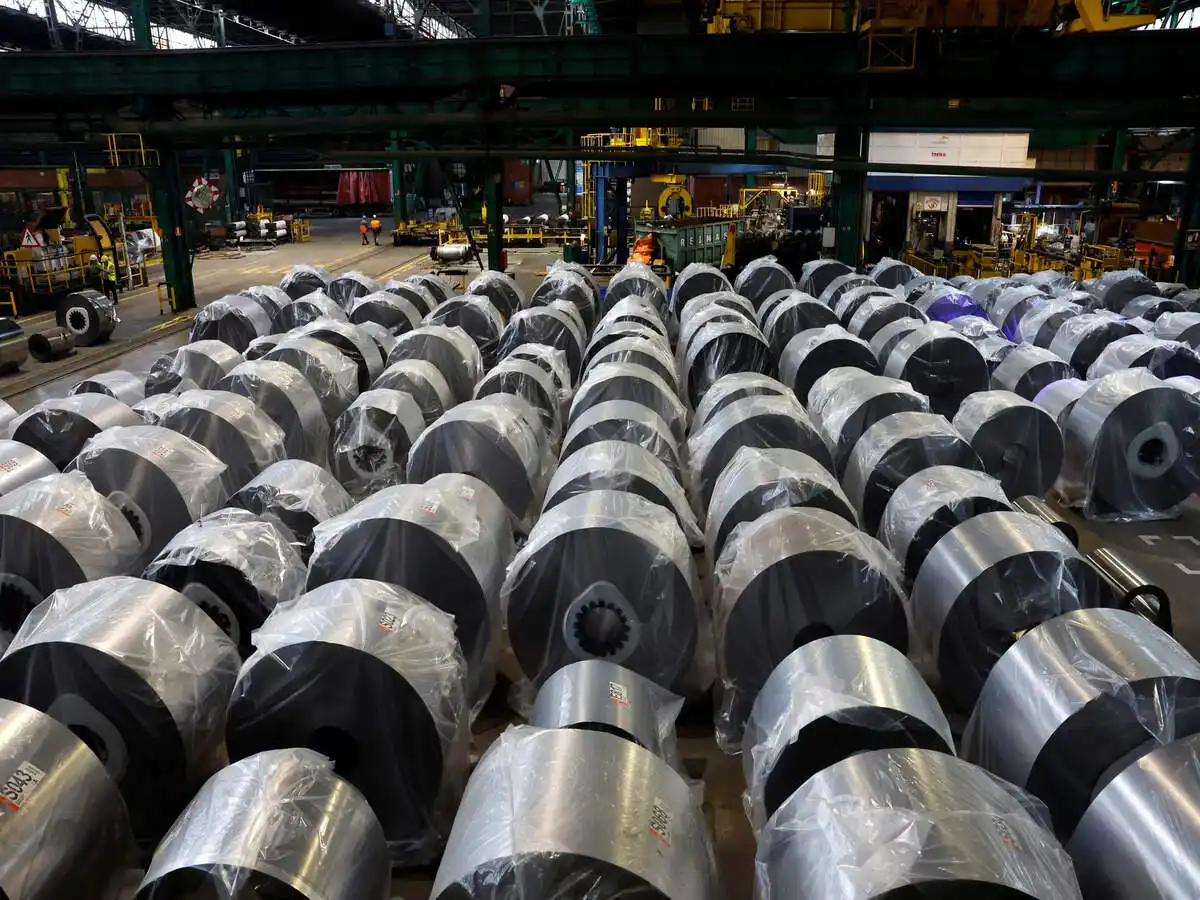
Ahead of the Union Budget 2026, Vedanta has urged the government to introduce targeted policy incentives and infrastructure support to accelerate low-grade iron ore beneficiation, arguing that such measures could unlock vast underutilised mineral reserves and strengthen India’s steel ecosystem.
Vedanta’s iron ore mining arm Sesa Goa highlighted that beneficiation—the process of upgrading low-quality ore by removing impurities such as silica, alumina, and phosphorus—can significantly increase iron content, making the material suitable for steel production. Industry leaders say this is increasingly important as India’s steel demand is projected to rise sharply in the coming years.
With domestic steel consumption expected to reach around 300 million tonnes by 2030, companies argue that unlocking low-grade iron ore reserves through beneficiation could bolster supply security, reduce import dependence, and support long-term growth in the metals sector. The process could also create substantial employment, stimulate ancillary industries, and generate additional revenue for the exchequer through higher mining output and exports.
At present, India’s higher-grade iron ore largely meets domestic requirements, while massive low-grade stockpiles remain underexploited. According to industry estimates, more than 300 million tonnes of low-grade iron ore are lying at mine heads across the country, constrained by high upfront capital costs for beneficiation plants and inadequate evacuation infrastructure.
Sesa Goa CEO Navin Jaju said that without fiscal incentives and supportive duty structures, beneficiation projects struggle to achieve economic viability. He emphasised the need for a favourable policy framework, including rationalised duties, tax incentives, and faster regulatory clearances, to encourage long-term investments in processing capacity. “There is an urgent need for a beneficial duty or incentive structure to convert low-grade material into higher-grade feedstock for domestic steel production,” Jaju said, adding that such reforms would help transform what is currently treated as waste into a strategic resource.
He also argued against imposing export duties on low-grade iron ore, stating that India has abundant reserves and does not require restrictive levies. According to industry players, allowing freer pricing and movement of low-grade ore—alongside strong domestic beneficiation—would improve competitiveness while ensuring priority supply for Indian steelmakers.
The call for reform has gained traction across the mining and metals ecosystem, with industry associations advocating measures such as tax credits, subsidised financing, and infrastructure investment to fast-track beneficiation projects. Steel producers, facing volatile global prices and supply uncertainties, see improved access to beneficiated ore as critical to sustaining output and advancing the government’s Atmanirbhar Bharat vision in metals and manufacturing.
India produced nearly 289 million tonnes of iron ore in FY25, with exports touching record levels. However, beneficiation capacity remains limited—estimated at under 20% of potential—highlighting a significant gap between resource availability and processing capability. Industry leaders are now urging the government to announce a clear, time-bound roadmap in Budget 2026 to incentivise beneficiation and convert low-grade reserves into a long-term growth driver for the steel and mining sectors.
you may also like
- March 02, 2026
Middle East Tensions: Impact on India Trade & Oil
- March 02, 2026
Intel CEO Warns of Huawei’s Chip Talent Push

- February 28, 2026
Amazon to Invest $50B in OpenAI, Expands AWS Tie-Up
- February 28, 2026