


- March 02, 2026
Intel CEO Warns of Huawei’s Chip Talent Push
Intel CEO Lip-Bu Tan says he was shocked to learn Huawei hired over 100 CPU architects, warning China is rapidly narrowing the semiconductor gap.
- March 02, 2026
- in Business
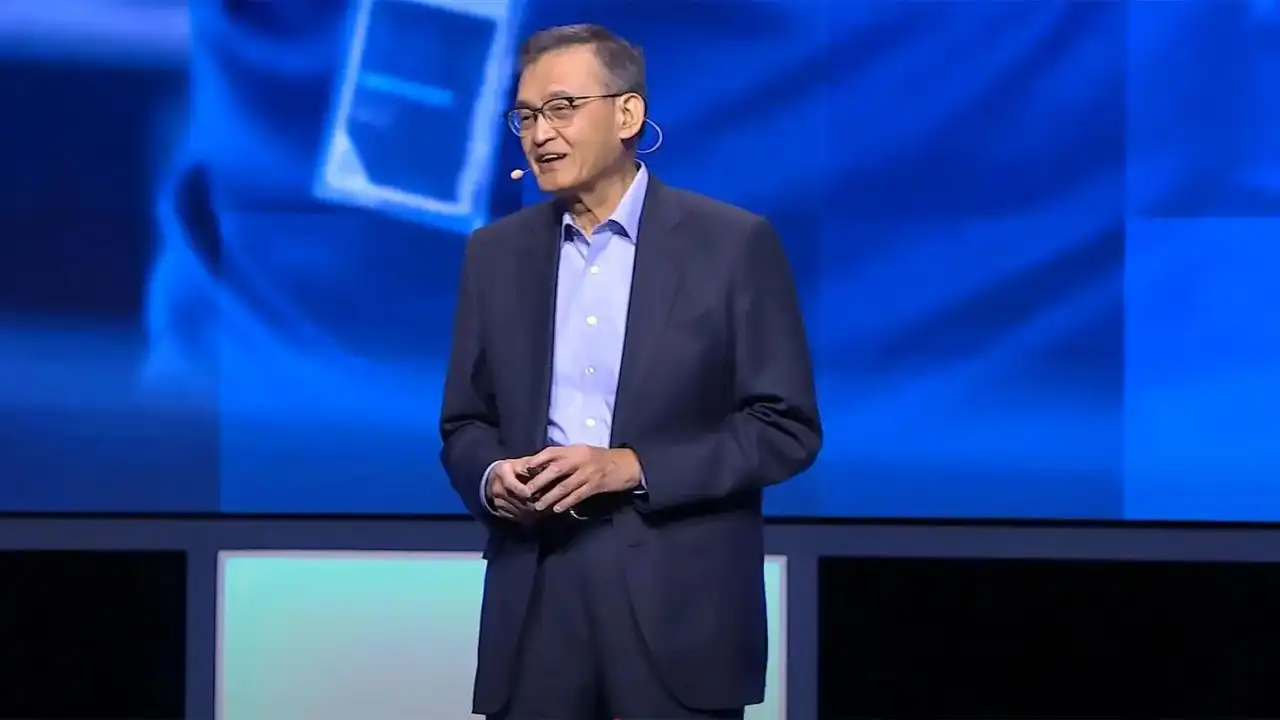
Lip-Bu Tan, CEO of Intel, has raised concerns about China’s rapid progress in semiconductor development, saying he was “shocked” to discover that Huawei has hired more than 100 top CPU architects.
Speaking at Intel’s second annual AI Summit on February 3, Tan said he came across Huawei’s hiring strategy while trying to recruit senior chip designers himself. According to Tan, some engineers told him that despite lacking access to leading electronic design automation (EDA) tools from companies such as Cadence Design Systems and Synopsys, they were building alternative methods internally.
Building Without Advanced Tools
Tan also referred to advanced lithography machines made by ASML, which Chinese firms cannot legally access due to export restrictions.
He said the engineers indicated they were working on domestic alternatives to such technologies.
Huawei has faced US sanctions since 2020, limiting its access to advanced chipmaking equipment and global suppliers. Before sanctions, the company reportedly spent billions annually on chips from firms including Samsung Electronics and SK Hynix.
Closing the Semiconductor Gap
Tan warned that China is narrowing the semiconductor gap faster than expected. While the United States leads in cutting-edge process nodes such as 2-nanometer chips, he said Chinese firms are maximising older technologies like 7-nanometer nodes through system-level engineering and software optimisation.
He also pointed to regulatory speed in China as a potential advantage. According to Tan, approvals for infrastructure projects — including AI data centres — can move more quickly there compared to the US.
AI and Open-Source Concerns
Tan referenced the emergence of DeepSeek as a wake-up call for the US technology sector. He added that some industry insiders believe the US may be trailing China in certain areas of open-source AI development.
He stressed the need for continued investment and policy support to maintain technological leadership.
Huawei’s Next Moves
Huawei has grown significantly in recent years and now employs more than 200,000 people globally. The company is expected to unveil a new Kirin chipset at an event in Madrid later this month.
Tan’s remarks suggest that global competition in semiconductors and artificial intelligence is intensifying. He cautioned against complacency, saying sustained effort is needed to protect the US chip industry’s edge.
you may also like


- March 02, 2026
Middle East Tensions: Impact on India Trade & Oil

- February 28, 2026
Amazon to Invest $50B in OpenAI, Expands AWS Tie-Up
- February 28, 2026
New GDP Series Lifts FY26 Growth Estimate to 7.6%

- February 28, 2026