


- March 02, 2026
West Asia Crisis May Raise India’s Trade Costs
West Asia tensions after US-Israel strikes on Iran may disrupt Strait of Hormuz shipping, raising freight, insurance costs and India’s oil import bill.
- March 02, 2026
- in Business
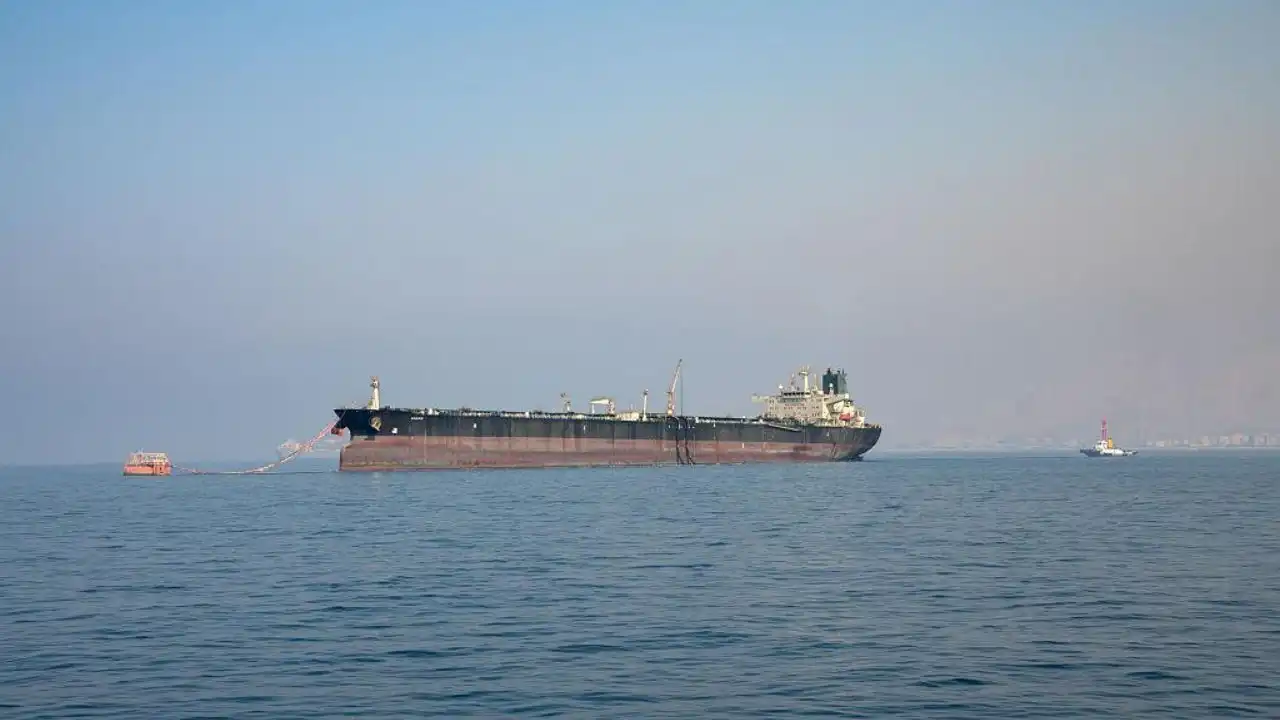
Rising tensions in West Asia following military strikes by the United States and Israel on Iran may disrupt global trade routes and increase costs for Indian importers and exporters, according to experts and trade bodies.
Industry representatives say prolonged instability could delay cargo shipments, push up freight and insurance premiums, and lead to a spike in global crude oil prices — directly affecting India’s import bill.
Strait of Hormuz in Focus
A key concern is the reported disruption of maritime traffic through the Strait of Hormuz, a narrow 33-kilometre passage connecting the Persian Gulf to the Arabian Sea.
Estimates suggest that roughly 35–50% of India’s crude oil imports and a substantial portion of its LNG supplies transit through this strategic route. Major Gulf suppliers include Saudi Arabia, the UAE, Qatar, Kuwait and Iraq.
Trade think tank Global Trade Research Initiative (GTRI) said any disruption could significantly raise shipping and insurance costs, while also driving up global oil prices.
Impact on Oil and Inflation
According to GTRI founder Ajay Srivastava, a sharp increase in crude prices could widen India’s current account deficit and fuel domestic inflation.
Some analysts have warned that if tensions escalate further, oil prices could surge substantially, increasing pressure on India, which imports more than 80% of its crude requirements.
Refiners may explore alternative routes or suppliers, including Russia, the US, West Africa and Latin America. However, these options involve longer transit times and higher logistics expenses.
Shipping Routes Under Stress
Beyond Hormuz, exporters are also monitoring the Bab-el-Mandeb Strait, a critical maritime link between the Red Sea and the Indian Ocean.
If security concerns persist, vessels bound for Europe and the United States may need to reroute around the Cape of Good Hope. Industry estimates suggest this diversion could add 15–20 days to transit times.
The Federation of Indian Export Organisations (FIEO) said airlines are altering flight paths and maritime trade across key Gulf routes faces uncertainty.
Higher fuel costs are also expected to increase input expenses for exporters in sectors such as leather and footwear.
Trade with GCC Nations
While India’s direct trade with Iran remains limited due to sanctions, its trade with Gulf Cooperation Council (GCC) countries has grown steadily.
The Gulf Cooperation Council includes Saudi Arabia, the UAE, Qatar, Kuwait, Oman and Bahrain.
India’s exports to GCC countries reached around $57 billion in 2024–25, while imports stood at approximately $121.7 billion. Bilateral trade between India and the bloc has continued to expand in recent years.
The UAE was India’s third-largest trading partner in the last fiscal year. India has already implemented a free trade agreement with the UAE and concluded a Comprehensive Economic Partnership Agreement with Oman.
Broader Economic Risks
Trade experts have cautioned that a prolonged conflict could also affect remittances from the nearly 10 million Indians working in GCC countries.
Additionally, ongoing negotiations for a broader free trade agreement with the GCC bloc may slow if instability continues.
Recent trade data shows India’s imports surged in January, driven by higher gold and silver purchases, while exports saw only marginal growth. Any additional rise in oil prices could further widen the trade deficit.
For now, exporters say they are closely monitoring freight availability, insurance pricing and route adjustments. Much will depend on how long the regional tensions persist and whether major shipping corridors remain operational.
you may also like

- March 02, 2026
Intel CEO Warns of Huawei’s Chip Talent Push

- February 28, 2026
Amazon to Invest $50B in OpenAI, Expands AWS Tie-Up
- February 28, 2026
New GDP Series Lifts FY26 Growth Estimate to 7.6%

- February 28, 2026