


- March 03, 2026
Cuba Faces Fuel, Food Crisis Amid US Pressure
Cuba struggles with fuel shortages, blackouts and food supply issues as US sanctions and oil supply disruptions deepen the crisis.
- February 17, 2026
- in International
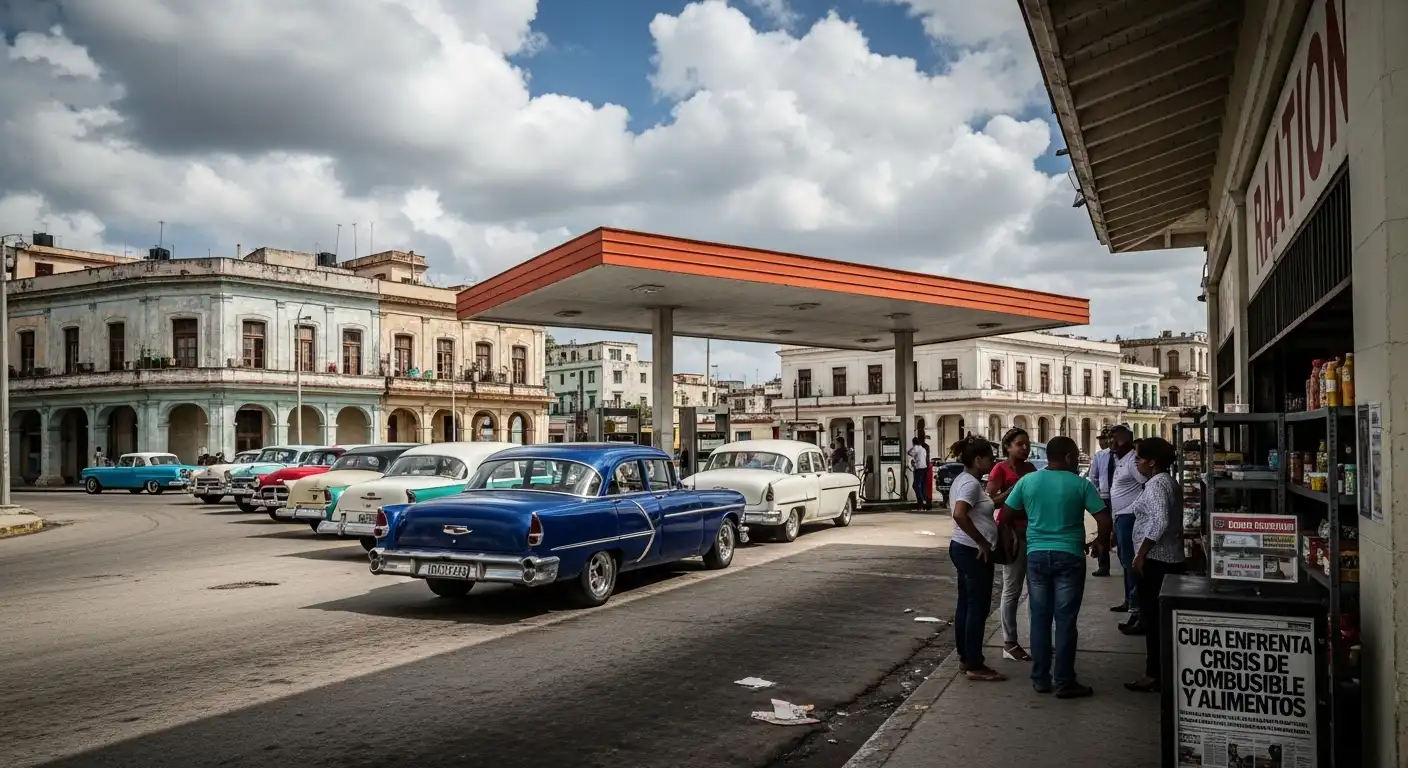
Cuba is facing a deepening economic and fuel crisis as pressure from the United States intensifies, affecting transportation, food supply and public services across the island.
For more than six decades, the US has maintained an embargo on Cuba, limiting trade and diplomatic ties. Recent measures under US President Donald Trump have added to the strain, according to official statements and international reports.
Rising US Pressure
In January 2026, President Trump signed an executive order targeting countries that trade with Cuba, warning of potential tariffs. Similar measures have reportedly been issued against Venezuela and Russia.
While speaking to reporters aboard Air Force One, Trump criticised Cuba’s communist government and said the US was in talks with the country. He declined to confirm any plans for regime change.
Fuel Shortages Worsen
Cuba’s current crisis has been largely linked to fuel shortages.
According to a Reuters report citing Cuban media, only 44 out of 106 garbage trucks in Havana are operational due to a lack of fuel. As a result, waste has begun accumulating in parts of the capital, raising public health concerns.
Residents have taken to social media to highlight the growing garbage problem.
Drivers are also facing long delays at petrol stations. The Cuban government introduced an app-based system to manage fuel queues, but wait times reportedly stretch into the thousands. One resident told the Associated Press he had received a queue number in the “seven thousand” range.
Oil Supply Disruptions
Cuba has historically relied on oil imports from Venezuela. However, after political developments in Caracas and reported US actions affecting Venezuelan leadership, those supplies were disrupted.
Cuba then turned to Mexico as an alternative supplier. Reports indicate that Mexico later halted oil shipments following US tariff threats.
Cuba’s deputy foreign minister accused the United States of using coercive measures to discourage countries from supplying fuel to the island. In a statement posted on social media platform X, he said fuel shortages were affecting transport, medical services, schooling, food production and overall living standards.
Impact on Food and Electricity
The fuel crisis has extended beyond transportation.
The United Nations World Food Programme (WFP) has warned that limited fuel availability is affecting its operations in Cuba. Étienne Labande, WFP’s country director, told The Guardian that access to fresh produce in cities is already being impacted.
Energy generation has also suffered, resulting in prolonged blackouts across parts of the country. Some public events, including a book fair and an annual cigar trade fair, have reportedly been postponed due to electricity and fuel constraints.
International Reaction
A group of United Nations human rights experts criticised the US oil-related measures, stating that such actions constitute unilateral steps that may conflict with international law. They argued that the restrictions have broader humanitarian consequences.
A Nation Under Strain
Cuba’s economic challenges are not new, but recent developments have intensified daily hardships for many citizens. With limited access to fuel, rising waste accumulation, blackouts and food distribution challenges, essential services are under pressure.
As diplomatic tensions continue, the situation remains fluid. Officials from both sides have indicated that discussions are ongoing, but no clear resolution has been announced.
you may also like

- March 02, 2026
Trump Says Iran Operations May Last 4–5 Weeks

- March 02, 2026
How Switzerland Became the World’s Most Nuclear-Ready Nation
- March 02, 2026
Middle East War Escalates; Oil, Air Travel Hit
- March 02, 2026