


- March 01, 2026
Heart Surgeon Warns: Excess Sugar Can Damage Your Heart, Shares 3 Fixes
HeartSugar
- January 06, 2026
- in Education
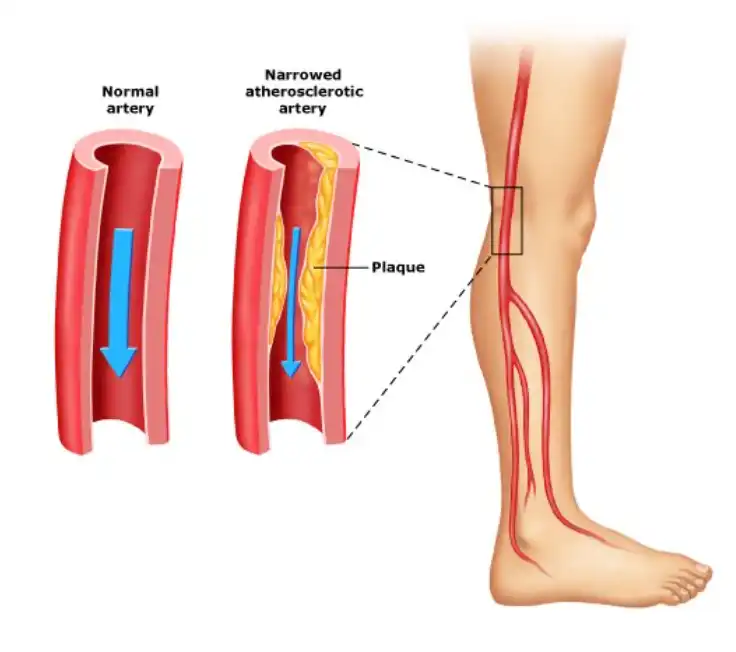
Excess sugar doesn’t just impact weight or diabetes risk — it can quietly damage the heart over time. According to Dr Jeremy London, a board-certified cardiothoracic surgeon with over 25 years of experience, frequent sugar overloads place direct stress on the cardiovascular system and raise the risk of long-term heart disease.
How sugar damages heart health
Dr London explains that while blood sugar levels naturally rise after meals, problems begin when high sugar intake becomes routine. Repeated spikes force the body to release more insulin. Over time, cells stop responding efficiently — a condition known as insulin resistance.
When sugar lingers in the bloodstream:
-
The inner lining of blood vessels (endothelium) gets damaged
-
Inflammation increases
-
Nitric oxide levels fall, reducing vessel flexibility
-
Arteries become stiffer, raising cardiovascular strain
This chain reaction significantly increases the risk of high blood pressure, atherosclerosis and heart disease.
3 practical ways to reduce sugar intake
1. Cut foods with added sugar
Packaged and processed foods often contain hidden sugars. Dr London advises reading labels carefully and limiting sugary drinks, calling them the biggest contributors to blood sugar spikes.
2. Burn the sugar you eat
Physical movement helps the body manage glucose better. “Muscle is the best glucose sink,” he explains. Walking, strength training, or light activity after meals helps prevent excess sugar from staying in the bloodstream.
3. Increase protein and fibre
Protein and fibre slow glucose absorption, reduce insulin spikes and improve satiety. Including them in meals can stabilise blood sugar and protect long-term heart health.
Disclaimer: This content is based on publicly shared information and is for general awareness only. It is not a substitute for professional medical advice.
you may also like


- February 27, 2026
MR Round Table 2026 Focuses on Academic Excellence

- February 27, 2026
IIM Indore Launches AI Programme for Professionals

- February 26, 2026
Why IPAG’s DBA Is Emerging as a Strategic Leadership Degree

- February 24, 2026