


- March 09, 2026
IMF warns Iran conflict could raise global inflation
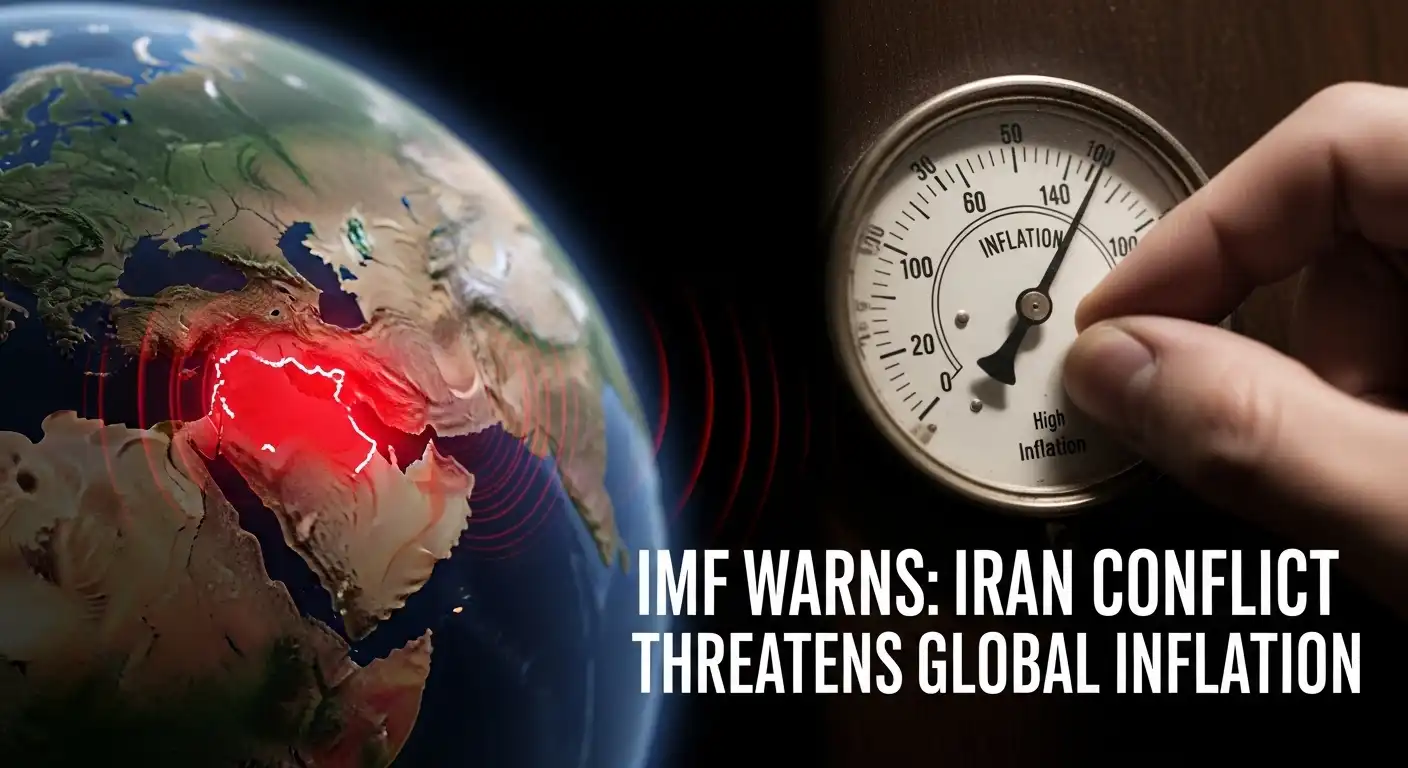
IMF chief Kristalina Georgieva warns rising oil prices from the Iran conflict could push global inflation higher.
- March 09, 2026
- in Business
Advertisement

The International Monetary Fund (IMF) has cautioned that the ongoing conflict involving Iran could have wider economic consequences, particularly through rising crude oil prices.
IMF Managing Director Kristalina Georgieva said that sustained increases in oil prices could contribute to higher global inflation.
Speaking at a symposium hosted by Japan’s finance ministry on Monday, Georgieva said policymakers must prepare for economic risks emerging from the evolving geopolitical situation.
“We are seeing resilience tested again by the new conflict in the Middle East,” Georgieva said during her remarks.
Oil prices could drive inflation higher
According to the IMF chief, a 10% rise in crude oil prices, if it continues for a sustained period, could lead to about a 40 basis-point increase in global inflation.
A basis point is one-hundredth of a percentage point and is commonly used to measure changes in economic indicators.
The warning comes as crude oil prices have risen sharply amid tensions in the Middle East, raising concerns about potential disruptions to global energy supplies.
Higher oil prices often increase transportation and production costs worldwide, which can eventually lead to higher consumer prices.
Call for economic preparedness
Georgieva urged policymakers around the world to prepare for unexpected economic shocks during uncertain geopolitical conditions.
“My advice to policymakers in this new global environment is to think of the unthinkable and prepare for it,” she said.
Her comments reflect growing concern among global financial institutions that geopolitical tensions could have broader effects on economic stability.
Global markets watching energy prices
The IMF’s remarks come as global markets closely monitor developments in the Middle East and their potential impact on energy markets.
Analysts say sustained increases in crude oil prices could affect economic growth, inflation levels and financial markets in several countries.
For energy-importing economies, rising fuel prices can place additional pressure on government budgets, trade balances and household expenses.
Economic experts note that developments in the energy market often influence global inflation trends, making oil prices a key factor for policymakers and central banks.
Advertisement
you may also like


- March 09, 2026
Iran conflict wipes ₹25 lakh crore from markets
- March 09, 2026
Sensex, Nifty hit 11-month low amid oil price surge

- March 08, 2026
Jio IPO May Miss Timeline Over SEBI Rule Delay

- March 08, 2026