


- March 09, 2026
IndiGo shares fall as oil surge hits airline stocks
Airline stocks including IndiGo and SpiceJet fall sharply as rising crude oil prices linked to the Iran conflict pressure aviation sector costs.
- March 09, 2026
- in Business
Advertisement

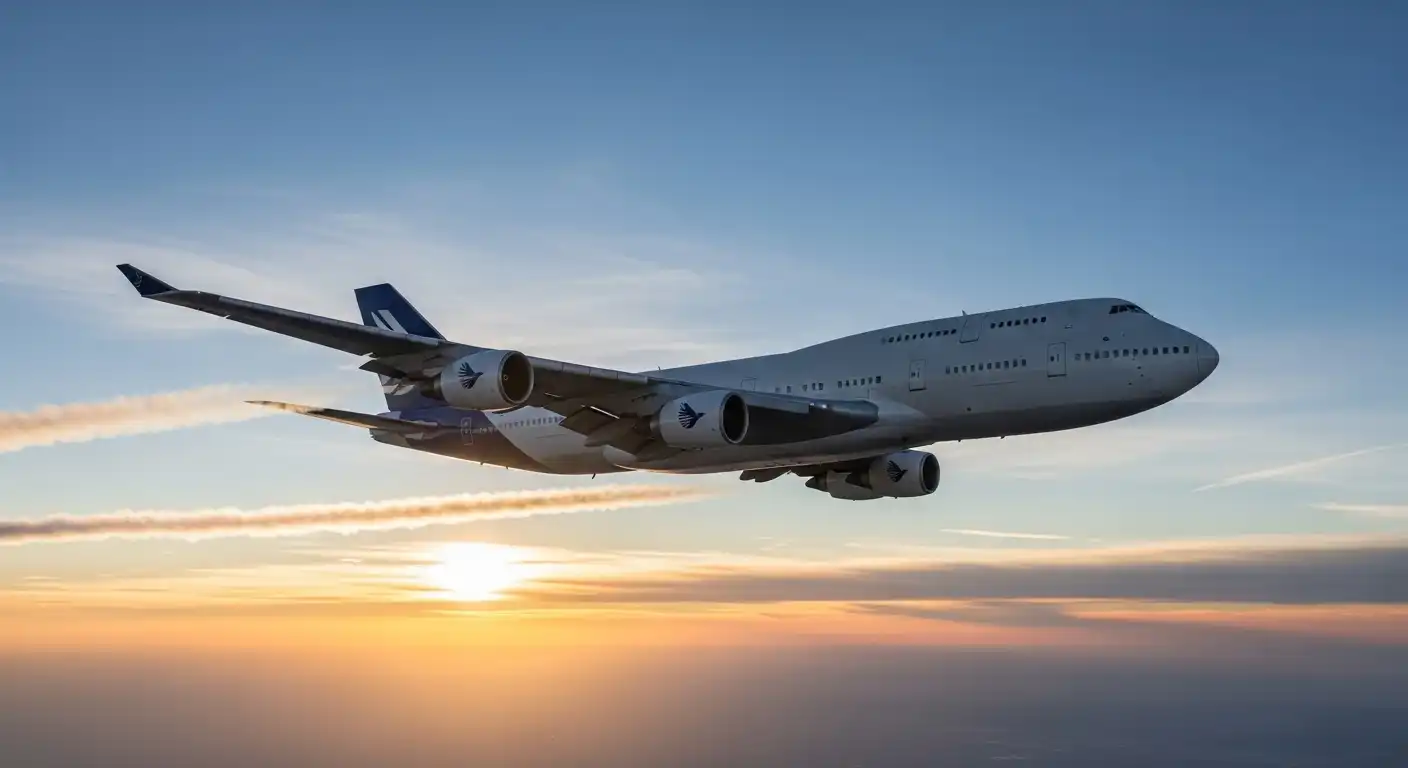
Shares of airline companies came under pressure on Monday as rising crude oil prices linked to the escalating Iran conflict triggered selling across aviation stocks.
Shares of InterGlobe Aviation, which operates IndiGo, fell by about 7.5%, while SpiceJet declined around 5.6% during trading. Investors appeared to reduce exposure to airline companies due to concerns about higher fuel costs.
The decline reflects growing uncertainty in the aviation sector as oil prices surge and geopolitical tensions disrupt global travel routes.
Fuel prices weigh on airline profitability
Fuel is one of the largest operating expenses for airlines. For Indian carriers, aviation fuel generally accounts for 20–25% of total operating costs, making airlines highly sensitive to changes in crude oil prices.
Crude oil prices reportedly rose nearly 20% in early trading, reaching levels last seen in mid-2022. The surge has been driven by concerns about supply disruptions and shipping risks linked to the conflict in the Middle East.
When crude prices rise, aviation turbine fuel typically becomes more expensive, putting pressure on airline profit margins.
Subhas Menon, director general of the Association of Asia Pacific Airlines, told Reuters that jet fuel prices often increase faster than crude oil due to limited supply.
He added that airlines are also facing operational challenges, including longer flying routes and increased costs when airspace restrictions are imposed.
Global airline stocks also affected
The impact of rising fuel costs has not been limited to Indian airlines. Aviation stocks across Asia also declined amid growing uncertainty.
Shares of airlines such as Qantas Airways, Cathay Pacific, Japan Airlines, and several Chinese carriers reportedly dropped between 4% and over 10% during trading.
Industry analysts say geopolitical tensions and volatile energy prices have increased uncertainty for airline operators worldwide.
Brendan Sobie, a Singapore-based aviation analyst, noted that the operating environment for airlines in Asia has become more challenging due to rising costs and ongoing geopolitical risks.
Flight disruptions and airspace restrictions
The conflict has also disrupted major air travel corridors between Asia and Europe.
Airlines have been forced to reroute flights to avoid conflict zones, which often requires longer routes, additional fuel loads, or refuelling stops.
Major Gulf aviation hubs operated by Emirates, Qatar Airways and Etihad Airways have reportedly faced operational pressures due to reduced airspace access and rising demand for alternative travel routes.
According to aviation analytics firm Cirium, more than 37,000 flights to and from the Middle East have been cancelled since February 28, when the conflict began.
Changing travel patterns
The disruption has also created opportunities for some airlines.
India’s national carrier Air India has added several direct flights to destinations in Europe and North America in response to increased demand for routes that bypass Gulf transit hubs.
The airline is reportedly operating additional services until at least March 18 to accommodate passengers seeking alternative travel options.
Aviation sector faces uncertain outlook
Industry experts say airlines may continue to face pressure if crude oil prices remain elevated or if geopolitical tensions persist.
Higher fuel costs, longer routes and operational disruptions could affect airline profitability and investor sentiment in the coming months.
For now, market participants are closely watching energy prices and developments in the Middle East to assess the potential long-term impact on the global aviation sector.
Advertisement
you may also like

- March 09, 2026
Iran conflict wipes ₹25 lakh crore from markets

- March 09, 2026
Sensex, Nifty hit 11-month low amid oil price surge

- March 08, 2026
Jio IPO May Miss Timeline Over SEBI Rule Delay

- March 08, 2026