


- March 03, 2026
Iran Protests: Man’s Final Plea to Trump Before Death Reignites Debate on US-Iran Talks
An Iranian man’s final message urging the US to abandon talks with Tehran highlights the human cost of protests and diplomacy.
- February 10, 2026
- in International
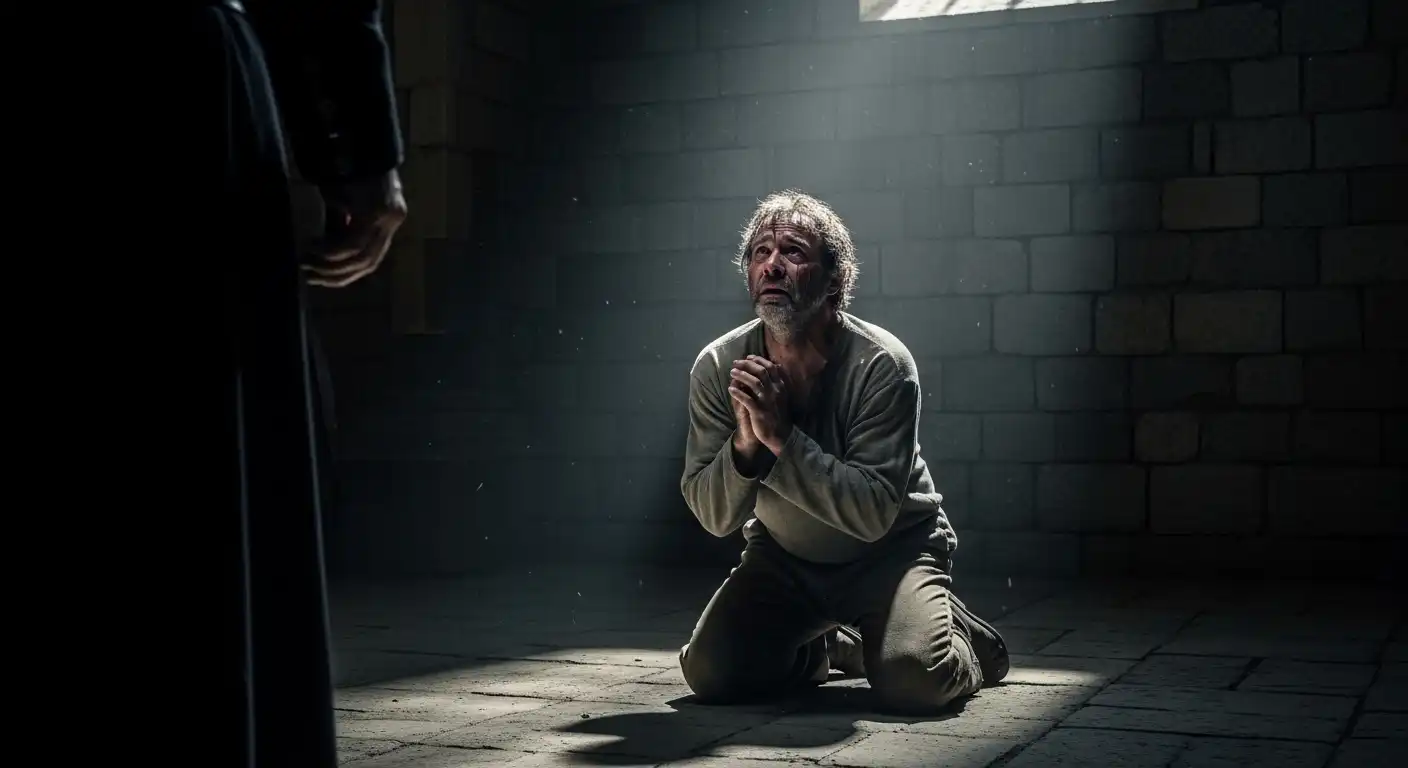
A deeply unsettling video message from Iran has reignited global debate over diplomacy, human rights, and the true human cost of geopolitical negotiations. A 28-year-old Iranian man, identified as Pouria Hamidi from the southern port city of Bushehr, recorded a final appeal addressed directly to former US President Donald Trump, urging Washington to abandon any renewed engagement with Iran’s ruling establishment. Shortly after recording the message, Hamidi allegedly died by suicide.
The video, reportedly around ten minutes long and delivered in English, has since circulated widely on social media and international platforms, drawing sharp reactions from policymakers, activists, and ordinary citizens alike.
A Plea Born From Protest and Despair
In his message, Hamidi claimed he was speaking on behalf of thousands of Iranians who, according to him, were killed during recent waves of anti-government protests. He framed his appeal as a last attempt to draw global attention to what he described as a brutal and largely ignored crackdown.
“If you’re watching this, then I’m not around anymore,” he said at the start of the recording, setting a grim tone for what followed.
Hamidi alleged that more than 40,000 people had been killed during unrest in Iran—figures that sharply contrast with official and independent estimates. While Iranian authorities have acknowledged over 3,000 deaths, insisting many were security personnel or civilians caught in violence, independent rights groups abroad have cited significantly higher numbers, including thousands of protesters and tens of thousands of arrests.
Opposition Politics and the Call for Intervention
In the video, Hamidi openly expressed support for Prince Reza Pahlavi, an exiled opposition figure and son of Iran’s last monarch. He argued that internal resistance alone was insufficient to dismantle the current system and claimed that external intervention was the only remaining option.
“America attacking Iran is the only hope we have,” he said, insisting that negotiations would amount to a betrayal of those who had already lost their lives.
He also referenced past statements by Trump that encouraged Iranian protesters, suggesting that renewed nuclear talks had crushed the expectations of those who believed international pressure would intensify rather than soften.
Diplomacy Versus Human Rights
Hamidi’s appeal comes at a sensitive moment. The United States has been exploring renewed diplomatic engagement with Tehran, focusing primarily on nuclear issues and regional stability. Human rights concerns, while acknowledged, have not appeared to be the central pillar of these discussions.
This imbalance has long been criticised by activists, who argue that diplomatic pragmatism often sidelines civilian suffering. Hamidi’s video has now become a symbol for that argument, even as experts caution against unverified claims and the dangers of glorifying extreme acts.
A Viral Message, a Lasting Question
The circulation of the video has once again highlighted how individual voices—amplified through social media—can disrupt official narratives and force uncomfortable questions onto the global stage. Yet it also raises ethical concerns about how such content is shared, interpreted, and politicised.
While governments debate sanctions, talks, and strategies, the story underscores a sobering reality: behind every policy shift lie personal lives shaped by hope, fear, and, sometimes, irreversible despair.
For the international community, the episode serves as a reminder that diplomacy is never abstract. It carries consequences measured not just in treaties and timelines, but in human lives.
you may also like

- March 02, 2026
Trump Says Iran Operations May Last 4–5 Weeks
- March 02, 2026
How Switzerland Became the World’s Most Nuclear-Ready Nation
- March 02, 2026
Middle East War Escalates; Oil, Air Travel Hit
- March 02, 2026