


- March 03, 2026
Iran-US Tensions Escalate as Khamenei Reportedly Moves to Underground Bunker Amid US Military Warnings
Iran-US tensions rise as reports claim Supreme Leader Khamenei has taken shelter underground amid US warnings and warship movements.
- January 25, 2026
- in International
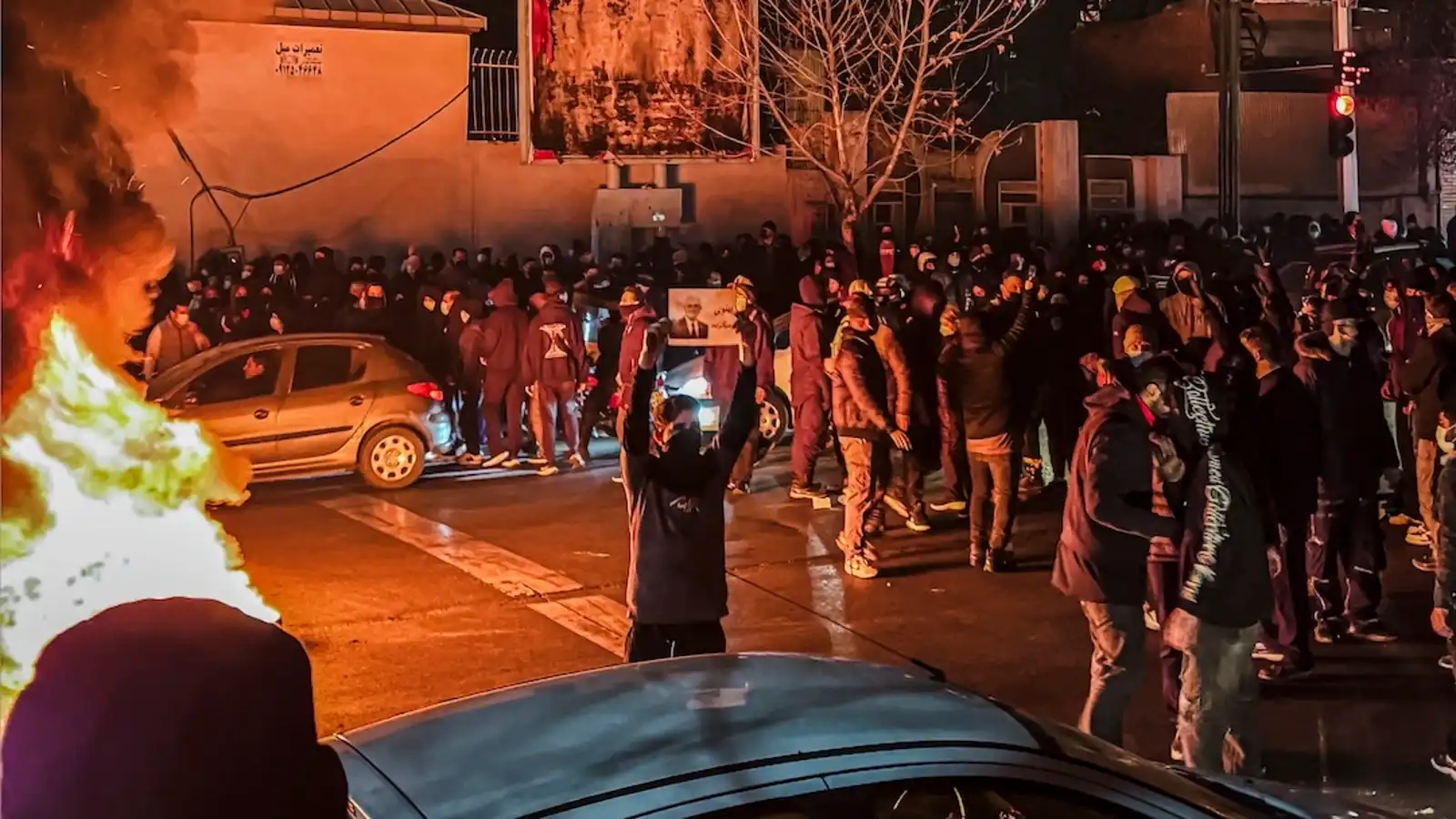
Tensions between Iran and the United States have intensified sharply, with reports indicating that Iran’s Supreme Leader Ali Khamenei has relocated to a fortified underground bunker in Tehran amid fears of a potential US military strike.
According to sources cited by Iran-focused international media, the secure facility includes a network of interconnected tunnels designed to withstand aerial or missile attacks. The move reportedly followed fresh warnings issued by Donald Trump, who said American warships were being positioned closer to the region “just in case” military action becomes necessary.
Officials familiar with the situation said that Masoud Khamenei, the Supreme Leader’s third son, has assumed responsibility for managing day-to-day affairs of his father’s office. He is reportedly acting as the primary channel of communication between the Supreme Leader and Iran’s executive branches while Khamenei remains underground.
The developments come as Iran grapples with widespread unrest following weeks of nationwide protests that erupted after the collapse of the country’s currency. Authorities imposed a sweeping internet blackout on January 8, cutting off most of Iran’s population from global connectivity. While internet access was briefly restored for about half an hour over the weekend, it was quickly shut down again, with officials citing technical complications.
Iranian authorities have indicated that full internet services may be restored soon, though no definitive timeline has been confirmed. Meanwhile, the prolonged blackout has drawn criticism from within Iran itself, with government-linked voices warning that extended restrictions could deepen public dissatisfaction and widen the gap between citizens and the state. The internal unrest has also been accompanied by rising public defiance. During the funeral of a young woman killed in a recent protest crackdown in central Iran, mourners were heard chanting anti-government slogans, underscoring the depth of anger simmering beneath the surface despite heavy security measures.
On the international front, Iran’s military leadership has responded defiantly to US warnings. Senior commanders from the Islamic Revolutionary Guard Corps (IRGC) dismissed Trump’s statements as rhetoric, insisting that Iran is fully prepared to respond to any military action “on the ground.” Iranian officials have warned both the United States and Israel against what they described as miscalculations.
The United States, meanwhile, has confirmed the presence of naval assets in the Indian Ocean, including an aircraft carrier strike group. While Washington has stopped short of announcing any immediate action, the movement of warships and repeated warnings have heightened speculation of a potential escalation.
Human rights groups have also raised alarms over the scale of casualties during Iran’s protest crackdown. While Iranian authorities have released official death figures, international organisations estimate the toll could be significantly higher, deepening global scrutiny of Tehran’s response to dissent.
As diplomatic channels remain strained and military rhetoric intensifies, the situation underscores a volatile standoff between two long-time adversaries. With elections approaching in Iran and domestic pressures mounting, observers warn that the convergence of internal unrest and external threats has created one of the most precarious moments in Iran-US relations in recent years.
you may also like

- March 02, 2026
Trump Says Iran Operations May Last 4–5 Weeks
- March 02, 2026
How Switzerland Became the World’s Most Nuclear-Ready Nation
- March 02, 2026
Middle East War Escalates; Oil, Air Travel Hit
- March 02, 2026