


- March 03, 2026
US Hints at Rolling Back Trump-Era 25% Tariff as India Slashes Russian Oil Imports
The US has signalled a possible rollback of the 25% tariff on India after New Delhi sharply reduced Russian oil imports.
- January 25, 2026
- in International
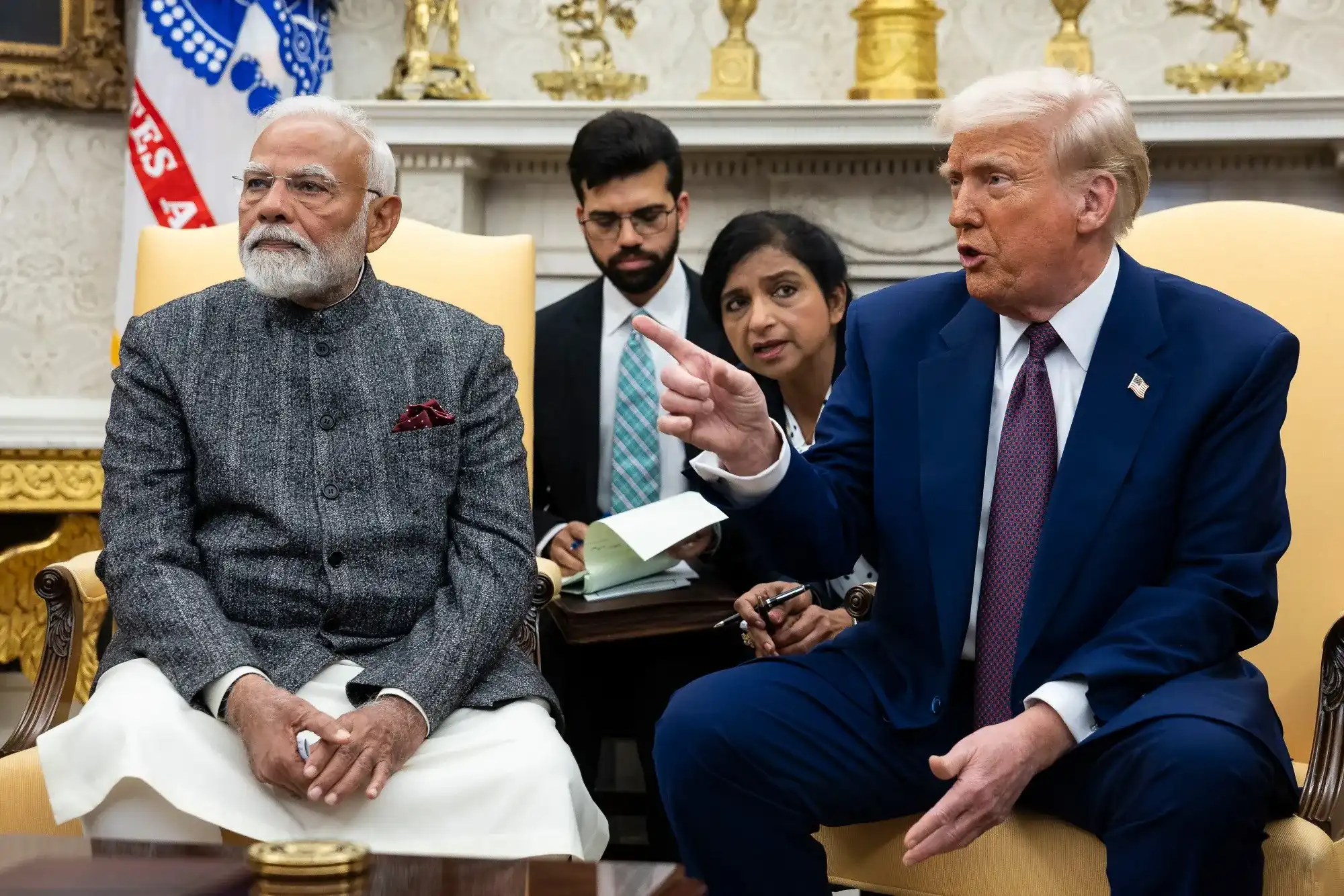
The United States has indicated that it may reconsider the additional 25% tariff imposed on Indian goods during the Trump administration, following a sharp reduction in India’s imports of Russian crude oil. The development signals a potential easing of trade tensions between New Delhi and Washington amid shifting global energy and geopolitical dynamics.
US Treasury Secretary Scott Bessent said recent changes in India’s oil procurement strategy demonstrate that tariff pressure has delivered its intended outcome. According to him, the significant decline in India’s purchases of Russian oil has opened a pathway for the US to reassess the punitive duties introduced earlier.
Speaking in an interview with Politico, Bessent noted that while the tariffs remain formally in place, the sharp fall in Russian oil intake by Indian refiners provides grounds to reconsider them. He described the development as evidence that the tariff policy worked in altering trade behaviour.
The 25% tariff was imposed after India substantially increased its intake of discounted Russian crude following the outbreak of the Ukraine conflict. Prior to the war, Russian oil accounted for just 2–3% of India’s total refinery intake. However, Western sanctions on Moscow pushed Indian refiners to ramp up imports of cheaper Russian oil, driving the share into the high teens and significantly improving refining margins.
According to US officials, that trend has now reversed. Indian refiners have reportedly scaled back Russian crude purchases and diversified their sourcing, increasing imports from West Asia, Africa, and Latin America. The shift, Bessent said, shows that trade pressure influenced India’s energy strategy.
Alongside comments on India, Bessent delivered sharp criticism of several European countries, accusing them of indirectly financing Russia’s war effort. He argued that while European governments publicly opposed Russian energy exports, they continued importing refined petroleum products processed from Russian crude at Indian refineries. He described this practice as contradictory, stating that Europe was effectively supporting the conflict it claimed to oppose.
India has consistently maintained that its energy import decisions are guided by global market conditions, price competitiveness, and national interest. Officials in New Delhi have reiterated that oil sourcing is not politically driven but shaped by prevailing supply dynamics and economic considerations.
The latest US signals come at a time when Indo-US relations are navigating complex trade, energy, and geopolitical challenges. Any rollback of the additional tariff could provide relief to Indian exporters and mark a reset in trade negotiations, even as broader discussions continue around energy security, sanctions, and global supply chains.
As global markets adjust to shifting alliances and evolving energy flows, the potential easing of tariff pressure reflects how economic measures are increasingly intertwined with geopolitical outcomes.
you may also like

- March 02, 2026
Trump Says Iran Operations May Last 4–5 Weeks
- March 02, 2026
How Switzerland Became the World’s Most Nuclear-Ready Nation

- March 02, 2026
Middle East War Escalates; Oil, Air Travel Hit

- March 02, 2026