


- March 01, 2026
Opposition Targets PM Over Iran Silence
Opposition parties criticise PM Narendra Modi over silence on Ayatollah Ali Khamenei’s killing, call it a foreign policy failure; MEA urges restraint.
- March 02, 2026
- in National
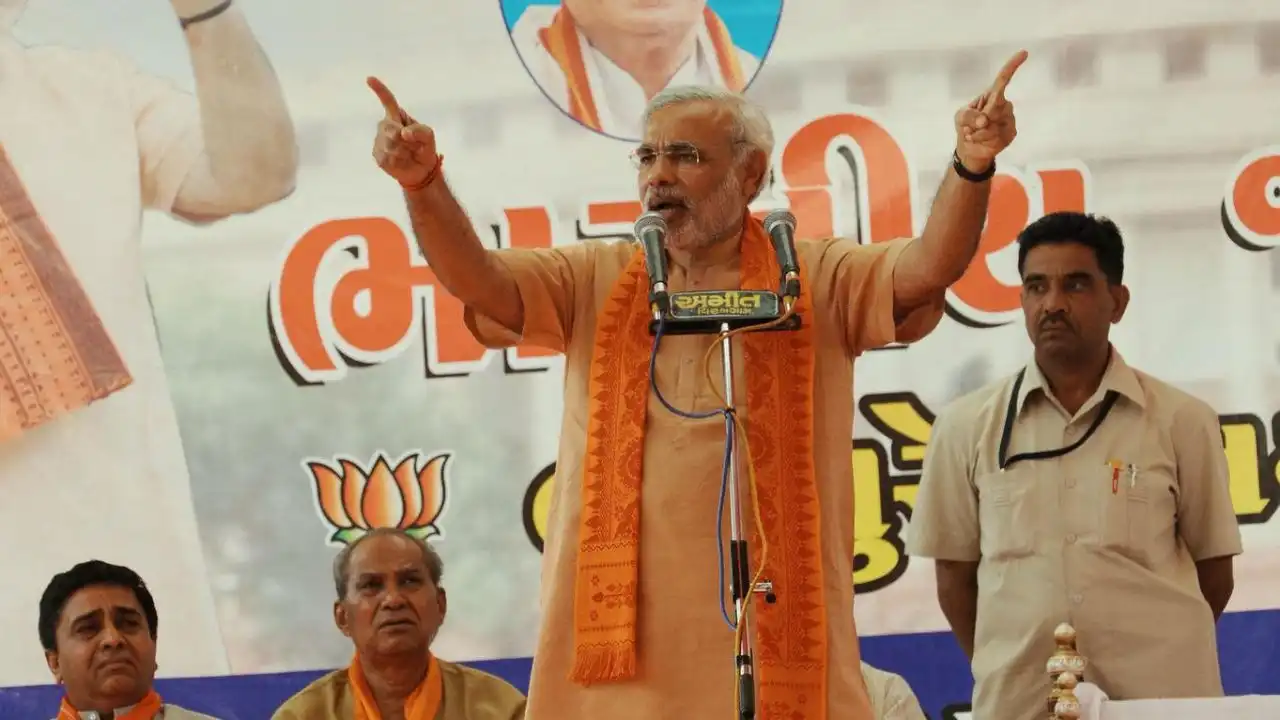
Opposition parties on Sunday criticised Prime Minister Narendra Modi over what they described as the government’s silence on the killing of Iran’s Supreme Leader Ayatollah Ali Khamenei in joint US-Israeli strikes.
The Congress party alleged that the government’s response reflected an “abdication of moral leadership” and a departure from India’s traditional foreign policy stance.
Congress, AAP, SP Attack Government
Congress spokesperson Pawan Khera said on social media that the government’s silence on the targeted assassination of Iranian leaders showed reluctance to criticise the United States and Israel.
Congress general secretary Jairam Ramesh also questioned the timing of recent diplomatic engagements, claiming India’s foreign policy posture stood “exposed” amid the crisis.
Samajwadi Party chief Akhilesh Yadav urged the government to clarify India’s position and outline what diplomatic steps it was taking to promote peace.
AAP leader Sanjay Singh also criticised the Prime Minister, accusing him of failing to speak out on the issue.
The Communist Party of India (Marxist) condemned the killing and called on the government to help rally international support for de-escalation.
What the Government Has Said
As of Sunday evening, Modi had not issued a direct public statement on Khamenei’s killing.
However, the Ministry of External Affairs (MEA) released a statement expressing concern over developments in Iran and the Gulf region. The MEA urged all sides to exercise restraint, avoid escalation and prioritise civilian safety.
The statement added that sovereignty and territorial integrity of all nations must be respected and that dialogue and diplomacy were necessary to reduce tensions.
External Affairs Minister S. Jaishankar held discussions with counterparts in Gulf countries, including Saudi Arabia, Kuwait, Bahrain, Qatar and the UAE, to review the situation and seek assurances regarding the safety of Indian nationals.
He also spoke separately with Iran’s Foreign Minister and his Israeli counterpart.
A meeting of the Cabinet Committee on Security was scheduled in New Delhi to assess the situation as hostilities intensified.
Protests in Parts of India
Following the announcement of Khamenei’s death, protests were reported in several parts of the country.
Members of the Shia Muslim community gathered at Jantar Mantar in Delhi, while demonstrations were also reported in Lucknow and parts of Jammu and Kashmir.
In Kashmir, groups assembled in areas including Lal Chowk and Budgam, holding banners and raising slogans. Community leaders announced mourning periods and urged peaceful observance.
Jammu and Kashmir Chief Minister Omar Abdullah appealed for calm and asked residents to avoid actions that could create tension. He said the state government was coordinating with the MEA to ensure the safety of residents, including students, in Iran.
Diplomatic and Political Implications
The opposition’s criticism comes at a time when India is closely monitoring developments in West Asia, a region critical for its energy imports and expatriate workforce.
With nearly 10 million Indians living and working in Gulf countries, the government has emphasised the need for stability and the protection of civilians.
As the regional conflict continues to evolve, political debate within India over foreign policy priorities is likely to intensify.
you may also like
- February 28, 2026
India Closely Monitoring Afghanistan-Pakistan Tensions

- February 27, 2026
Maid Arrested for Alleged Fake ED Raid in Delhi

- February 27, 2026
5.4 Magnitude Earthquake Shakes Kolkata, Panic Reported

- February 27, 2026