


- March 02, 2026
PM Urges India Inc to Invest for Viksit Bharat
PM Modi calls on private sector to invest boldly in innovation and R&D, says FY27 Budget boosts capex to ₹12.2 trillion for long-term growth.
- February 16, 2026
- in Business
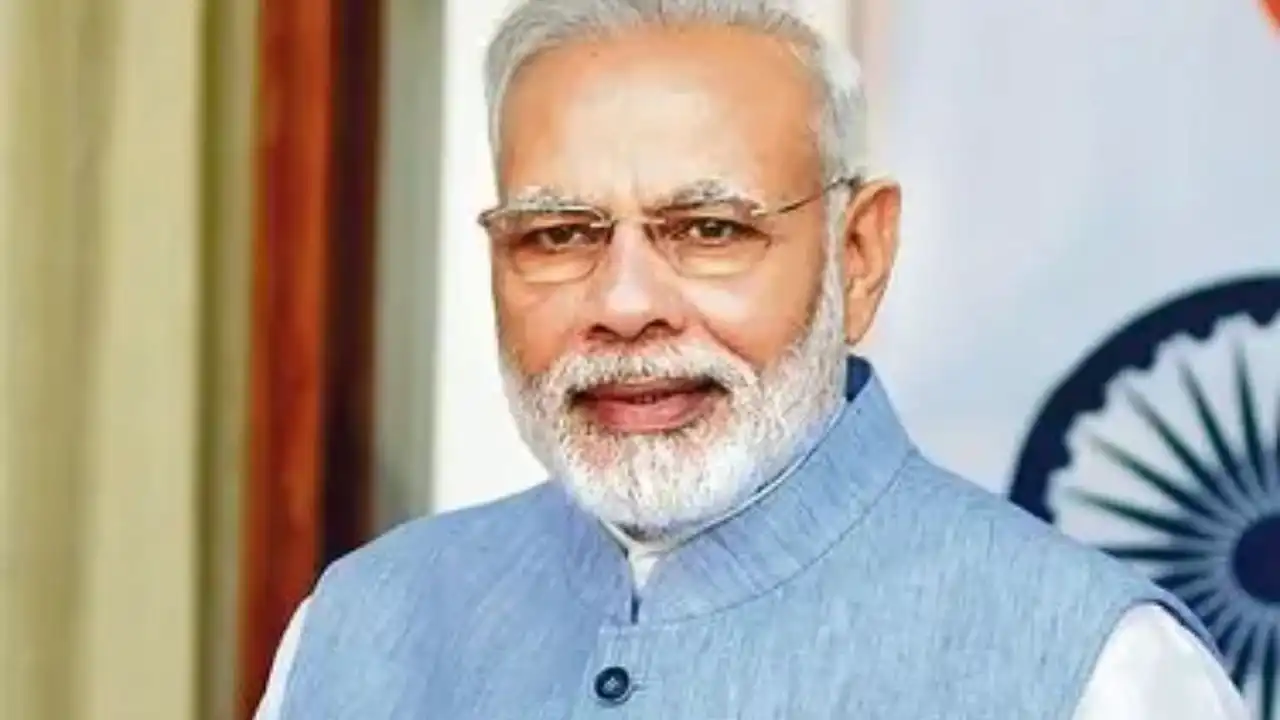
Prime Minister Narendra Modi has called on India’s private sector to step up investment in innovation, research and global competitiveness, saying it is crucial for achieving the vision of “Viksit Bharat” by 2047.
In a written interview to news agency Press Trust of India, the Prime Minister said the next phase of India’s economic transformation will depend on bold investments by industry. He noted that the government has already increased capital expenditure and carried out structural reforms, and now expects businesses to respond decisively.
Modi said policy can create an enabling framework, but sustainable growth requires active participation from the corporate sector. He urged Indian firms to increase spending on research and development, adopt advanced technologies and strengthen supply chains.
According to him, competitiveness should be built on innovation, efficiency and scale rather than on protected margins or tariff benefits.
The Prime Minister highlighted that the Union Budget for FY27 has sharply increased capital expenditure to ₹12.2 trillion, which he described as nearly five times the level in 2013. He said the Budget focuses on infrastructure, logistics and emerging sectors to drive long-term growth.
Spending priorities include railways, roads, digital infrastructure and energy projects. The Budget also proposes easing compliance requirements and improving credit flow to support job creation and economic activity.
Modi described productive spending as a key feature of his government. He said the Budget deliberately avoided short-term populist measures and instead concentrated on investments that enhance productivity and future capacity.
On the role of businesses, the Prime Minister said rising productivity must benefit workers as well as shareholders and owner-managers. He added that sustainable growth requires social legitimacy, supported by real wage growth, skill development and stable employment.
He also spoke about India’s free trade agreements (FTAs), calling them tools to integrate Indian firms into global markets. According to him, trade deals with countries such as Australia, the United Arab Emirates, the United Kingdom, the European Union and the United States have opened export opportunities, especially for micro, small and medium enterprises (MSMEs).
Modi said India now has FTAs with 38 partner nations, which he described as a significant milestone. These agreements, he added, reduce tariff disadvantages and help Indian manufacturers access diverse markets.
He cited examples of merchandise trade growth with Australia and the UAE following the signing of FTAs. He also said service-sector professionals benefit from greater regulatory clarity and mobility under these agreements.
The Prime Minister emphasised that MSMEs must upgrade technologically and integrate more deeply into global value chains. He said they should move beyond being peripheral suppliers and become export-oriented enterprises.
When asked whether he was satisfied with the pace of reforms, Modi said he maintains a “constructive restlessness” and constantly seeks improvement in governance and policy implementation.
The Congress party, meanwhile, criticised the interview and described it as a “scripted exercise.”
As Parliament debates the Budget proposals and trade strategies, the focus remains on how effectively public investment and private-sector participation can together drive India’s economic transformation.
you may also like
- March 02, 2026
Middle East Tensions: Impact on India Trade & Oil
- March 02, 2026
Intel CEO Warns of Huawei’s Chip Talent Push

- February 28, 2026
Amazon to Invest $50B in OpenAI, Expands AWS Tie-Up
- February 28, 2026