


- March 02, 2026
SBI Overtakes ICICI Bank After 6 Years: PSU Giant Becomes India’s 2nd Most Valuable Bank
SBI shares surge in January as market cap crosses ₹9.6 trillion, overtaking ICICI Bank after six years amid PSU bank rally.
- January 27, 2026
- in Business
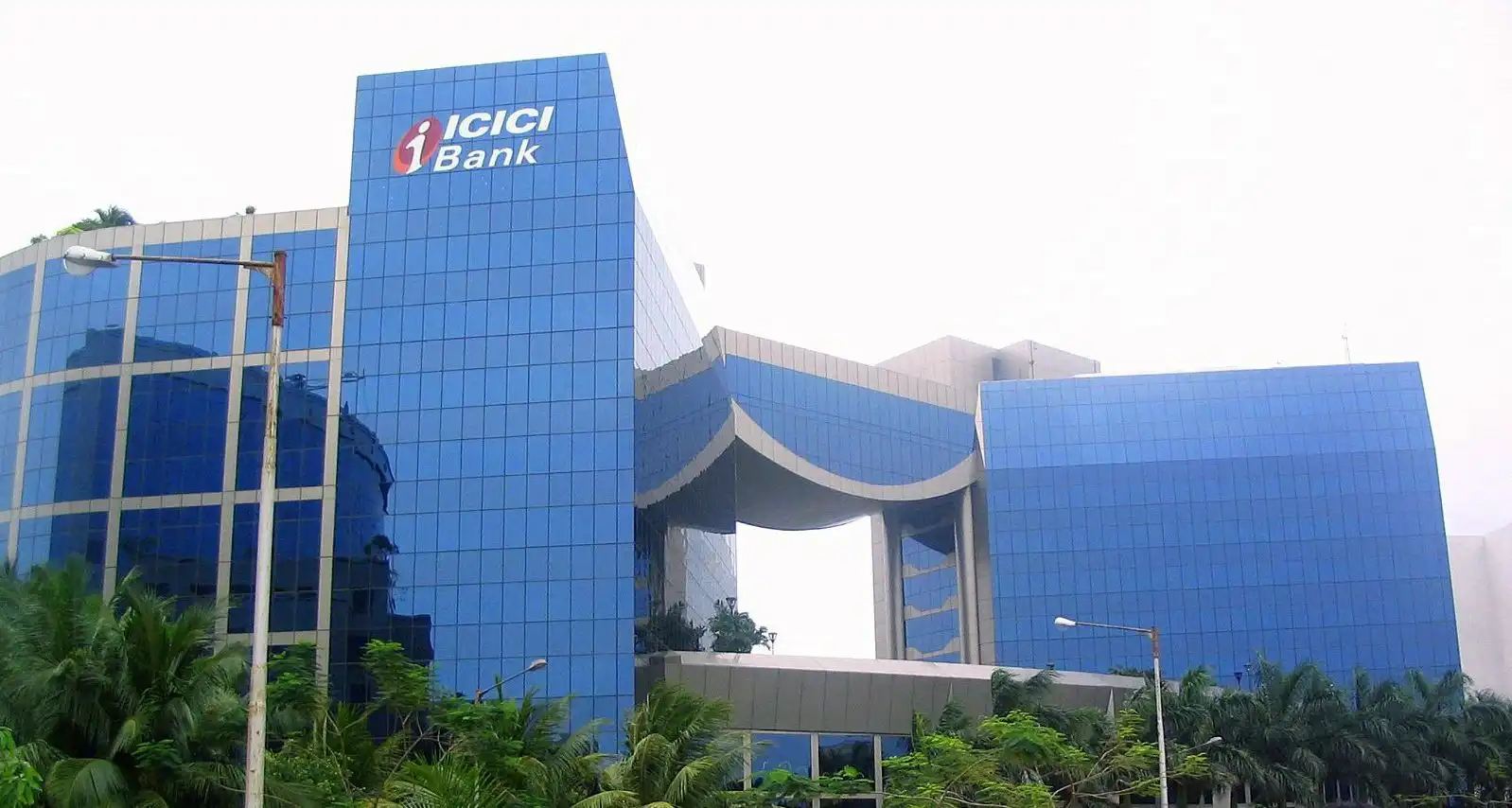
SBI Reclaims the Crown: Public Sector Giant Beats ICICI Bank in Market Cap Race
India’s largest public sector lender, State Bank of India, has reclaimed its position as the second most valuable bank in the country by market capitalisation, overtaking ICICI Bank after a gap of more than six years.
As of Tuesday morning trade, SBI’s market capitalisation stood at ₹9.60 trillion, marginally higher than ICICI Bank’s ₹9.57 trillion on the BSE. The top spot continues to be held by HDFC Bank, with a market cap of over ₹14 trillion.
☕ Nation With Tea sip:
Once written off as “slow and bureaucratic,” PSU banks are now quietly rewriting the pecking order of Indian banking.
The Numbers That Tell the Story
-
SBI stock (Jan 2026): +6%
-
SBI stock (6 months): +31%
-
ICICI Bank (6 months): −10.2%
-
HDFC Bank (6 months): −8.6%
-
Sensex (6 months): +0.9%
Back in August 2019, SBI’s market cap was ₹2.69 trillion, barely ahead of ICICI Bank’s ₹2.65 trillion. Fast forward to 2026, SBI’s valuation has more than tripled, driven by consistent earnings, controlled bad loans, and renewed investor confidence.
Why Is SBI Outperforming Private Banks?
1. Foreign Investors Are Backing PSU Banks
Foreign Institutional Investors (FIIs) increased their stake in SBI to 10.34% in the December 2025 quarter, the highest in over a year. This renewed interest reflects global investors warming up to India’s public sector banking story.
2. Strong Fundamentals, Not Just Sentiment
SBI has delivered:
-
Stable loan growth
-
Well-contained credit costs
-
Improved asset quality
-
Consistent profitability
Brokerages note that SBI is growing 2–3 percentage points faster than nominal GDP, driven by retail, agriculture and MSME lending.
3. Guidance That Markets Like
SBI has guided for:
-
13–14% loan growth in FY26
-
Net Interest Margin (NIM) above 3%
-
Credit costs of just 40–50 basis points
-
~10% earnings CAGR over FY26–28
In contrast, private lenders have faced margin pressure, slower loan growth and valuation fatigue.
What Analysts and Rating Agencies Say
According to S&P Global Ratings, Indian banks are set to benefit from strong domestic growth and improved recovery mechanisms.
S&P expects SBI’s:
-
Return on assets (RoA): 0.9%–1.0% over the next two years
-
Asset quality: Stable despite isolated stress pockets
-
Liquidity and funding: Strong, backed by high public confidence
The agency also highlighted the high likelihood of government support in case of stress — a safety net private banks simply don’t have.
☕ Nation With Tea irony:
Markets that once punished PSU banks for “government ownership” are now rewarding SBI for the very same backing.
Leadership Confidence Adds Fuel
SBI Chairman Challa Sreenivasulu Setty has projected a rebound in private investment once global trade disruptions and US tariff uncertainties ease.
SBI is targeting:
-
11–12% balance sheet growth
-
Nearly ₹10 trillion of new business every year
-
Organic scaling without relying on further PSU bank mergers
This clarity has strengthened investor confidence at a time when markets are punishing uncertainty.
What This Means for Investors
SBI’s rally signals a broader re-rating of public sector banks, not just a one-stock phenomenon. The shift reflects:
-
Improved governance
-
Lower NPAs
-
Better capital discipline
-
Strong macro tailwinds for Indian banking
However, analysts caution that much of the optimism is now priced in, and future gains will depend on earnings delivery rather than sentiment alone.
Nation With Tea Final Pour ☕
Six years ago, SBI losing ground to private banks was seen as inevitable. In 2026, the script has flipped. The public sector giant is back in the spotlight — not because of nostalgia, but because markets finally believe the turnaround story.
The real question now isn’t whether SBI can beat ICICI Bank —
it’s whether PSU banks can keep this momentum alive when the cycle turns.
you may also like


- March 02, 2026
Middle East Tensions: Impact on India Trade & Oil
- March 02, 2026
Intel CEO Warns of Huawei’s Chip Talent Push

- February 28, 2026
Amazon to Invest $50B in OpenAI, Expands AWS Tie-Up
- February 28, 2026