


- March 02, 2026
Why Apple Picked Google’s Gemini AI Over OpenAI to Power the New Siri
Apple explains why Google’s Gemini AI beat OpenAI for Siri, citing better technology, privacy control, and long-term business value.
- January 30, 2026
- in Business
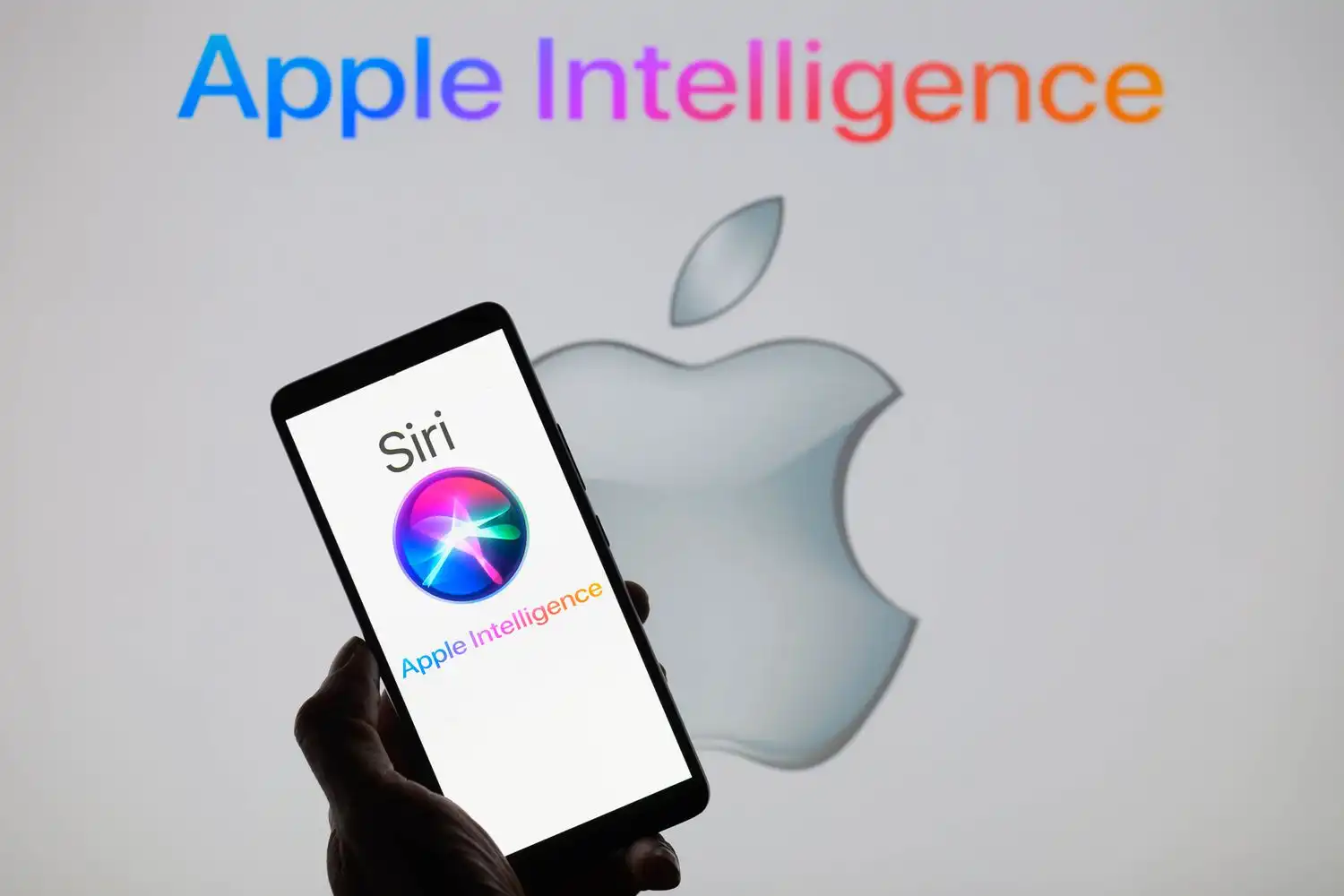
Apple bets on performance, not hype, for its biggest AI shift
Apple has put an end to months of speculation around its AI strategy by clearly explaining why Google’s Gemini AI—and not Sam Altman’s OpenAI—will power the next generation of Siri and upcoming Apple Intelligence features. The reason, according to Apple, is straightforward: technology maturity and capability.
During the company’s latest earnings call, Tim Cook stated that after testing multiple large language models, Apple concluded that Google’s AI stack offered the most robust foundation for its own Apple Foundation Models. The decision signals a major business move for Apple as it positions AI not just as a feature, but as a long-term value driver.
A strategic collaboration, not a dependency
Apple has been careful to frame the Google partnership as a collaboration rather than reliance. Cook emphasised that while Google’s Gemini models will help power a more personalised and capable Siri, Apple will continue to develop its own AI systems in parallel.
This hybrid approach allows Apple to combine Google’s strengths in large-scale AI models with its own tightly controlled ecosystem. In practical terms, Gemini will handle advanced intelligence layers, while Apple maintains control over user experience, integration, and system-level behaviour.
Privacy remains Apple’s core selling point
One of the biggest concerns around AI partnerships is data privacy, and Apple moved quickly to shut down doubts. Cook reaffirmed that Apple’s privacy standards will remain unchanged, even with Google involved.
Siri’s AI processing will continue to rely heavily on on-device computation and Private Cloud Compute, ensuring that user data is not freely shared or stored externally. For Apple, privacy isn’t just a policy—it’s a competitive advantage, and the company is unwilling to dilute it, even in the AI race.
OpenAI slips into a secondary role
The move is a clear setback for OpenAI, led by Sam Altman. While Apple will still offer ChatGPT integration—announced earlier—it is no longer central to Apple’s AI roadmap.
Reports suggest Apple evaluated several AI players, including Anthropic, before narrowing its choice. High costs and performance gaps reportedly worked against competitors, while Google’s Gemini 3 models topping global AI benchmarks late last year ultimately tipped the balance.
In short, Apple followed the numbers, not the noise.
AI as Apple’s next revenue engine
Beyond improving Siri, Apple sees AI as a major business opportunity. Cook hinted that deeply embedding intelligence across iOS, macOS, and other platforms could unlock new revenue streams across services and products.
While neither Apple nor Google has confirmed the financial details, industry estimates value the deal at around $1 billion annually. The upgraded Siri is expected to roll out with iOS 26.4 around March or April, marking one of Apple’s most significant software shifts in years.
The quiet power play
Apple’s decision highlights a familiar pattern: wait, observe, then move decisively. While competitors rush to dominate headlines, Apple is positioning itself to quietly monetise AI at scale—without compromising its core principles.
The message to the market is clear: in Apple’s business playbook, execution beats excitement.
you may also like


- March 02, 2026
Middle East Tensions: Impact on India Trade & Oil
- March 02, 2026
Intel CEO Warns of Huawei’s Chip Talent Push

- February 28, 2026
Amazon to Invest $50B in OpenAI, Expands AWS Tie-Up
- February 28, 2026