


- March 02, 2026
Why India Has Not Joined Trump’s ‘Board of Peace’ Yet: UN Concerns and Strategic Calculations
India has received an invite to Trump’s ‘Board of Peace’ but is holding back amid concerns over the UN’s role and governance issues.
- January 23, 2026
- in International
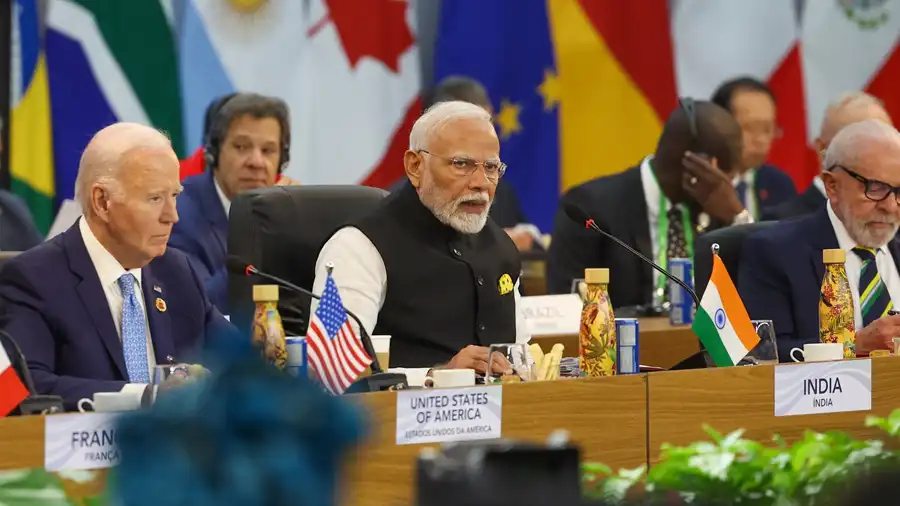
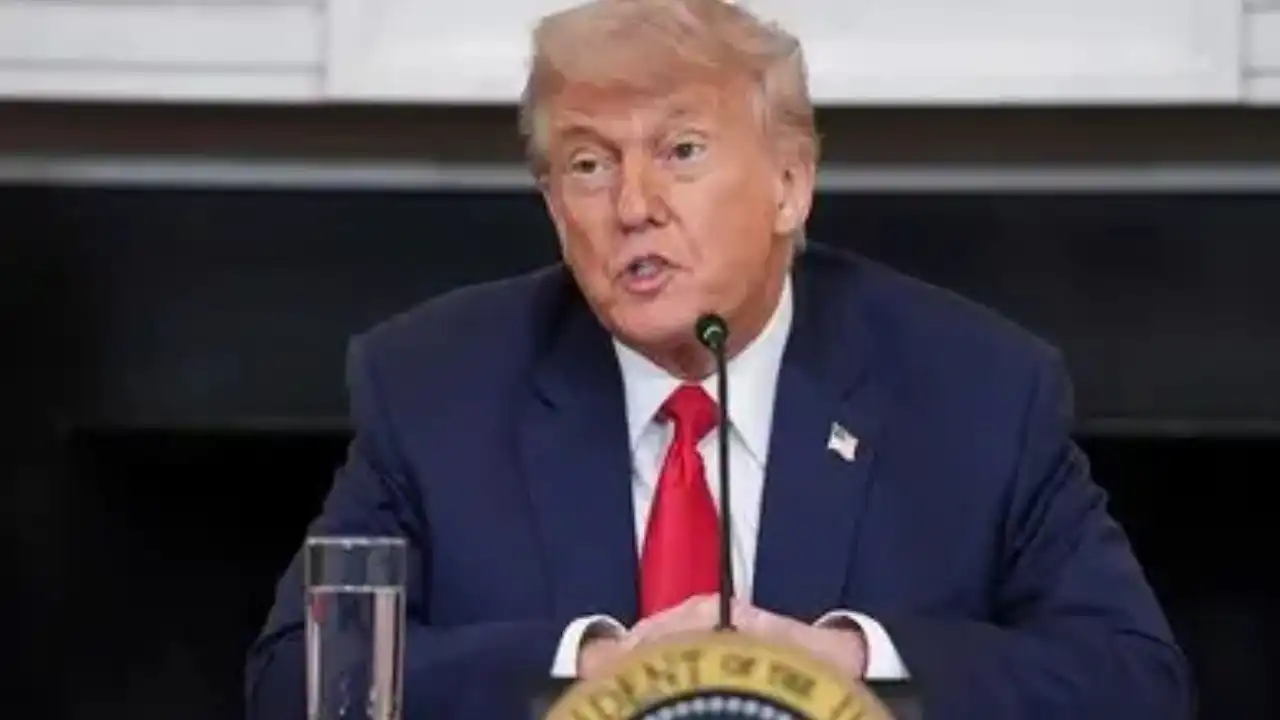
India has adopted a cautious and wait-and-watch approach after receiving an invitation from Donald Trump to join his newly launched global initiative, the ‘Board of Peace’. While New Delhi has not rejected the proposal outright, it has also refrained from formally joining the body, choosing instead to closely assess its implications for global governance and India’s long-standing diplomatic positions.
The ‘Board of Peace’, unveiled on the sidelines of the World Economic Forum in Switzerland’s Davos, was initially projected as a mechanism to oversee the Gaza ceasefire and reconstruction following the Israel-Hamas conflict. However, its scope has since expanded into a broader conflict-resolution platform, raising questions among several countries about its mandate, authority, and long-term intent.
Why India Is Holding Back
According to people familiar with the matter, India was among nearly 60 countries invited to join the initiative last week. Despite the invitation, no Indian officials were present at the signing ceremony in Davos. Sources indicate that New Delhi is closely monitoring the positions taken by key strategic partners, including France and Russia, before making any commitment.
One of the primary concerns for India is that the Board of Peace could potentially undermine the authority and relevance of the United Nations, where India has consistently advocated for multilateralism and institutional legitimacy. Another point of unease is Trump’s assertion that he would remain the chairman of the body indefinitely, raising red flags about concentration of power and governance structure.
Notably, no permanent member of the UN Security Council—apart from the United States—has joined the initiative so far. Similarly, none of the G7 nations have signed on, further reinforcing India’s decision to proceed cautiously.
No Clear Focus on Gaza
Despite being originally framed around Gaza, the Board of Peace’s official charter reportedly makes no direct reference to the territory. Instead, it outlines a sweeping mandate to promote stability and “secure enduring peace” in conflict-affected regions worldwide. Trump himself suggested that once operational in Gaza, the board could intervene in other global crises.
“I think we can spread out to other things as we succeed with Gaza… Once this board is completely formed, we can do pretty much whatever we want to do,” Trump said during the Davos ceremony.
While Trump has claimed the board could work alongside the UN, he has simultaneously asserted that the world body played no role in conflicts he says his administration resolved, including tensions between India and Pakistan last year.
India Rejects Trump’s Claims
Trump has repeatedly stated that his intervention helped prevent a larger military conflict between India and Pakistan in May, claims New Delhi has firmly rejected. Indian officials have maintained that hostilities ended after four days through direct communication between the two countries’ military leaderships, without external mediation.
India’s consistent stance against third-party mediation, especially in matters involving Pakistan, remains a critical factor in its hesitation to associate with the Board of Peace.
Who Has Joined So Far
So far, the board’s charter has been signed by the heads of state or government of 11 countries—Argentina, Armenia, Azerbaijan, Bulgaria, Hungary, Indonesia, Kazakhstan, Kosovo, Pakistan, Paraguay and Uzbekistan. Senior officials from Bahrain, Jordan, Morocco, Qatar, Saudi Arabia, Turkey, UAE and Mongolia have also participated.
With geopolitical stakes high and institutional implications significant, India appears determined to weigh its options carefully before making any decision that could reshape its role in global conflict-resolution frameworks.
you may also like
- March 02, 2026
How Switzerland Became the World’s Most Nuclear-Ready Nation
- March 02, 2026
Middle East War Escalates; Oil, Air Travel Hit
- March 02, 2026
US-Iran Conflict: Missiles, Airstrikes, Global Disruption
- March 02, 2026