


- March 03, 2026
Why US Supreme Court Quashed Trump Tariffs
US Supreme Court strikes down Trump’s global tariffs in 6–3 ruling. Here are four key reasons behind the landmark decision.
- February 21, 2026
- in International
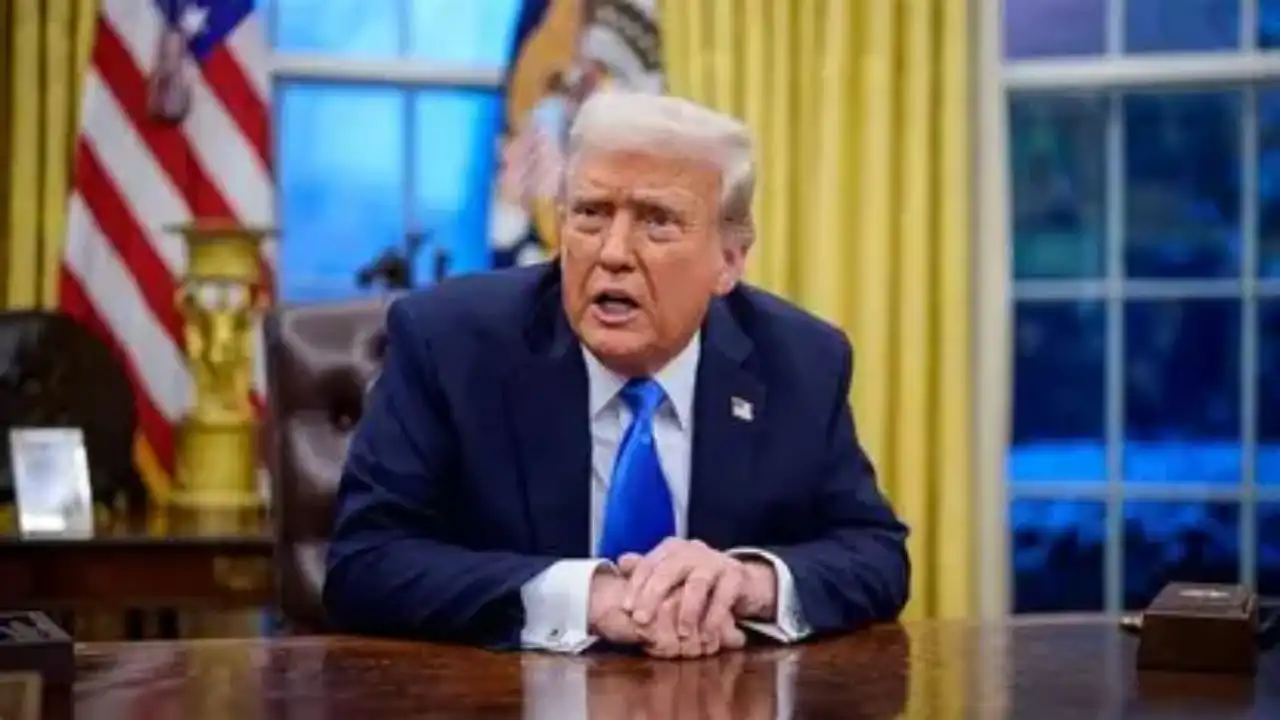
The US Supreme Court has struck down former President Donald Trump’s sweeping global tariffs in a 6–3 ruling, marking a major legal setback for his trade policy.
The decision directly challenges Trump’s use of emergency powers to impose tariffs on imports from nearly all trading partners. Here are four key reasons why the court ruled the tariffs unlawful.
1. Constitution Gives Taxing Power to Congress
Chief Justice John Roberts, writing for the majority, said the US Constitution clearly assigns the authority to levy taxes and tariffs to Congress.
The court stated that any “extraordinary assertion” of such power by the president requires clear approval from lawmakers. In this case, the justices found no such authorisation.
2. IEEPA Does Not Authorise Tariffs
Trump relied on the International Emergency Economic Powers Act (IEEPA) of 1977 to justify the tariffs. The law allows a president to regulate economic transactions during a declared national emergency.
However, the court ruled that IEEPA does not explicitly authorise the imposition of tariffs. The statute has historically been used to freeze assets or impose sanctions, not to introduce broad trade taxes.
The majority held that if Congress had intended to grant tariff powers under IEEPA, it would have stated so clearly.
3. Emergency Powers Have Limits
The administration had argued that the tariffs were necessary to address national security concerns and trade deficits.
The court was not persuaded that these justifications allowed bypassing Congress. It ruled that emergency powers cannot be used to expand executive authority beyond what the law expressly permits.
This decision reinforces the separation of powers and limits the scope of presidential action in trade matters.
4. Legal Challenges Highlighted Overreach
The case reached the Supreme Court after lawsuits were filed by 12 US states and several businesses, who argued that the tariffs represented an unprecedented overreach of executive power.
Earlier, a federal trade court had ruled against the administration, though enforcement was temporarily paused pending appeal.
With the Supreme Court’s verdict, the tariffs imposed under IEEPA have been invalidated.
What About Refunds?
The ruling did not directly address whether companies will receive refunds for tariffs already paid. Economists estimate that the government may have collected more than $175 billion under the programme.
Some businesses, including major retailers, have already sought refunds through legal action. However, the process could be complex, as noted by dissenting Justice Brett Kavanaugh, who warned that returning the funds may be complicated.
What Happens Next?
While the decision limits the use of IEEPA for imposing tariffs, it does not block the president from using other laws to introduce trade measures.
Administration officials have indicated that alternative legal routes, such as those involving national security or unfair trade practices, may be explored. However, these frameworks require more procedural steps and offer less flexibility.
The ruling represents a significant moment in US trade policy, clarifying that broad tariff action requires clear congressional backing.
you may also like

- March 02, 2026
Trump Says Iran Operations May Last 4–5 Weeks

- March 02, 2026
How Switzerland Became the World’s Most Nuclear-Ready Nation

- March 02, 2026
Middle East War Escalates; Oil, Air Travel Hit

- March 02, 2026