


- March 02, 2026
Aravalli Hills Under Threat: How Mining Is Breaking India’s Oldest Mountain Range
Mining, dust, and encroachment are damaging the Aravalli hills, affecting climate, water, health, and livelihoods across North India.
- January 03, 2026
- in National
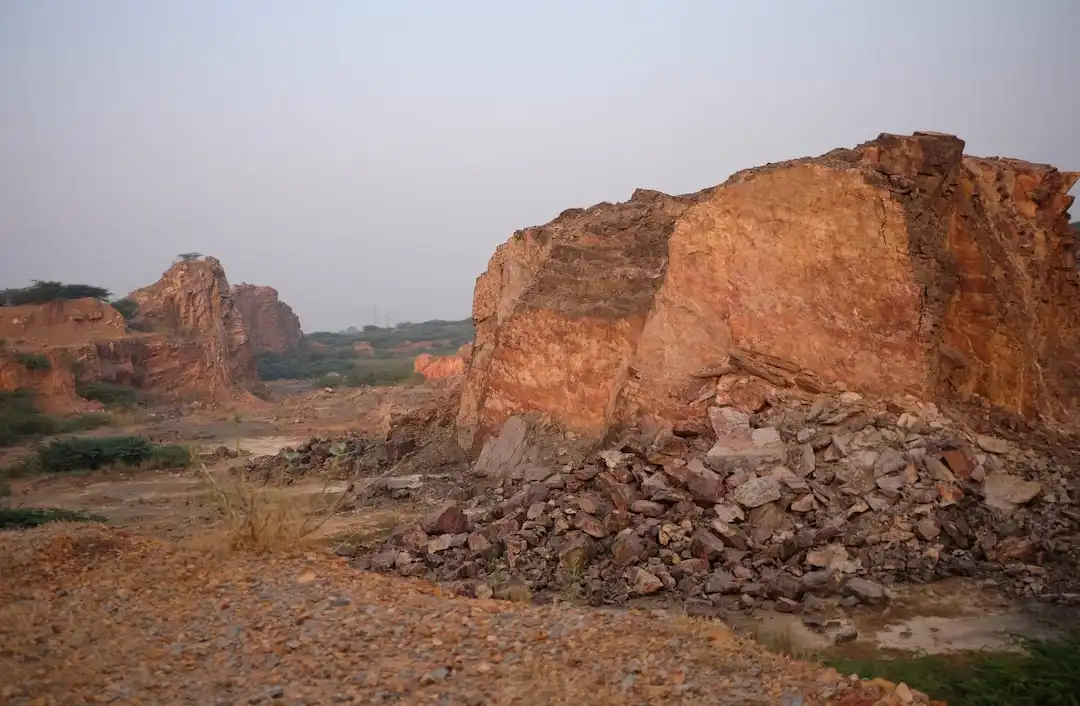
The Aravalli Hills, one of the oldest mountain ranges in the world, are slowly being destroyed by heavy machines, illegal mining, and unchecked development. Stretching across Delhi, Haryana, Rajasthan, and Gujarat, these hills are nearly two billion years old and play a crucial role in protecting North India’s environment.
For people living near the foothills, the sound of drilling machines and trucks has replaced birdsong and silence. Villagers say that stone-loaded trucks pass through their roads every few minutes, filling the air with dust and fear. Speaking up against these activities is risky, as many believe powerful interests are involved.
Why the Aravallis Matter
The Aravalli range is often called the “lungs of North India.” It blocks hot desert winds from the Thar region, helps recharge groundwater, supports wildlife, and regulates the local climate. Without it, cities like Delhi and nearby regions would face harsher heat, stronger dust storms, and deeper water shortages.
Mining Despite Restrictions
Although mining has been restricted for years, residents say it never truly stopped. Hills have been cut open, leaving behind deep pits—some as tall as five-storey buildings. These pits often fill with groundwater, which is later pumped out and released into nearby fields, damaging crops and farmland.
Villages close to mining zones report cracked homes, sleepless nights due to blasting, and rising health problems. Dust covers trees, homes, and clothes within minutes. Many residents suffer from breathing issues, skin diseases, and long-term illnesses linked to stone dust.
Impact on Livelihoods
Ironically, while mining damages the land, it does not improve local lives. Many villagers earn only a few hundred rupees a day doing dangerous stone-cutting work. Accidents are common, and several families have lost loved ones. Others have died from long-term exposure to dust-related diseases.Some residents argue they should be allowed limited use of the hills to survive. Others strongly disagree, saying that when mining stopped in their areas, young people returned to education and later found safer government jobs.
Women, Children, and Fear
Students living in residential schools near mining areas say they fear buildings may collapse due to nightly blasting. Mothers worry about their children’s health and safety. Many families avoid sending their children outside or to work far away due to rising insecurity.
Legal Concerns and Public Voice
A recent legal move redefining what qualifies as an Aravalli hill caused widespread concern, as it could remove protection from large parts of the range. Following public protests, the decision was paused. Environmental groups now demand that the entire range be declared an ecologically sensitive zone, with no destructive activity allowed.
People’s groups insist that decisions about the Aravallis must involve local communities. They argue that development should not come at the cost of lives, health, and natural heritage.
A Fight for the Future
For villagers, this is not just an environmental issue—it is about survival. As one protester said, “If these hills disappear, so will we.” Saving the Aravallis means protecting water, air, climate, and generations yet to come.
you may also like


- March 01, 2026
444 Flights Cancelled as West Asia Tensions Hit India
- February 28, 2026
India Closely Monitoring Afghanistan-Pakistan Tensions

- February 27, 2026
Maid Arrested for Alleged Fake ED Raid in Delhi
- February 27, 2026