Dark Mehendi Safety: Why Black Henna Can Cause Skin Allergies
Dark or instant-black mehendi may contain chemicals such as PPD that can trigger skin allergies, inflammation and long-term sensitisation.
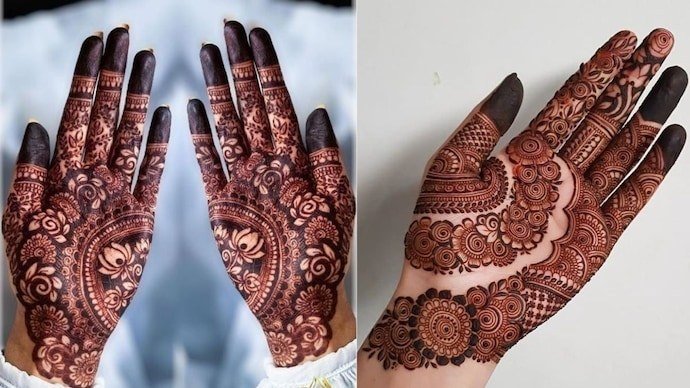
Mehendi is widely used during Indian festivals, weddings and other celebrations, with many people believing that a darker stain indicates better quality. However, natural henna generally produces orange, reddish-brown or brown stains rather than an instant jet-black colour. An unusually dark stain that develops quickly may indicate the presence of added chemicals or dyes.
Dermatologist Dr Vidushi Jain said some black mehendi products may contain para-phenylenediamine (PPD), a chemical also used in certain hair dyes. PPD is a known skin sensitiser and can cause contact dermatitis, leading to itching, redness, burning, swelling and blisters at the application site.
In some cases, reactions may extend beyond the area where mehendi was applied. PPD exposure can also cause widespread eczema-like reactions, while rare cases may involve hives or deeper swelling. Once a person becomes sensitised to PPD, the allergy can persist and may cause reactions to future exposure through products such as hair dyes.
People who experience itching, burning, swelling or blisters after applying mehendi should avoid further exposure and seek medical advice if symptoms are significant. Severe swelling, widespread rashes or breathing difficulties require prompt medical attention.
With festive occasions such as Ganesh Chaturthi and Karwa Chauth increasing mehendi use, experts advise choosing natural henna from reliable sources rather than products promising an instant black stain.