Inter-State Migrant Workers: Legal Protections, Implementation Gaps and Labour Code Changes
India’s migrant labour laws have expanded protections and improved access to welfare schemes, but gaps in enforcement, changes to statutory safeguards and weak monitoring continue to expose workers to exploitation.
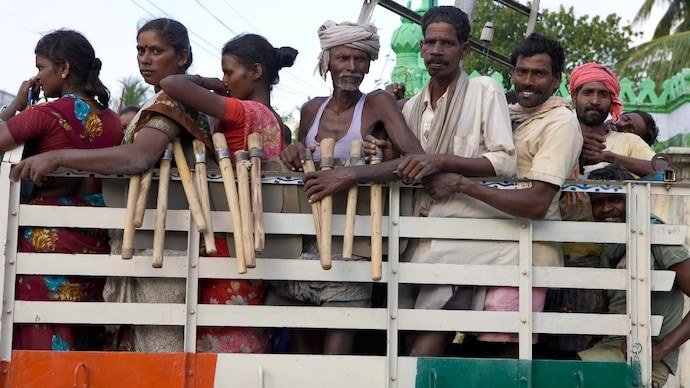
India’s inter-State migrant workers continue to face exploitation despite decades of labour legislation. Weak enforcement, inadequate monitoring and gaps in access to welfare benefits have limited the impact of legal protections.
In August 2025, 40 migrant workers from Odisha and Chhattisgarh were rescued from shrimp farms in Andhra Pradesh after reports of withheld wages, poor living conditions and restrictions on their movement. The case highlighted the importance of effective inspections and timely intervention by labour authorities.
The Inter-State Migrant Workmen Act, 1979, introduced safeguards covering wages, journey allowances, accommodation and medical facilities. However, a 2011 parliamentary committee raised concerns about incomplete worker data, inadequate registration and poor implementation.
The COVID-19 pandemic further exposed migrant workers’ vulnerability. Approximately 1.14 crore inter-State migrant workers returned to their home States during the first wave in 2020, according to information collected by the Union Labour Ministry.
The e-Shram portal, launched in 2021, aims to improve worker registration and access to welfare schemes. By August 18, 2026, it had recorded 31.89 crore registrations of unorganised workers, although this figure includes multiple worker categories.
The Occupational Safety, Health and Working Conditions Code, 2020, which came into force in November 2025, widened the definition of inter-State migrant workers to include people who migrate independently for employment.
However, changes to eligibility thresholds and journey allowance conditions, along with the absence of a corresponding displacement allowance provision, raise questions about the reach of specific protections.
Effective enforcement, reliable databases and coordination between States remain essential to ensure that legal rights translate into real benefits for migrant workers.