


- March 02, 2026
Bhojshala–Kamal Maula Dispute: ASI Report Enters Key Legal Stage
ASI’s survey report on the Bhojshala–Kamal Maula site is under review by MP High Court, with objections invited from all parties.
- February 26, 2026
- in National
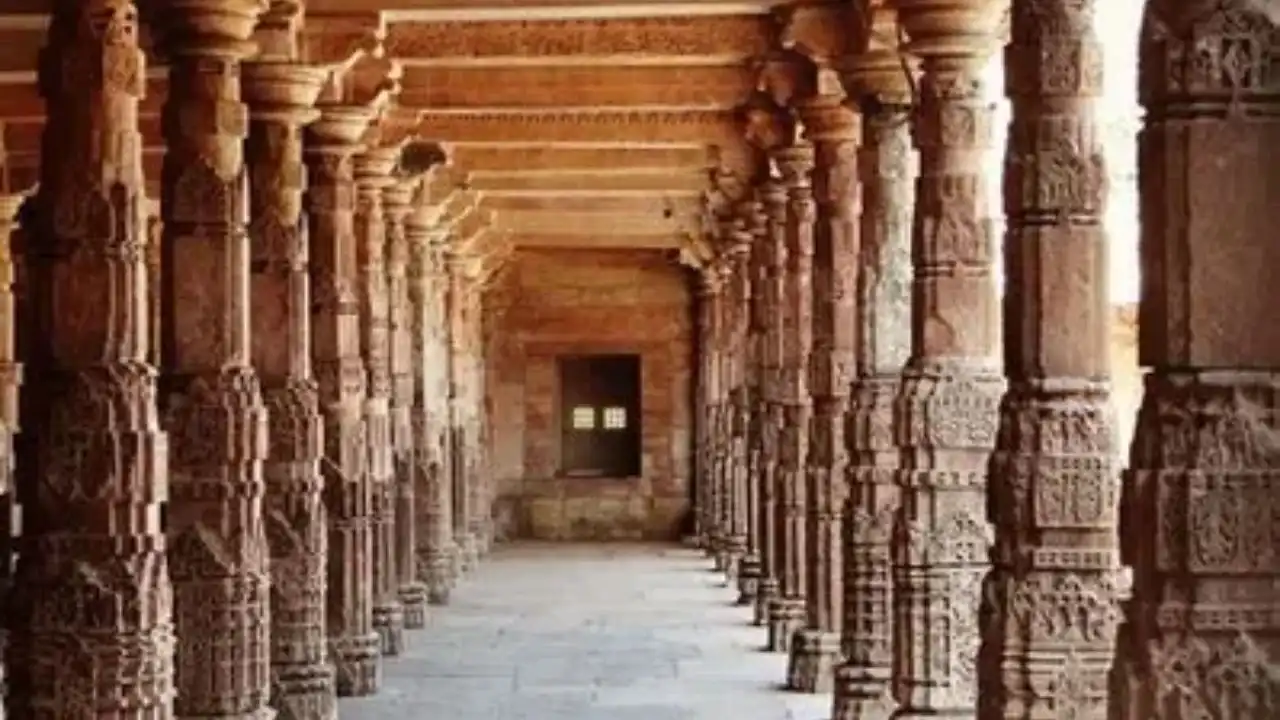
The long-running dispute over the Bhojshala–Kamal Maula site in Dhar has entered a crucial phase after the Archaeological Survey of India submitted its detailed survey report to the Indore bench of the Madhya Pradesh High Court.
The report, prepared after a 98-day scientific survey, has triggered fresh legal and public debate over the historical character of the monument.
What the ASI Report Says
According to the ASI, the structure known as Kamal Maula Mosque appears to have been constructed using components of earlier temple architecture.
The agency said its conclusions were based on excavation, architectural analysis, inscriptions, sculptures and other material evidence gathered during the survey.
The report runs over 2,000 pages and was initially submitted in July 2024. In January 2026, the Supreme Court directed the High Court to open the sealed report and make it available to the concerned parties.
Background of the Dispute
The Bhojshala site is revered by many Hindus as a temple dedicated to Goddess Vagdevi (Saraswati). Muslims regard the structure as Kamal Maula Mosque, associated with the 13th-century Sufi saint Kamal-ud-Din.
Under current arrangements, Hindu prayers are permitted on Tuesdays, while Muslims are allowed to offer Friday namaz. These arrangements stem from administrative orders issued in 2003.
Over the decades, Basant Panchami celebrations and Friday prayers falling on the same day have occasionally led to tension and heightened security measures in Dhar.
Court Proceedings
The High Court bench has directed all stakeholders to file objections, suggestions and responses to the ASI findings within two weeks. The next hearing is scheduled for March 16, 2026.
The survey itself was ordered by the High Court in March 2024. While allowing the survey, the Supreme Court directed that no physical excavation should alter the site’s essential character.
Reactions on the Ground
In Dhar, the release of the report has sparked emotional responses. Hindu organisations have welcomed the findings, describing them as validation of their longstanding claims. Some groups have renewed demands for construction of a Vagdevi temple at the site, subject to court approval.
The debate has also revived calls for the return of the Vagdevi idol currently displayed at the British Museum in London.
Muslim petitioners, however, have rejected the ASI’s conclusions. Representatives have argued that historical records identify the structure as a mosque and have stated they will challenge the report in court.
What Lies Ahead
The ASI report does not settle ownership or title. It forms part of the evidence that the High Court will consider before delivering its verdict.
Until a final judicial decision is pronounced, the Bhojshala–Kamal Maula complex remains a protected monument with regulated worship for both communities.
The coming hearings are expected to determine how the court interprets the survey findings and whether they alter the legal trajectory of a dispute that has spanned decades.
you may also like
- March 01, 2026
444 Flights Cancelled as West Asia Tensions Hit India
- February 28, 2026
India Closely Monitoring Afghanistan-Pakistan Tensions

- February 27, 2026
Maid Arrested for Alleged Fake ED Raid in Delhi
- February 27, 2026