


- March 02, 2026
Congress Slams Centre Over US Tariff Deal
Congress leader Jairam Ramesh criticises Centre over proposed India-US trade deal, cites Trump tariffs and calls for renegotiation of terms.
- February 22, 2026
- in National

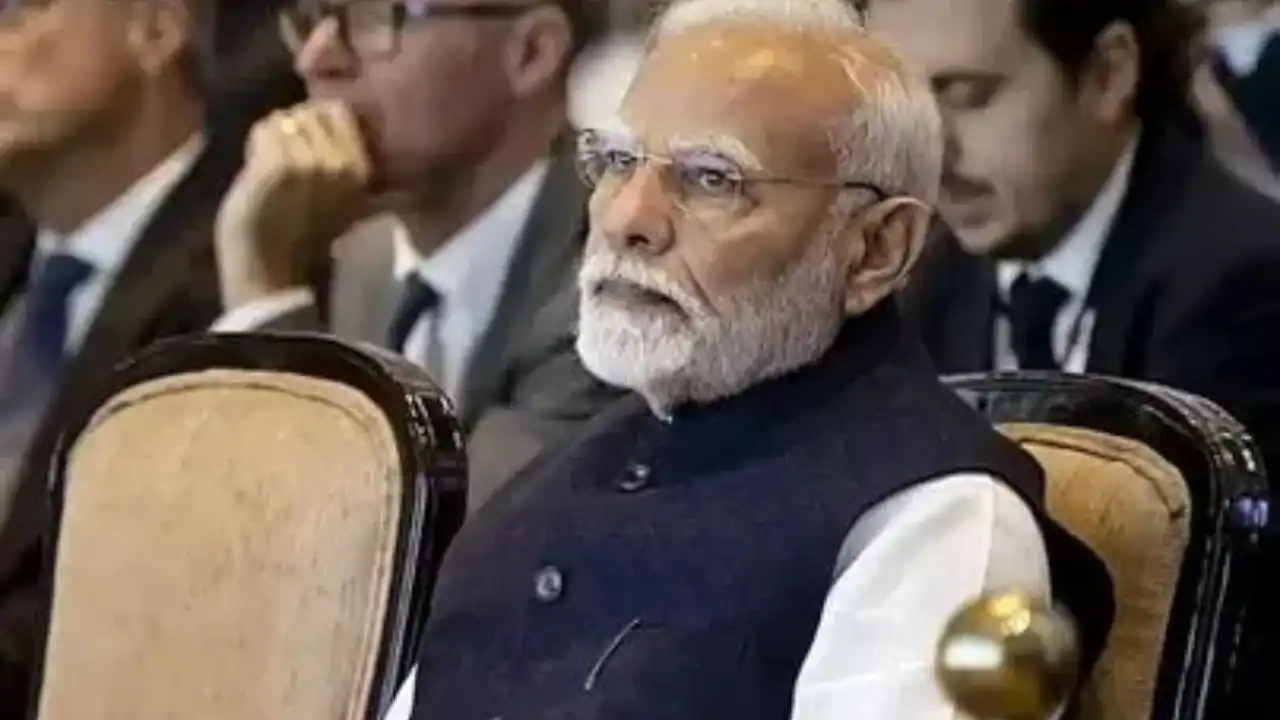
The Congress on Sunday intensified its criticism of the Centre over the proposed interim India–US trade agreement, linking it to recent tariff decisions by US President Donald Trump.
Congress general secretary (communications) Jairam Ramesh said the framework of the agreement reflects what he described as “Abki baar Trump se haar,” a play on an earlier political slogan.
Call for Renegotiation
Ramesh urged the government to place the proposed agreement in “cold storage” and renegotiate its terms. He objected particularly to clauses related to import liberalisation, especially on agricultural products.
According to him, India had committed to reducing or eliminating tariffs on a wide range of American industrial goods and farm products. He argued that these provisions could affect domestic farmers.
He also questioned the timing of the agreement, noting that the US Supreme Court had recently struck down earlier tariff measures imposed by President Trump.
Supreme Court Ruling and Tariff Changes
The US Supreme Court, in a 6-3 decision, ruled that the administration had exceeded its authority in imposing broad import tariffs under the International Emergency Economic Powers Act of 1977. The court held that the power to levy taxes primarily rests with Congress.
Following the verdict, President Trump announced a new 10 per cent global tariff under Section 122 of the Trade Act of 1974. He later raised it to 15 per cent, describing it as legally tested.
Ramesh said India should reconsider its commitments in light of these developments. He argued that the agreement allows either side to modify obligations if circumstances change.
Concerns Over Farmers
The Congress leader warned that farmers growing soybean, maize, fruits, nuts and cotton in states such as Jammu and Kashmir, Bihar, Madhya Pradesh, Rajasthan, Maharashtra and Himachal Pradesh could be affected if import duties are reduced.
He alleged that the agreement may be one-sided and detrimental to the interests of farmers. The Congress also announced plans to organise “Maha Kisan Maha Chaupal” meetings in states including Madhya Pradesh, Maharashtra and Rajasthan to discuss the issue with farmer groups.
Political Exchange
Ramesh further linked the trade deal announcement to recent political debates in Parliament. He alleged that the timing of the announcement was connected to opposition criticism of the government on external security issues.
The Centre has not yet issued a detailed public response to these specific allegations.
The debate comes amid broader uncertainty in global trade following changes in US tariff policy. Any final agreement between India and the US would require further negotiations and formal approval processes.
you may also like
- March 02, 2026
Delhi Man Allegedly Killed, Body Dumped in Yamuna
- March 02, 2026
India Rushes Relief Flights Amid West Asia Crisis

- March 02, 2026
Oil Nears $80: Will Petrol, Diesel Prices Rise in India?
- March 02, 2026