


- March 02, 2026
India to Lead G20 Growth as Moody’s Forecasts 6.4% GDP Expansion in FY27
Moody’s projects India’s GDP to grow 6.4% in FY27, fastest among G20, driven by strong consumption, reforms, and banking stability.
- February 09, 2026
- in Business
India Set to Lead G20 Growth Race: Moody’s Projects 6.4% GDP Expansion in FY27
The Big Picture
India is projected to remain the fastest-growing major economy in the world, with GDP growth estimated at 6.4% in FY27, according to the latest outlook by Moody’s Ratings. The forecast places India ahead of all other G20 nations, underlining the country’s continued macroeconomic resilience at a time when global growth remains uneven and fragile.
Moody’s assessment points to a combination of strong domestic consumption, policy-led structural reforms, controlled inflation, and a stable banking system as the key engines driving this momentum.
Why Moody’s Is Confident About India
Moody’s outlook highlights that India’s growth story is no longer dependent on one-off stimuli or export cycles alone. Instead, it is increasingly anchored in internal demand and institutional stability.
Key drivers identified include:
-
Sustained consumer spending backed by tax reforms
-
Rationalisation of the Goods and Services Tax in late 2025
-
Higher personal income tax thresholds improving disposable incomes
-
A banking system with strong capital buffers and stable asset quality
The ratings agency noted that these factors collectively support consumption-led growth, insulating India from external shocks that have slowed other large economies.
Banking Sector: Strong, Stable, and Prepared
Moody’s expects India’s banking operating environment to remain strong through 2026 and beyond. While some stress may persist in the micro, small, and medium enterprises segment, the overall system is well-positioned to absorb potential shocks.
According to the report:
-
Asset quality is expected to remain resilient
-
Corporate loan books are supported by healthier balance sheets
-
Large companies have improved profitability and lower leverage
-
Banks have already resolved most legacy stressed corporate loans
Loan growth is projected to accelerate slightly to around 11–13% in FY27, up from about 10.6% in FY26 so far, broadly tracking deposit growth and maintaining liquidity stability.
Inflation, Interest Rates, and RBI’s Next Move
With inflation largely under control and growth momentum intact, Moody’s does not foresee aggressive monetary easing ahead. The Reserve Bank of India has already reduced policy rates by 125 basis points in 2025, bringing them down to 5.25%.
Further easing, Moody’s said, would likely depend on clear signs of economic slowdown rather than proactive stimulus. In short, the RBI appears set to walk a cautious line, prioritising stability over sharp rate cuts.
How This Compares With Government Estimates
Moody’s FY27 growth forecast of 6.4% is more conservative than the 6.8–7.2% range projected in the Economic Survey presented in Parliament last month. However, the ratings agency acknowledged that India is currently growing faster than its own projections, with official estimates placing FY26 growth at 7.4%, up from 6.5% in FY25.
The divergence highlights a familiar pattern: government optimism versus ratings-agency caution. Yet even the lower estimate keeps India firmly at the top of the global growth table.
The Structural Story Behind the Numbers
Beyond headline GDP figures, Moody’s stressed that India’s growth is being reinforced by long-term structural shifts:
-
Formalisation of the economy through GST and digital payments
-
Improved tax compliance and fiscal transparency
-
Stronger regulatory oversight of banks
-
Continued government support for the financial system when needed
This structural underpinning, Moody’s said, reduces the risk of abrupt reversals and strengthens confidence among investors and lenders.
What This Means Going Forward
India’s economic trajectory suggests a country moving from cyclical growth to structural momentum. While global uncertainty, trade tensions, and financial volatility remain real risks, India’s internal buffers appear strong enough to absorb external pressure.
The key test ahead will be sustaining job creation, MSME health, and credit flow without triggering inflationary stress — a balancing act that will define the next phase of growth.
The Bottom Line
India’s projected 6.4% growth in FY27 is not just a statistic. It signals a broader shift where the country’s economy is increasingly driven by domestic strength rather than external dependence. In a slowing world, India continues to stand out — not as an exception, but as a case study in how consumption, reform, and financial stability can reinforce each other.
you may also like

- March 02, 2026
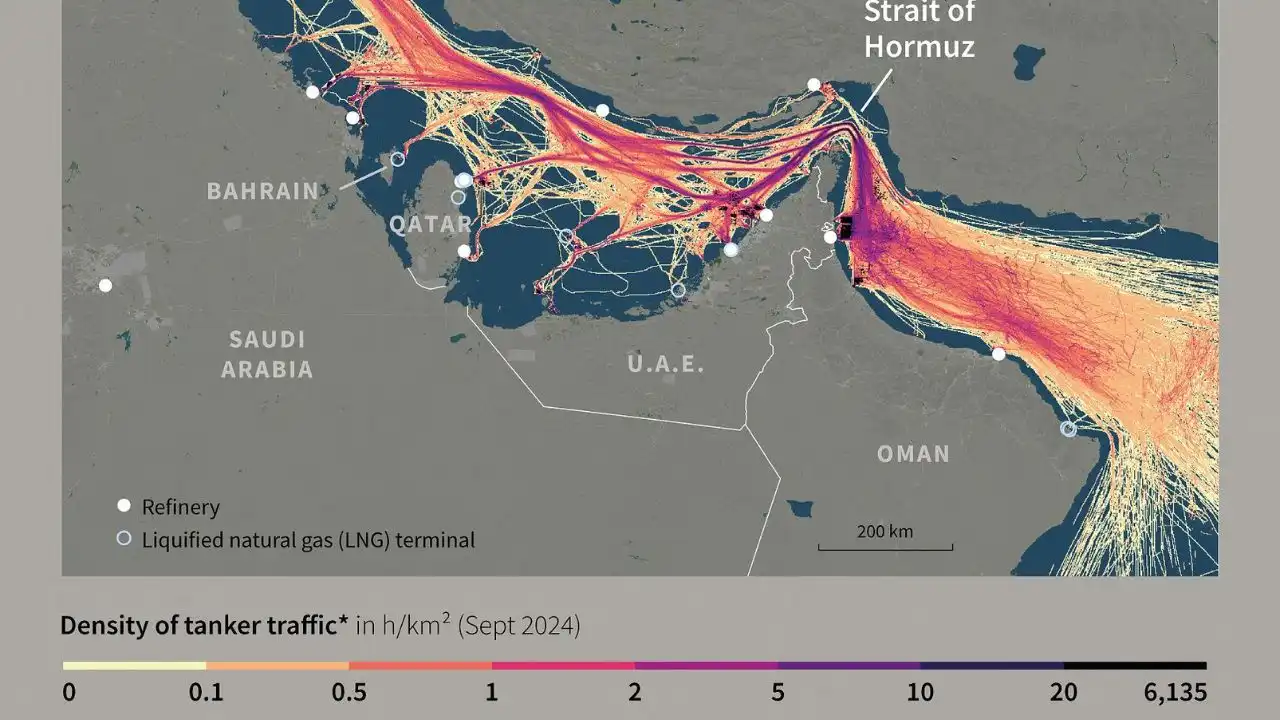
Middle East Tensions: Impact on India Trade & Oil

- March 02, 2026
Intel CEO Warns of Huawei’s Chip Talent Push

- February 28, 2026
Amazon to Invest $50B in OpenAI, Expands AWS Tie-Up
- February 28, 2026