


- March 02, 2026
Indore Water Contamination Tragedy: Death Toll Rises, Officials Removed, Probe Ordered
Indore water contamination leaves 10 dead and thousands ill as officials are removed and a probe begins into the public health crisis.
- January 01, 2026
- in National
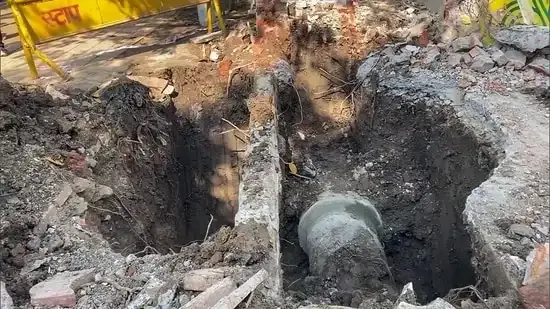
A serious public health crisis has unfolded in Indore, where contaminated drinking water supplied through municipal pipelines has caused widespread illness and deaths. The number of deaths has risen to 10, while more than 2,000 people have fallen sick in the past week.
The affected area is Bhagirathpura, a densely populated part of the city. Over 100 residents from this locality have been admitted to hospitals after consuming contaminated water. Among those who lost their lives are a six-month-old child and six women, highlighting the severe impact on vulnerable groups.
Following the incident, strict action was taken against officials responsible for water supply. One official was dismissed from service, and two others were suspended for failing to detect leakage and contamination in time. Authorities stated that negligence in monitoring and maintenance of pipelines led to sewage mixing with drinking water.
Health teams carried out large-scale surveys in the affected area. Thousands of homes were visited, and tens of thousands of residents were medically examined. Many people showing symptoms were given immediate treatment, while serious cases were shifted to hospitals. Several patients remain in intensive care.
A three-member investigation committee has been formed to find out how the contamination occurred and why earlier warnings were ignored. The panel will also examine delays in replacing old pipelines in the area. Meanwhile, water supply from the affected lines has been stopped, and tankers are being used to provide safe drinking water to residents.
The Madhya Pradesh High Court has stepped in and asked the government to submit a status report. The court also directed that all patients must receive free treatment, after complaints that some private hospitals were refusing care without payment.
The incident has raised serious concerns about urban infrastructure, public health safety, and accountability in city administration.
you may also like
- March 01, 2026
444 Flights Cancelled as West Asia Tensions Hit India
- February 28, 2026
India Closely Monitoring Afghanistan-Pakistan Tensions

- February 27, 2026
Maid Arrested for Alleged Fake ED Raid in Delhi
- February 27, 2026