


- March 03, 2026
Kevin O’Leary Warns US on AI Regulations
Kevin O’Leary urges the US to avoid heavy AI regulations, warning it could lose the AI race to China if chip exports and energy issues persist.
- February 18, 2026
- in International
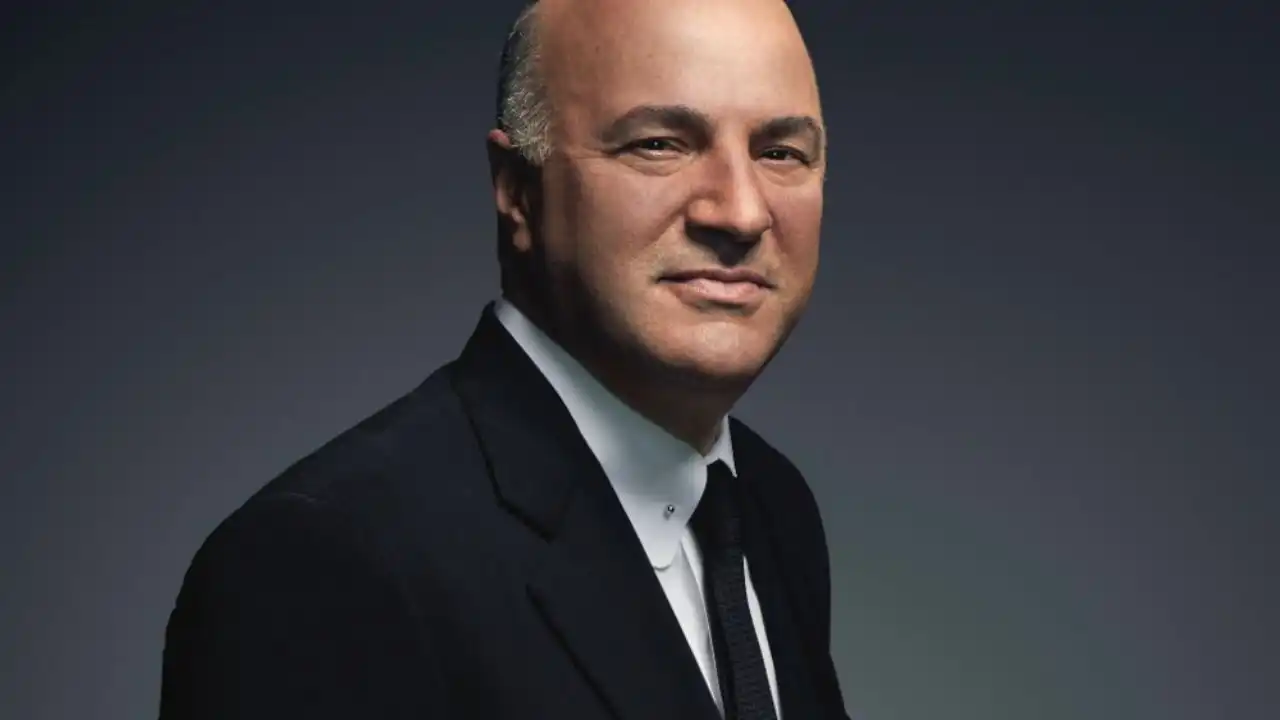
Canadian billionaire investor Kevin O'Leary has cautioned the United States government against adopting heavy regulatory measures on artificial intelligence, warning that such steps could weaken America’s global leadership in AI.
In an interview with Fox News, O’Leary said the US should avoid what he described as Europe’s regulatory mistakes. According to him, strict post-war regulations in Europe pushed innovators and capital toward the United States, strengthening America’s dominance in technology and entrepreneurship.
He argued that overly restrictive policies today could reverse that advantage and benefit rival nations, particularly China.
Concerns over regulation and chip restrictions
O’Leary also criticised US export controls on advanced AI chips. He suggested that limiting global chip sales — even to strategic competitors — could reduce American influence in the long term.
He said the US should focus on attracting global talent and maintaining technological leadership rather than restricting access. In his view, bringing top engineers and researchers to the United States remains critical to staying ahead in the AI race.
Energy infrastructure key to AI growth
Beyond regulation, O’Leary highlighted another major concern — energy infrastructure. He noted that AI data centres require massive amounts of electricity and warned that America’s power grid has not expanded at the same pace as AI demand.
He pointed out that China is rapidly scaling up its power capacity, which could give it a competitive advantage in supporting AI development.
According to O’Leary, future AI leadership will depend not only on innovation and capital but also on reliable and affordable energy supplies.
Global competition intensifies
O’Leary contrasted Europe’s regulatory environment with countries such as the United Arab Emirates, which he described as pro-business and innovation-friendly. He suggested that flexible policy frameworks and infrastructure investment are helping emerging players strengthen their AI position.
He also referenced historical examples, including how the US benefited from attracting foreign scientists after World War II, arguing that talent migration has long shaped technological leadership.
As governments worldwide debate AI oversight, export controls and data policies, O’Leary’s remarks add to the growing conversation about how regulation, infrastructure and global competition could determine the next phase of the AI race.
you may also like

- March 02, 2026
Trump Says Iran Operations May Last 4–5 Weeks

- March 02, 2026
How Switzerland Became the World’s Most Nuclear-Ready Nation

- March 02, 2026
Middle East War Escalates; Oil, Air Travel Hit

- March 02, 2026