


- March 02, 2026
‘No Conspiracy or Criminal Intent’: Court Clears Kejriwal, Sisodia
Rouse Avenue Court discharged Arvind Kejriwal and Manish Sisodia in the Delhi excise policy case, citing lack of evidence and no criminal intent.
- February 27, 2026
- in National
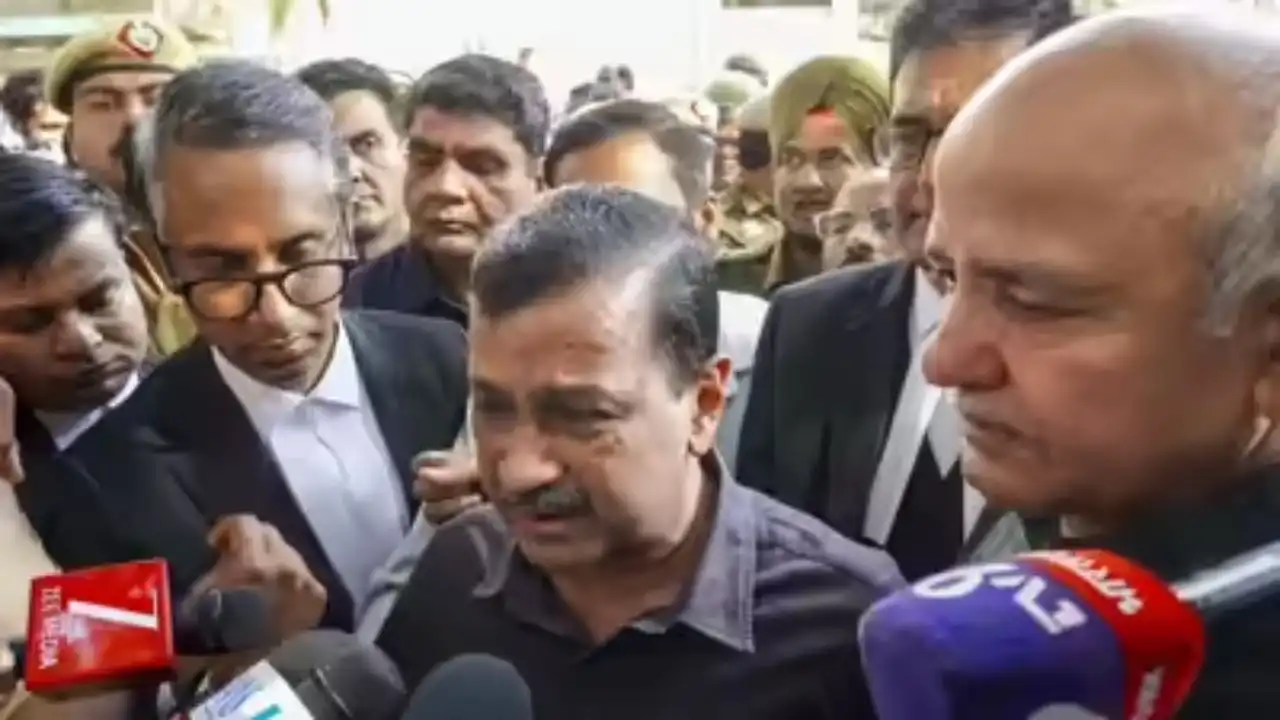
In a significant ruling, the Rouse Avenue Court discharged former Delhi chief minister Arvind Kejriwal, former deputy chief minister Manish Sisodia, and 21 others in the Delhi excise policy case.
The court refused to take cognisance of the chargesheet filed by the Central Bureau of Investigation (CBI), observing that there was no sufficient material to proceed to trial.
Why Did the Court Discharge Them?
The special judge held that there was no “overarching conspiracy” or “criminal intent” established in the case. According to the court:
-
There was no cogent evidence against Kejriwal.
-
No prima facie case was made out against Sisodia or other accused.
-
The conspiracy theory was not supported by concrete material.
The court reportedly said the chargesheet contained internal contradictions and lacked corroboration from reliable evidence or witness testimony.
It further stated that the prosecution’s theory appeared based on conjecture rather than solid proof. Without credible evidence, the case failed to cross the legal threshold required to frame charges.
Observations on Investigation
The court was critical of the investigative approach adopted by the CBI. It raised concerns over reliance on approver statements, noting that granting pardon to an accused and then using that person’s statements to fill gaps in the investigation was not appropriate.
The judge observed that such a method, if allowed, could undermine constitutional safeguards.
The order also mentioned that no material was found against certain accused individuals and indicated that a departmental inquiry could be recommended against officials over aspects of the investigation.
Background of the Case
The case relates to alleged irregularities in the now-scrapped Delhi Excise Policy 2021–22 introduced by the Aam Aadmi Party (AAP) government.
The CBI registered an FIR in August 2022 after a complaint by Delhi Lieutenant Governor V K Saxena. The agency alleged that the policy was framed to benefit select private liquor entities and that kickbacks were paid to influence decisions.
Investigators claimed that Rs 100 crore was allegedly paid by a “south lobby” to influence the policy. In total, 23 individuals were chargesheeted.
The Enforcement Directorate (ED) also investigated the matter under money laundering provisions.
Defence Argument
The defence maintained that there was no incriminating material linking Kejriwal directly to the alleged conspiracy. It argued that the prosecution failed to show criminal intent or direct involvement.
After reviewing the case record, the court concluded that the evidence presented did not justify proceeding to trial.
What Happens Next?
The CBI has indicated it will challenge the discharge order before the Delhi High Court. This means the legal process is not over yet.
For now, however, the trial court’s order marks a major turning point in one of the most high-profile political investigations in recent years.Delhi excise policy case, Arvind Kejriwal discharge, Manish Sisodia court order, Rouse Avenue Court verdict, CBI chargesheet Delhi
you may also like
- March 01, 2026
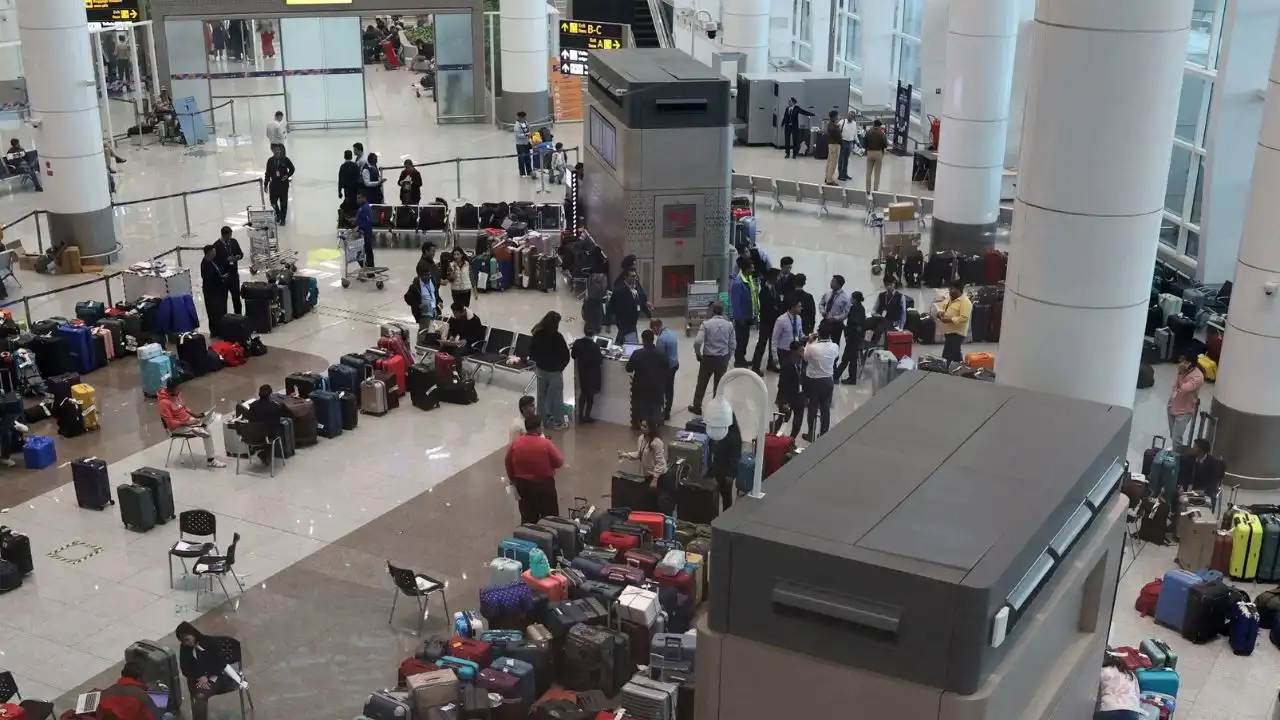
444 Flights Cancelled as West Asia Tensions Hit India

- February 28, 2026
India Closely Monitoring Afghanistan-Pakistan Tensions

- February 27, 2026
Maid Arrested for Alleged Fake ED Raid in Delhi
- February 27, 2026