


- March 07, 2026
RBI Deploys $12 Billion to Stabilise Rupee Amid War
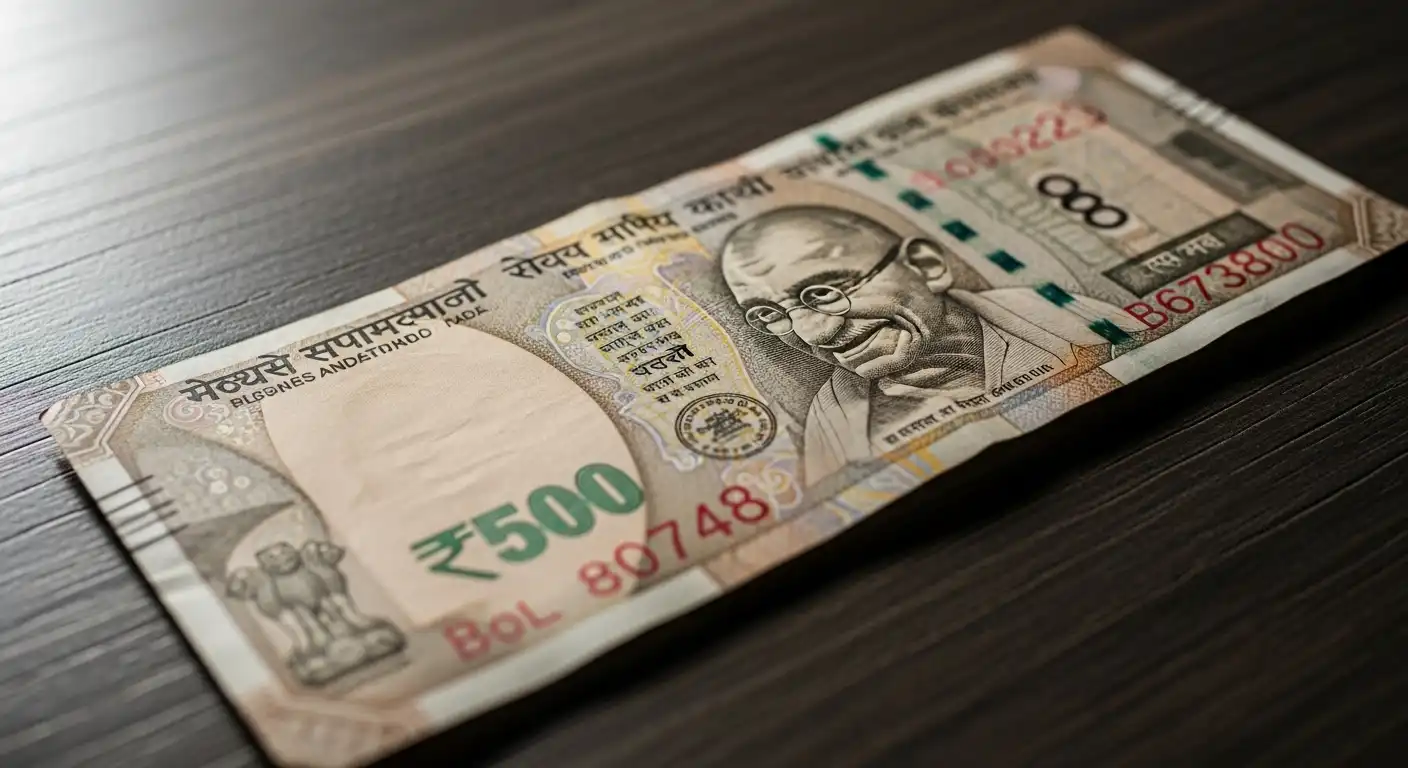
RBI reportedly spent nearly $12 billion to support the Indian rupee as Middle East tensions pushed oil prices higher and triggered market volatility.
- March 06, 2026
- in Business
Advertisement

The Reserve Bank of India (RBI) reportedly deployed close to $12 billion this week to stabilise the Indian Rupee as global markets reacted to the ongoing conflict in West Asia, according to bankers familiar with the matter.
The intervention came as geopolitical tensions triggered volatility in financial markets and pushed the rupee to record lows.
Bankers Estimate Large-Scale Currency Support
Seven bankers cited in market discussions estimated that the central bank may have sold between $9 billion and $15 billion in the foreign exchange market. The median estimate stands at around $12 billion, according to industry sources.
The bankers spoke anonymously as they are not authorised to publicly comment on central bank operations.
The RBI has not officially confirmed the figures and did not respond to requests for comment.
Middle East Conflict Adds Pressure on Rupee
The intervention comes as the conflict in the Gulf region continues to affect global markets.
Rising tensions have pushed oil prices up by about 16% this week, increasing pressure on countries like India that rely heavily on imported crude oil.
Market participants also reported around $2 billion in foreign investor outflows from Indian equities, while importers increased currency hedging to manage near-term payment risks.
Strong Foreign Exchange Reserves Provide Cushion
Despite the pressure on the currency, India’s foreign exchange reserves remain robust.
According to recent data, reserves are above $723 billion, among the highest levels globally. Economists say this provides the central bank with room to intervene in markets when volatility rises.
RBI Uses Multiple Market Channels
Bankers said the central bank’s activity was visible across several segments of the currency market.
These included spot markets, forward contracts, futures trading, and the non-deliverable forward (NDF) market, which is widely used for offshore rupee trading.
Some bankers suggested that the largest share of the intervention occurred in the NDF market.
Pre-Market Dollar Sales Boost Rupee
Sources also indicated that the heaviest intervention occurred on Thursday, when the central bank reportedly sold dollars before the domestic market opened.
Such pre-market actions can have a strong impact on currency movement because liquidity is usually lower during that period.
Following the intervention, the rupee strengthened sharply, moving from around 92.10 per US dollar to about 91.10 within minutes in interbank trading.
Rupee Partially Gives Back Gains
After the initial recovery, the rupee gave back part of its gains.
By Friday afternoon, the currency was trading around 91.68 per US dollar, according to market data.
The RBI has consistently stated that it intervenes in foreign exchange markets to reduce excessive volatility rather than target a specific exchange rate.
Market analysts say the rupee’s movement in the coming weeks will largely depend on developments in global energy prices and the geopolitical situation in the Middle East.
Advertisement
you may also like


- March 07, 2026
Infosys Expands Four-Day Office Rule for Managers

- March 07, 2026
How Lowe’s India Is Using AI to Transform Retail

- March 06, 2026
Sensex, Nifty Fall 3% as Oil Surge Hits Markets

- March 06, 2026