


- March 09, 2026
Amazon Urges FCC to Reject SpaceX Satellite Plan
Amazon has asked the FCC to reject SpaceX’s proposed million-satellite data centre constellation, citing missing technical details and space safety concerns.
- March 08, 2026
- in Business

Advertisement

Amazon has reportedly asked the U.S. Federal Communications Commission (FCC) to reject a proposal by Elon Musk’s SpaceX to deploy a large satellite constellation intended to support space-based data centres.
According to a filing submitted to the regulator, Amazon raised several concerns about the application and urged the FCC to dismiss the proposal in its current form. The company stated that the plan lacks important technical and operational details required under the commission’s rules.
The issue is linked to the growing competition in low-Earth orbit (LEO) satellite networks, where companies such as SpaceX and Amazon are developing systems to deliver internet and other services from space.
Amazon Questions Technical Details
In its filing, Amazon reportedly argued that SpaceX’s proposal does not include key radio frequency (RF) and orbital parameters required for such applications.
The company claimed that the application provides technical information for only a small portion of the proposed system. According to Amazon, details about the full satellite constellation, including orbital distribution, satellite size, and exact operating parameters, were not fully outlined.
Regulators typically require this information to assess possible interference risks and coordination with other satellites operating in similar orbital paths.
Amazon also noted that the proposal suggests satellites could operate across a wide altitude range between 500 km and 2,000 km in low-Earth orbit, which could complicate coordination with other space operators.
Concerns Over Space Safety
Another issue raised in the filing relates to space safety and sustainability.
Amazon reportedly argued that the application does not provide detailed plans explaining how SpaceX would manage collision risks, satellite disposal, or other operational safety measures.
The company said that managing such a large satellite network could require frequent manoeuvres to avoid collisions with other spacecraft. Without detailed planning, Amazon suggested that the project could increase operational challenges for other operators in low-Earth orbit.
The filing also questioned how satellite disposal would be handled once spacecraft reach the end of their operational life. According to the document, clearer explanations are needed regarding the reliability of disposal methods and the potential impact on the broader space environment.
Deployment Timeline Questioned
Amazon’s submission also raised doubts about whether the proposed system could be deployed within a practical timeframe.
The company argued that launching a constellation of up to one million satellites, as mentioned in the application, would require an unprecedented level of global launch capacity.
Based on recent launch statistics, Amazon estimated that deploying such a system could take centuries, even if a large share of global launch resources were used.
The filing also noted that maintaining a constellation of that size would require regular replacement of satellites, which could significantly increase the number of launches needed each year.
Request for FCC Review
Amazon’s letter asks the FCC to fully review the application before moving forward. According to the filing, regulators should ensure that proposals meet technical and safety requirements before granting approval.
The company also suggested that approving incomplete applications could create uncertainty for other satellite operators planning missions in low-Earth orbit.
SpaceX has not publicly responded to the specific concerns raised in Amazon’s filing at the time of reporting.
The development highlights the increasing competition among companies building large satellite networks as the commercial space sector continues to expand.
Advertisement
you may also like

- March 09, 2026
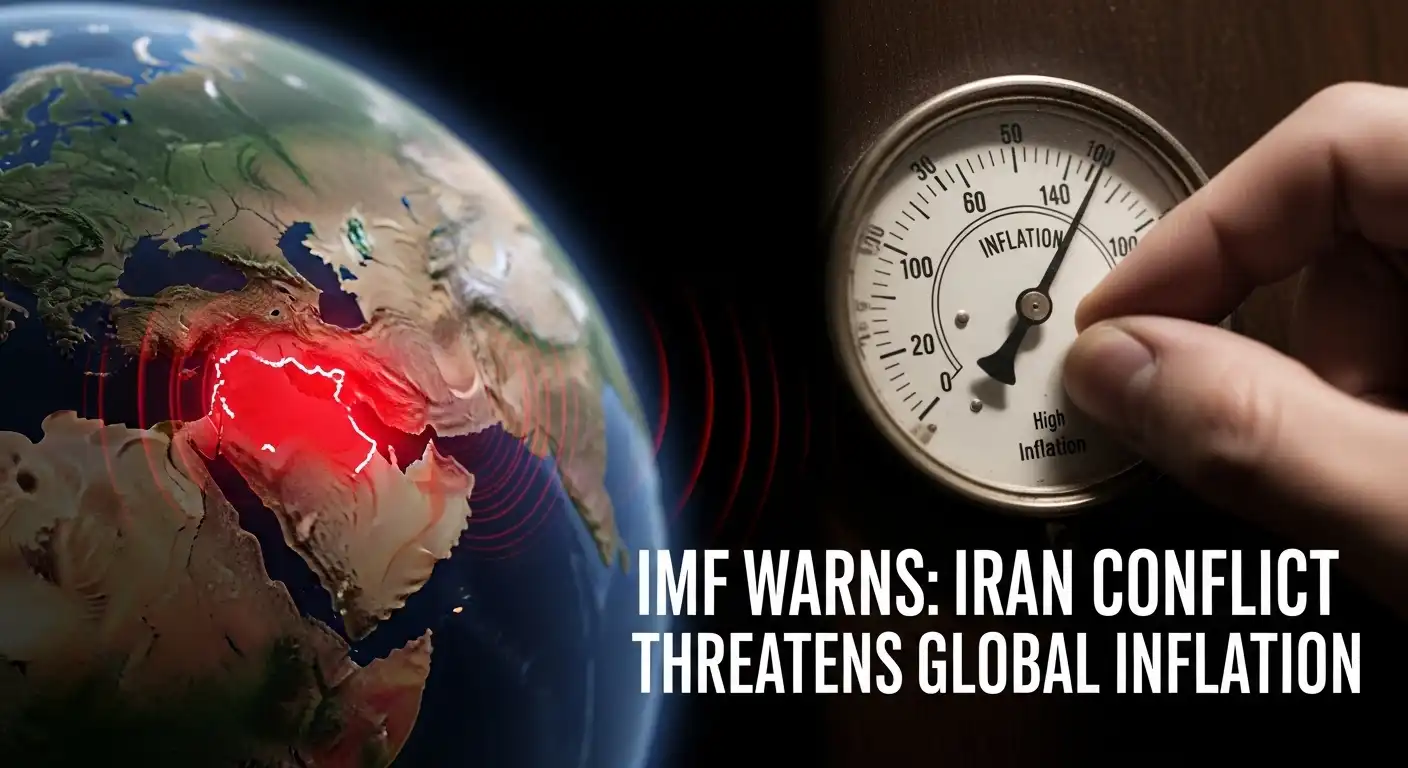
IMF warns Iran conflict could raise global inflation

- March 09, 2026
Iran conflict wipes ₹25 lakh crore from markets

- March 09, 2026
Sensex, Nifty hit 11-month low amid oil price surge

- March 08, 2026